

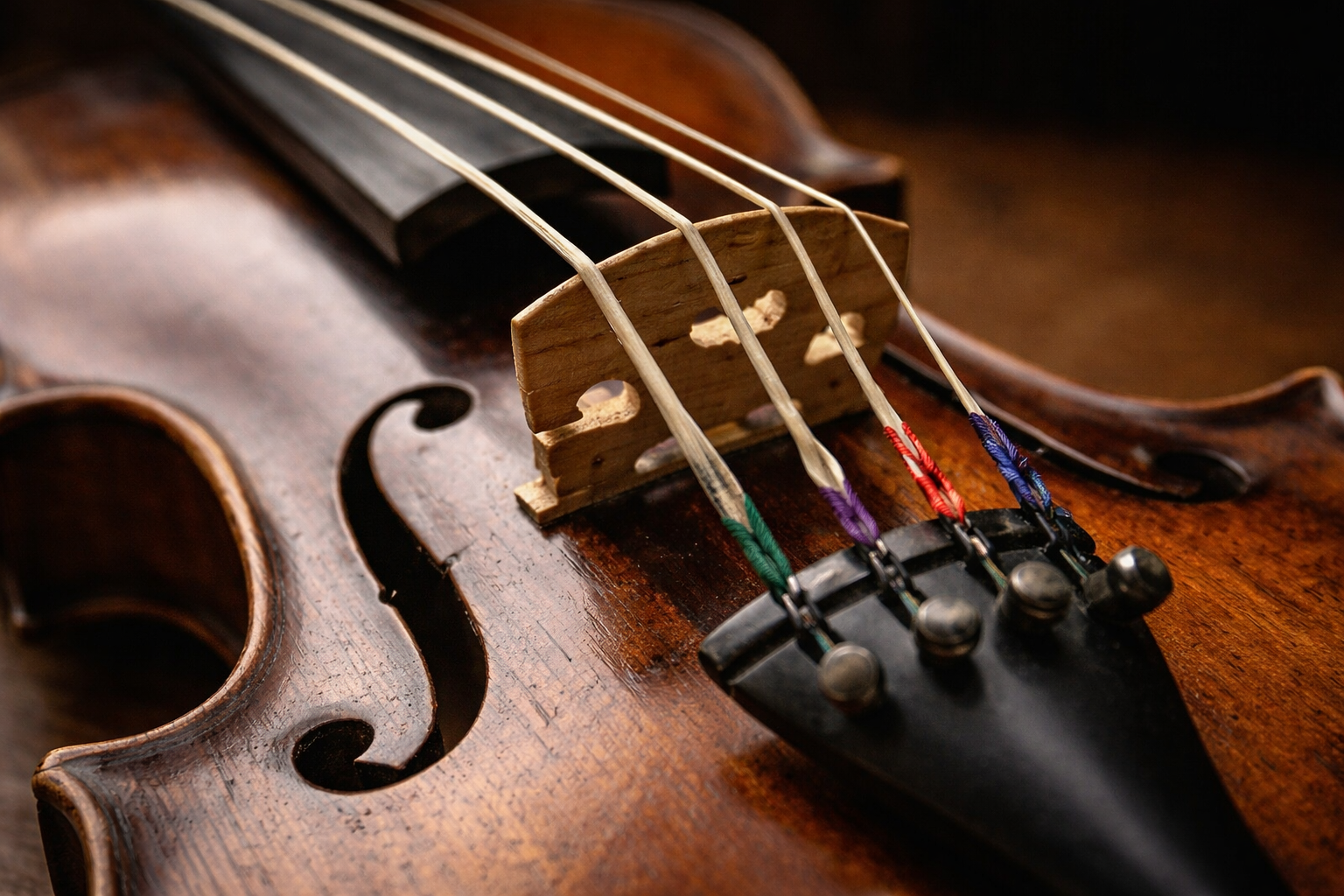
The sound of a violin has captivated audiences for centuries, weaving its voice through orchestras, chamber ensembles, and solo recitals across the world. At the heart of this expressive instrument lies a crucial yet often overlooked component: its strings. Among the various options available to musicians today, catgut violin strings continue to hold a special place. Despite advancements in synthetic and steel alternatives, many performers and instrument makers remain devoted to this traditional material. Their enduring appeal lies not only in history but also in the unique tonal qualities that define their character.
Understanding why these strings remain relevant requires a closer look at their origins, craftsmanship, sound profile, advantages, and practical considerations. By examining these aspects in detail, one can appreciate how they contribute to the violin’s rich legacy and why they still inspire performers seeking authenticity and warmth in their music.
Historical Origins and Craftsmanship
The story of gut strings begins long before the modern violin emerged. Stringed instruments in medieval and Renaissance Europe relied on animal gut for their sound production. When the violin family developed in cities such as Cremona during the sixteenth century, luthiers adopted gut strings as the standard choice. Legendary makers like Antonio Stradivari crafted instruments designed specifically to respond to the tension and elasticity of the gut.
Contrary to what the name suggests, these strings are not made from feline sources. Instead, manufacturers traditionally use sheep intestine, which they clean, twist, and dry under controlled conditions. The process demands precision and experience. Multiple strands are twisted together to achieve the desired thickness and strength, and the finished product is polished to ensure smoothness. In some cases, metal winding is added to lower strings to enhance projection and stability while preserving the organic core.
This artisanal method influences both the sound and feel of the strings. Each set reflects subtle variations, contributing to the individuality prized by many violinists. Unlike fully industrial materials, gut maintains a tactile connection to centuries of musical tradition.
Tonal Characteristics and Expressive Qualities
Warmth and Complexity of Sound
The most celebrated attribute of catgut violin strings is their tonal warmth. Players often describe the sound as rich, complex, and nuanced. The material’s natural elasticity allows for a broad range of overtones, producing a timbre that blends smoothly within ensembles and resonates beautifully in solo passages.
Compared to steel strings, which can project with brilliance and clarity, gut tends to emphasize depth and roundness. The response under the bow feels supple, enabling subtle dynamic shifts and delicate phrasing. This quality proves especially valuable in repertoire from the Baroque and Classical eras, where tonal shading plays a central role.
Sensitivity and Articulation
These strings respond sensitively to variations in bow pressure and speed. Skilled performers can shape phrases with remarkable precision, drawing out expressive slides and nuanced vibrato. Because the material reacts differently from synthetic alternatives, it encourages a refined technique that many musicians find artistically rewarding.
However, this sensitivity also means that environmental conditions can influence performance. Humidity and temperature fluctuations may affect tuning stability. For some players, this characteristic adds an element of challenge; for others, it enhances the organic relationship between instrument and environment.
Use in Historically Informed Performance
In recent decades, historically informed performance has gained widespread recognition. Ensembles dedicated to authenticity often strive to recreate the sound world of earlier centuries. Conductors and musicians performing works by composers such as Johann Sebastian Bach frequently choose gut strings to approximate the tonal palette of the eighteenth century.
By using materials consistent with the period, performers achieve a softer, more transparent texture. The resulting sound differs noticeably from modern orchestras equipped with steel or synthetic strings. It allows intricate counterpoint and delicate ornamentation to emerge with clarity and elegance.
This approach extends beyond large ensembles. Soloists specializing in Baroque repertoire also favor gut strings for their capacity to convey historical style. The choice reflects both aesthetic philosophy and scholarly research into early performance practices.
Advantages and Practical Considerations
Expressive Flexibility
One of the primary advantages of catgut violin strings lies in their expressive flexibility. Their lower tension compared to steel strings permits comfortable fingering and facilitates certain techniques, including subtle vibrato and expressive portamento. Many violinists report that the instrument feels more responsive under the fingers, allowing greater control over tonal color.
Blending in Chamber Music
In chamber settings, where balance and blend are essential, gut strings contribute to a cohesive ensemble sound. Their mellow quality prevents the violin from overpowering other instruments, fostering an intimate musical dialogue.
Maintenance and Longevity
Despite their artistic benefits, these strings require attentive care. They generally wear out faster than synthetic alternatives and may need more frequent replacement. Players must also adjust to longer settling times after installation. Tuning stability improves as the strings acclimate, but patience is necessary during this period.
Regular cleaning and proper storage help extend their lifespan. Musicians who prioritize authenticity often consider the additional maintenance a worthwhile trade-off for the sonic rewards.
Comparison with Modern Alternatives
The twentieth century introduced significant innovations in string manufacturing. Synthetic core strings aim to replicate the warmth of the gut while offering improved stability. Steel strings, on the other hand, provide durability and strong projection, making them popular in contemporary orchestras and amplified settings.
Yet, even with these advances, catgut violin strings retain a distinct identity. Synthetic options approximate certain tonal aspects but often lack the same depth of overtone complexity. Steel strings excel in brightness and volume but can sound comparatively direct or sharp.
The choice ultimately depends on artistic goals. A soloist performing Romantic concerto repertoire in a large concert hall may prefer the power of modern strings. Conversely, a chamber musician exploring early works may gravitate toward the subtler resonance of gut.
Contemporary Relevance and Artistic Choice
Today’s violinists enjoy an unprecedented range of string options. Rather than viewing gut as outdated, many professionals regard it as one voice among many. The decision to use it reflects personal taste, repertoire, and performance context.
In conservatories and specialized workshops, students often experiment with different string types to understand how materials influence sound production. This exploration deepens technical awareness and broadens interpretative possibilities. By experiencing the contrast firsthand, musicians gain insight into how historical developments have shaped modern performance.
Moreover, leading string manufacturers continue refining traditional methods, improving consistency without sacrificing authenticity. These efforts ensure that gut strings remain viable for demanding concert schedules.
Conclusion
The enduring presence of catgut violin strings in today’s musical landscape speaks to their unique expressive power. Rooted in centuries of craftsmanship, they connect modern performers to the origins of the violin while offering a sound that many describe as warm, complex, and profoundly human. Although they demand careful maintenance and adaptation to environmental conditions, their tonal rewards often outweigh these challenges.
In an era defined by technological advancement, the continued appreciation of this traditional material demonstrates that innovation does not always replace heritage. Instead, it expands the range of artistic choices available to musicians. For violinists seeking depth of tone, historical authenticity, and intimate expressiveness, catgut remains more than a relic of the past. It stands as a living testament to the artistry embedded within every carefully drawn bow stroke.
