

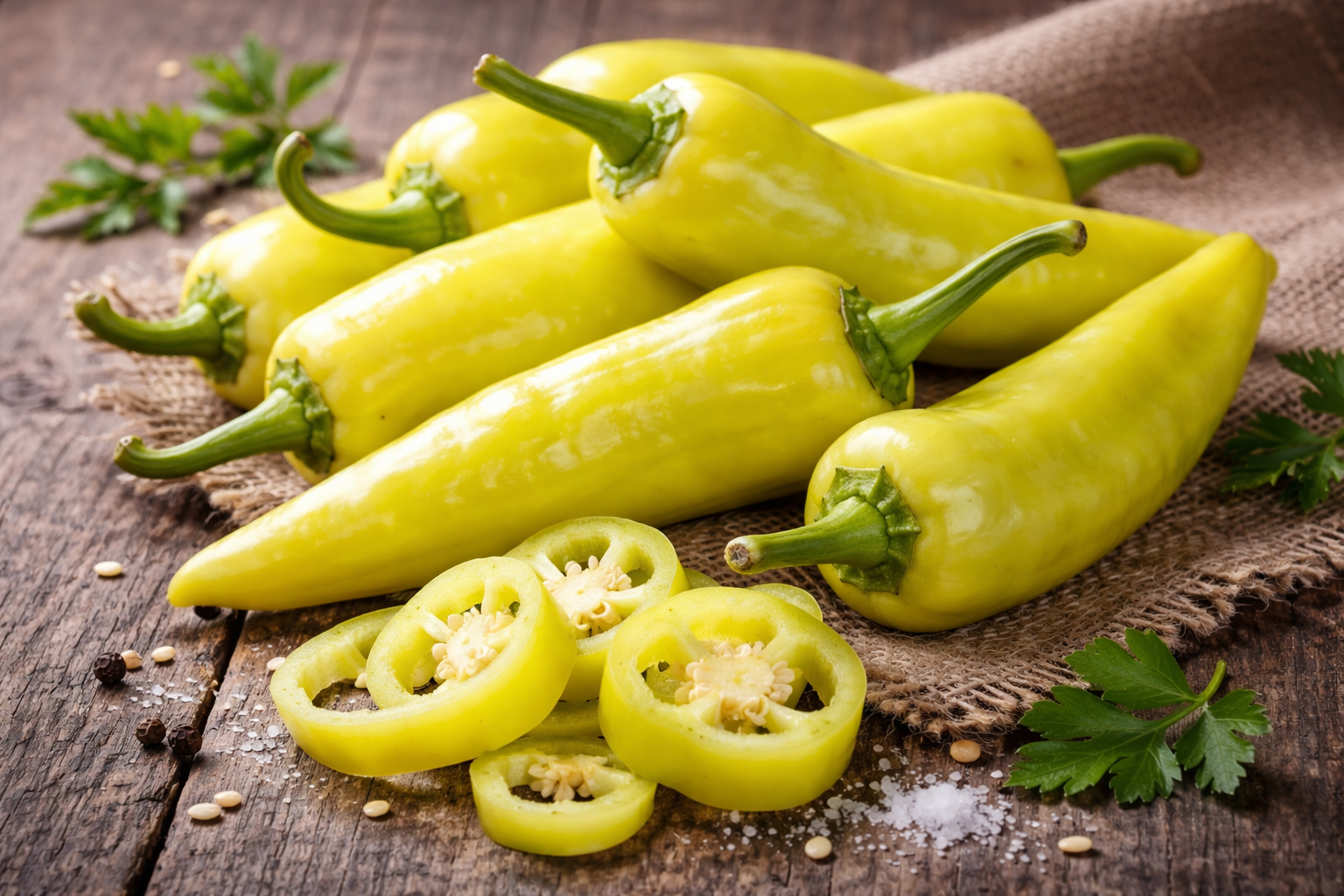
Banana peppers are one of the most recognizable and widely used mild peppers in kitchens around the world. Known for their bright yellow color, curved shape, and gentle flavor, they add both taste and visual appeal to many dishes. Unlike very spicy chili peppers, banana peppers offer a mild heat that makes them enjoyable for a wide range of people. Their crisp texture and slightly tangy taste make them popular in salads, sandwiches, pizzas, and pickled recipes.
Many people first encounter banana peppers in restaurants or on sandwiches, but these peppers have a long history in home cooking and gardening as well. They are easy to grow, simple to preserve, and versatile in everyday meals. Because of their mild flavor, they are often used to add freshness and light heat without overpowering other ingredients.
This article explores the origins, characteristics, nutritional value, and culinary uses of banana peppers. It also discusses how they are grown, preserved, and incorporated into different cuisines. By understanding more about this popular pepper, readers can discover new ways to enjoy it in daily cooking.
What Are Banana Peppers?
Banana peppers are a variety of chili pepper that belong to the species Capsicum annuum. They are named after their resemblance to bananas in both shape and color. Typically, they grow between four and six inches long and have a smooth, glossy skin that turns from pale green to bright yellow as the pepper matures.
These peppers are known for their mild heat level. On the Scoville Heat Scale, which measures the spiciness of peppers, banana peppers usually range from 0 to 500 Scoville Heat Units. This makes them significantly milder than jalapeños or other common chili peppers.
The flavor of banana peppers is slightly sweet with a mild tangy note. When fresh, they have a crisp texture that works well in many dishes. When pickled, they develop a stronger tangy flavor that pairs well with sandwiches and grilled foods.
There are two main types commonly found in markets: sweet banana peppers and hot banana peppers. The sweet variety has almost no heat and is often used in salads and cooking. The hot variety contains slightly more spice but still remains relatively mild compared to most chili peppers.
History and Origin
The exact origin of banana peppers is not always widely discussed, but they are believed to have developed from chili pepper varieties native to Central and South America. Like many members of the Capsicum family, these peppers spread across the world after the global exchange of crops that followed early exploration.
Over time, farmers cultivated different pepper varieties to create milder flavors and more adaptable plants. Banana peppers became popular in North America and Europe because they were easy to grow and suitable for pickling.
Their popularity increased in the twentieth century when pickled banana peppers began appearing as toppings in sandwiches, burgers, and pizzas. Today they are commonly used in both commercial food production and home cooking.
Nutritional Value of Banana Peppers
Banana peppers are not only flavorful but also nutritious. They contain several vitamins and minerals that support overall health. Because they are low in calories and high in water content, they can be included in many balanced diets.
One of the most notable nutrients found in banana peppers is vitamin C. This vitamin plays an important role in supporting the immune system and protecting the body from oxidative stress. Eating foods rich in vitamin C can help maintain healthy skin and support the body’s natural defenses.
Banana peppers also contain vitamin B6, which contributes to brain health and helps the body process proteins and carbohydrates. In addition, they provide small amounts of vitamin A, potassium, and dietary fiber.
Because they are naturally low in fat and calories, banana peppers are often used in meals designed to support healthy eating habits. Their flavor can enhance dishes without adding excessive calories or sodium when used fresh.
Culinary Uses of Banana Peppers
One of the reasons banana peppers remain popular is their versatility in cooking. They can be used fresh, cooked, grilled, or pickled depending on the desired flavor and texture.
Fresh banana peppers are commonly sliced and added to salads. Their crisp texture and mild taste add brightness to vegetable mixes without overwhelming other ingredients. They also work well in wraps, sandwiches, and grain bowls.
Pickled banana peppers are perhaps the most widely recognized form. Pickling enhances their tangy flavor and extends their shelf life. These peppers are often used as toppings for sandwiches, hot dogs, burgers, and pizzas. Their acidic taste helps balance rich or fatty foods.
In cooked dishes, banana peppers can be sautéed with onions, garlic, and other vegetables. They are also used in stir-fries, pasta dishes, and casseroles. Because their heat level is mild, they blend well with many ingredients without making the dish too spicy.
Some cooks also enjoy stuffing banana peppers with cheese, meat, or grains before baking them. This method creates a flavorful dish that highlights the pepper’s natural sweetness.
Growing Banana Peppers at Home
Banana peppers are considered relatively easy to grow, which makes them popular among home gardeners. They thrive in warm climates and require plenty of sunlight to produce healthy fruits.
Most gardeners start banana pepper plants from seeds indoors several weeks before the last frost of the season. Once the weather becomes consistently warm, the seedlings can be transplanted into outdoor gardens or containers.
The plants grow best in well-drained soil that is rich in organic matter. Regular watering helps maintain healthy growth, but it is important to avoid overwatering because excessive moisture can damage the roots.
Banana pepper plants usually begin producing fruit within two to three months after planting. Harvesting can start when the peppers reach their full size and bright yellow color. Some gardeners also harvest them earlier when they are still green.
Because the plants continue producing throughout the growing season, gardeners can often harvest multiple batches of peppers from a single plant.
Pickling and Preserving Banana Peppers
Pickling is one of the most common ways to preserve banana peppers. This process involves placing sliced peppers in a mixture of vinegar, water, salt, and sometimes sugar or spices.
The acidity of the vinegar prevents spoilage and gives the peppers their distinctive tangy taste. Many home cooks also add garlic, mustard seeds, or herbs to enhance the flavor.
Once sealed in jars, pickled banana peppers can last for several months when stored properly. This makes them a convenient ingredient to keep on hand for sandwiches, salads, and other quick meals.
Freezing is another preservation method, although it may slightly soften the texture of the peppers after thawing. Frozen peppers are often used in cooked dishes rather than fresh preparations.
Drying banana peppers is less common but still possible. Dried peppers can be ground into mild chili flakes or powders that add flavor to sauces and seasonings.
Banana Peppers in Global Cuisine
Although banana peppers are especially common in North American foods, they appear in various international cuisines as well. Their mild flavor allows them to adapt easily to different cooking styles.
In Mediterranean-style cooking, they may be used in vegetable dishes, antipasto platters, and salads. Their bright color adds visual appeal alongside olives, cheeses, and roasted vegetables.
In American cuisine, banana peppers are often associated with deli sandwiches and pizza toppings. Their pickled form has become a standard ingredient in many sandwich shops and fast-casual restaurants.
Some Latin American recipes also incorporate similar mild peppers in stews and sauces. While not always identical, these peppers share similar characteristics and culinary roles.
The adaptability of banana peppers allows them to be used creatively in both traditional and modern recipes.
Conclusion
Banana peppers are a versatile and flavorful ingredient that continues to play an important role in everyday cooking. Their mild heat, crisp texture, and slightly tangy taste make them suitable for a wide range of dishes. Whether used fresh in salads, cooked in warm meals, or preserved through pickling, they offer both flavor and visual appeal.
Beyond their culinary value, banana peppers also provide several nutritional benefits, including vitamin C and other essential nutrients. Their low calorie content and refreshing taste make them an excellent addition to balanced diets.
For gardeners, these peppers are easy to grow and produce generously throughout the growing season. Their adaptability in the kitchen and the garden helps explain why they remain so widely appreciated.
In the end, banana peppers demonstrate how a simple ingredient can offer both practicality and flavor. With their bright color and gentle heat, they continue to bring freshness and variety to meals around the world.
