

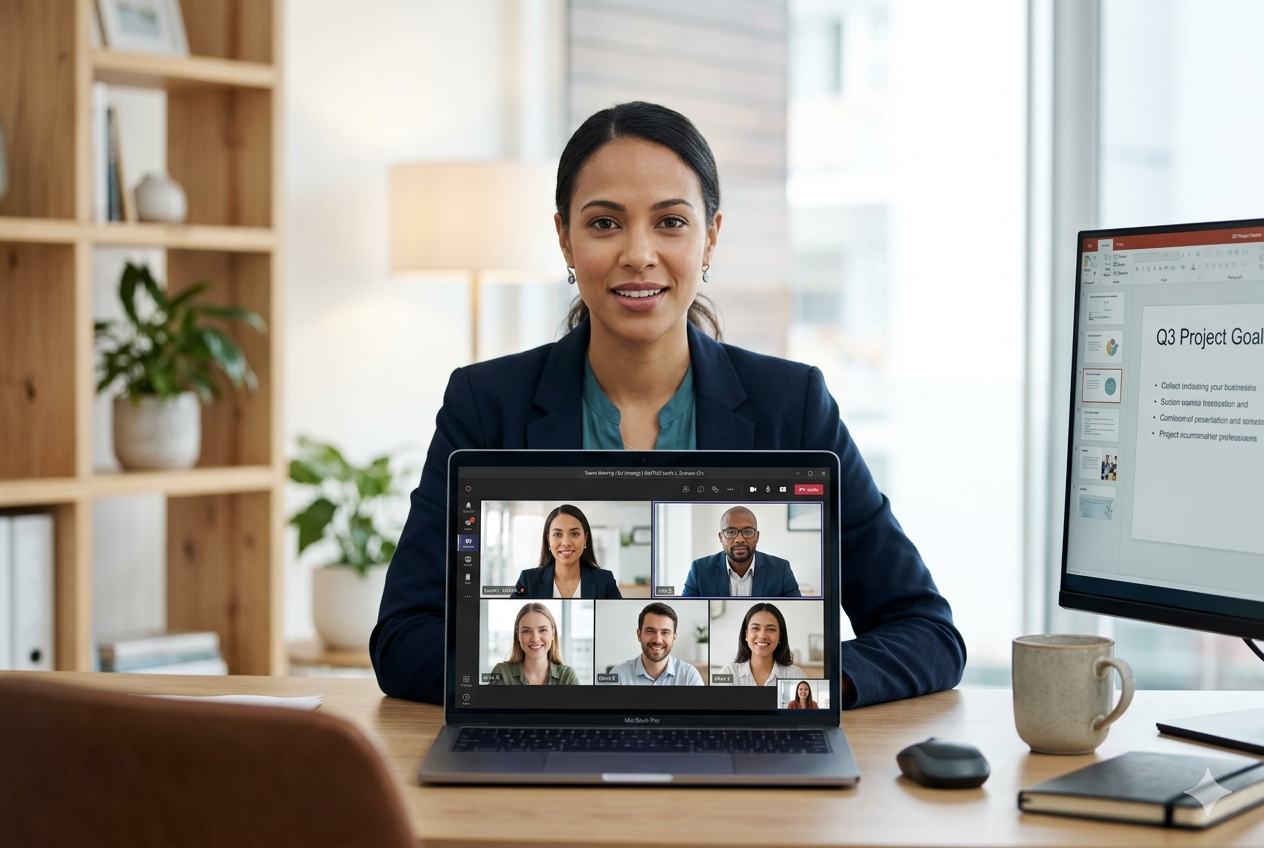
The modern workplace has undergone a significant transformation, with remote work and digital collaboration becoming standard practices across industries. As a result, virtual meetings have replaced many traditional face-to-face interactions. While technology has made communication more convenient, it has also introduced new challenges that require careful attention. Understanding virtual meeting etiquette is essential for maintaining professionalism, ensuring effective communication, and fostering productive collaboration.
Many individuals underestimate the importance of proper conduct during online meetings. However, small details such as punctuality, appearance, and communication style can significantly influence how others perceive you. This article explores the principles of effective virtual meeting behavior and provides practical guidance to help you navigate online interactions with confidence.
The Importance of Virtual Meeting Etiquette
Enhancing Professional Image
Your behavior in a virtual meeting reflects your professionalism. Colleagues and clients often form impressions based on how you present yourself, communicate, and engage during discussions. Practicing strong virtual meeting etiquette helps build credibility and trust.
Improving Communication Efficiency
Clear and respectful communication is essential in any meeting. In a virtual setting, where nonverbal cues may be limited, following proper etiquette ensures that messages are understood accurately and discussions remain focused.
Encouraging Participation
A well-managed virtual meeting creates an inclusive environment where all participants feel comfortable contributing. Good etiquette promotes collaboration and reduces misunderstandings.
Preparing for a Virtual Meeting
Test Your Technology
Before joining a meeting, ensure that your internet connection, microphone, and camera are functioning properly. Technical issues can disrupt the flow of discussion and create unnecessary delays.
Choose an Appropriate Environment
Select a quiet and well-lit space for your meeting. Background noise and poor lighting can distract participants and reduce the overall quality of communication.
Dress Professionally
Even though you are not physically present, your appearance still matters. Dressing appropriately demonstrates respect for the meeting and its participants.
Joining the Meeting
Be Punctual
Timeliness is a fundamental aspect of virtual meeting etiquette. Joining a meeting on time shows respect for others’ schedules and helps maintain productivity.
Use Your Real Name
Displaying your full name allows participants to identify you easily. This is especially important in large meetings where not everyone may know each other.
Mute Your Microphone When Not Speaking
Background noise can be disruptive. Keeping your microphone muted when you are not speaking helps maintain clarity and minimizes distractions.
Effective Communication During Virtual Meetings
Speak Clearly and Concisely
In a virtual setting, clarity is crucial. Speak at a moderate pace and avoid unnecessary repetition. This ensures that your message is easily understood.
Avoid Interruptions
Interrupting others can disrupt the flow of conversation and create confusion. Wait for your turn to speak and use features such as “raise hand” if available.
Maintain Eye Contact
Looking at the camera while speaking creates a sense of connection and engagement. It helps simulate face-to-face interaction and enhances communication.
Nonverbal Communication in Virtual Settings
Body Language
Even on camera, body language plays an important role. Sitting upright and maintaining a composed posture conveys attentiveness and professionalism.
Facial Expressions
Appropriate facial expressions help communicate interest and understanding. Smiling occasionally can create a positive atmosphere.
Minimize Distractions
Avoid multitasking or engaging in unrelated activities during the meeting. Staying focused demonstrates respect and ensures active participation.
Managing Group Dynamics
Respect Different Opinions
Virtual meetings often involve diverse perspectives. Listening carefully and responding respectfully fosters a collaborative environment.
Encourage Participation
If you are leading the meeting, ensure that all participants have an opportunity to contribute. This promotes inclusivity and enhances decision-making.
Stay on Topic
Keeping discussions focused on the agenda helps maintain efficiency and prevents meetings from becoming unnecessarily long.
Common Mistakes to Avoid
Joining Unprepared
Failing to review the agenda or relevant materials can hinder your ability to contribute effectively. Preparation is a key component of strong virtual meeting etiquette.
Overusing Chat Features
While chat functions can be useful, excessive messaging can distract participants. Use them only when necessary.
Ignoring Technical Issues
If you encounter technical problems, address them promptly or inform the group. Ignoring such issues can disrupt communication.
Virtual Meeting Etiquette for Hosts
Set a Clear Agenda
Providing an agenda in advance helps participants understand the purpose of the meeting and prepare accordingly.
Manage Time Effectively
Start and end the meeting on time. Allocating specific time slots for each topic ensures that all points are covered efficiently.
Facilitate Smooth Communication
As a host, your role includes guiding the discussion, managing interruptions, and ensuring that everyone has a chance to speak.
Cultural Sensitivity in Virtual Meetings
Respect Time Zones
When scheduling meetings, consider the time zones of all participants. This demonstrates consideration and professionalism.
Be Mindful of Communication Styles
Different cultures may have varying communication norms. Being aware of these differences helps prevent misunderstandings.
The Role of Technology in Virtual Meetings
Use Reliable Platforms
Choosing a stable and user-friendly platform enhances the overall meeting experience. Familiarize yourself with its features to avoid disruptions.
Leverage Collaboration Tools
Screen sharing, file sharing, and interactive features can improve engagement and make discussions more effective.
Benefits of Practicing Good Virtual Meeting Etiquette
Increased Productivity
Well-structured meetings save time and ensure that objectives are achieved efficiently.
Stronger Professional Relationships
Respectful and effective communication builds trust and strengthens connections among team members.
Enhanced Confidence
Knowing how to conduct yourself in virtual settings boosts confidence and reduces anxiety.
Conclusion
In today’s digital work environment, mastering virtual meeting etiquette is no longer optional—it is essential. From preparation and communication to professionalism and cultural awareness, every aspect of your behavior contributes to the success of a virtual meeting.
By adopting best practices and avoiding common mistakes, you can create a positive and productive online experience for yourself and others. As virtual communication continues to play a central role in professional life, developing these skills will not only enhance your effectiveness but also strengthen your overall professional presence.
Ultimately, strong etiquette ensures that virtual meetings remain meaningful, efficient, and respectful, allowing teams to collaborate successfully regardless of physical distance.
