

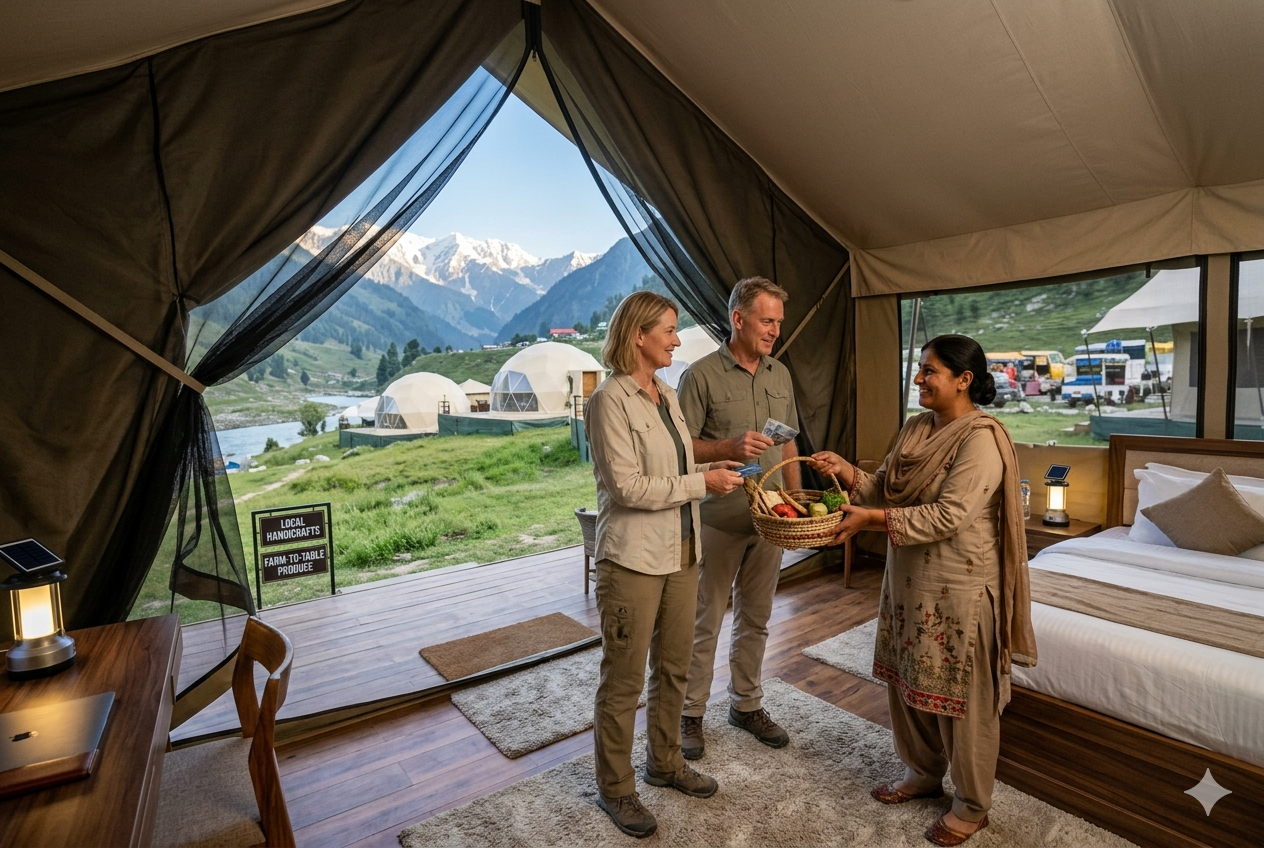
The travel industry has undergone a remarkable transformation in recent years, with evolving consumer preferences shaping new forms of tourism. Among these emerging trends, the glamping economy has gained significant attention for blending the experience of nature with the comforts of luxury living. Unlike traditional camping, which often requires sacrificing convenience, glamping—short for “glamorous camping”—offers travelers a unique opportunity to connect with nature without compromising on comfort.
From eco-friendly domes and treehouses to luxury tents equipped with modern amenities, glamping has redefined outdoor hospitality. This shift reflects a broader demand for experiential travel, where comfort, sustainability, and authenticity intersect. As a result, the glamping economy has become a rapidly growing segment within the global tourism industry.
Understanding the Glamping Economy
What Is Glamping?
Glamping refers to a style of accommodation that combines the natural setting of camping with high-end facilities such as comfortable beds, private bathrooms, electricity, and even climate control. This approach appeals to travelers who seek outdoor experiences but prefer to avoid the challenges associated with traditional camping.
Defining the Glamping Economy
The glamping economy encompasses all economic activities related to luxury camping experiences. This includes accommodation providers, equipment manufacturers, travel platforms, and local communities benefiting from tourism. It also involves investments in infrastructure, marketing, and sustainability initiatives.
Key Drivers of Growth
Changing Consumer Preferences
Modern travelers increasingly prioritize experiences over material possessions. The desire to disconnect from urban life while maintaining comfort has fueled interest in glamping. This shift has significantly contributed to the expansion of the glamping economy.
Rise of Eco-Tourism
Environmental awareness has become a major factor in travel decisions. Many glamping sites emphasize sustainability by using renewable energy, minimizing waste, and preserving natural surroundings. This alignment with eco-friendly values attracts a growing segment of conscious travelers.
Influence of Social Media
Visually appealing accommodations such as glass cabins, safari tents, and floating lodges have gained popularity on social media platforms. These unique settings encourage sharing, which in turn drives demand and visibility for glamping destinations.
Types of Glamping Accommodations
Luxury Tents
Luxury tents are among the most common forms of glamping. They often feature spacious interiors, stylish décor, and essential amenities that create a comfortable living environment.
Treehouses
Treehouse accommodations offer an elevated experience, both literally and figuratively. They provide scenic views and a sense of adventure while maintaining modern comforts.
Geodesic Domes
Geodesic domes are known for their distinctive design and panoramic views. Many are equipped with transparent sections, allowing guests to enjoy stargazing from inside.
Cabins and Pods
Compact cabins and pods provide a minimalist yet comfortable option. These structures are often designed to blend seamlessly with the surrounding environment.
Economic Impact of the Glamping Industry
Boosting Local Economies
The glamping economy contributes to local development by creating jobs and supporting small businesses. Local suppliers, guides, and service providers benefit from increased tourist activity.
Encouraging Sustainable Investment
Investors are increasingly attracted to glamping projects due to their relatively low environmental impact and high return potential. Sustainable design and eco-friendly practices further enhance their appeal.
Diversifying Tourism Offerings
Glamping adds variety to traditional tourism models, attracting a broader audience. It appeals to families, couples, and solo travelers seeking unique experiences.
Challenges Facing the Glamping Economy
Regulatory Issues
In some regions, unclear regulations regarding land use and construction can create challenges for glamping operators. Compliance with environmental and zoning laws is essential for sustainable growth.
Seasonal Demand
Many glamping destinations experience fluctuations in demand based on weather conditions. Operators must develop strategies to attract visitors year-round.
Maintaining Sustainability
As the industry grows, maintaining eco-friendly practices becomes more complex. Overdevelopment can threaten the natural environments that attract visitors in the first place.
The Role of Technology in Glamping
Online Booking Platforms
Digital platforms have made it easier for travelers to discover and book glamping experiences. User reviews and detailed listings enhance transparency and trust.
Smart Amenities
Some glamping sites incorporate smart technology, such as automated lighting and climate control, to enhance guest comfort while maintaining efficiency.
Marketing and Branding
Effective use of digital marketing helps operators reach global audiences. High-quality visuals and storytelling play a crucial role in promoting unique accommodations.
Future Trends in the Glamping Economy
Expansion into New Markets
The glamping economy is expanding beyond traditional tourist destinations into emerging markets. This growth reflects increasing global interest in alternative travel experiences.
Focus on Wellness Tourism
Many glamping sites now offer wellness-focused activities such as yoga, meditation, and spa treatments. This integration enhances the overall guest experience.
Customization and Personalization
Travelers increasingly seek personalized experiences. Glamping providers are responding by offering tailored packages and unique activities.
Why Travelers Choose Glamping
Comfort and Convenience
Glamping eliminates many of the inconveniences associated with traditional camping, making it accessible to a wider audience.
Connection with Nature
Despite its luxurious elements, glamping allows guests to immerse themselves in natural surroundings, providing a sense of relaxation and escape.
Unique Experiences
Each glamping site offers a distinct experience, from desert landscapes to forest retreats. This uniqueness adds to its appeal.
Conclusion
The glamping economy represents a dynamic and rapidly evolving segment of the travel industry. By combining luxury with nature, it addresses the changing preferences of modern travelers who seek comfort, sustainability, and memorable experiences.
As the industry continues to grow, it presents significant opportunities for economic development, innovation, and environmental stewardship. However, careful planning and responsible practices are essential to ensure long-term sustainability.
Ultimately, the rise of glamping reflects a broader shift in how people approach travel. It is no longer just about reaching a destination but about experiencing it in a meaningful and enriching way.
