

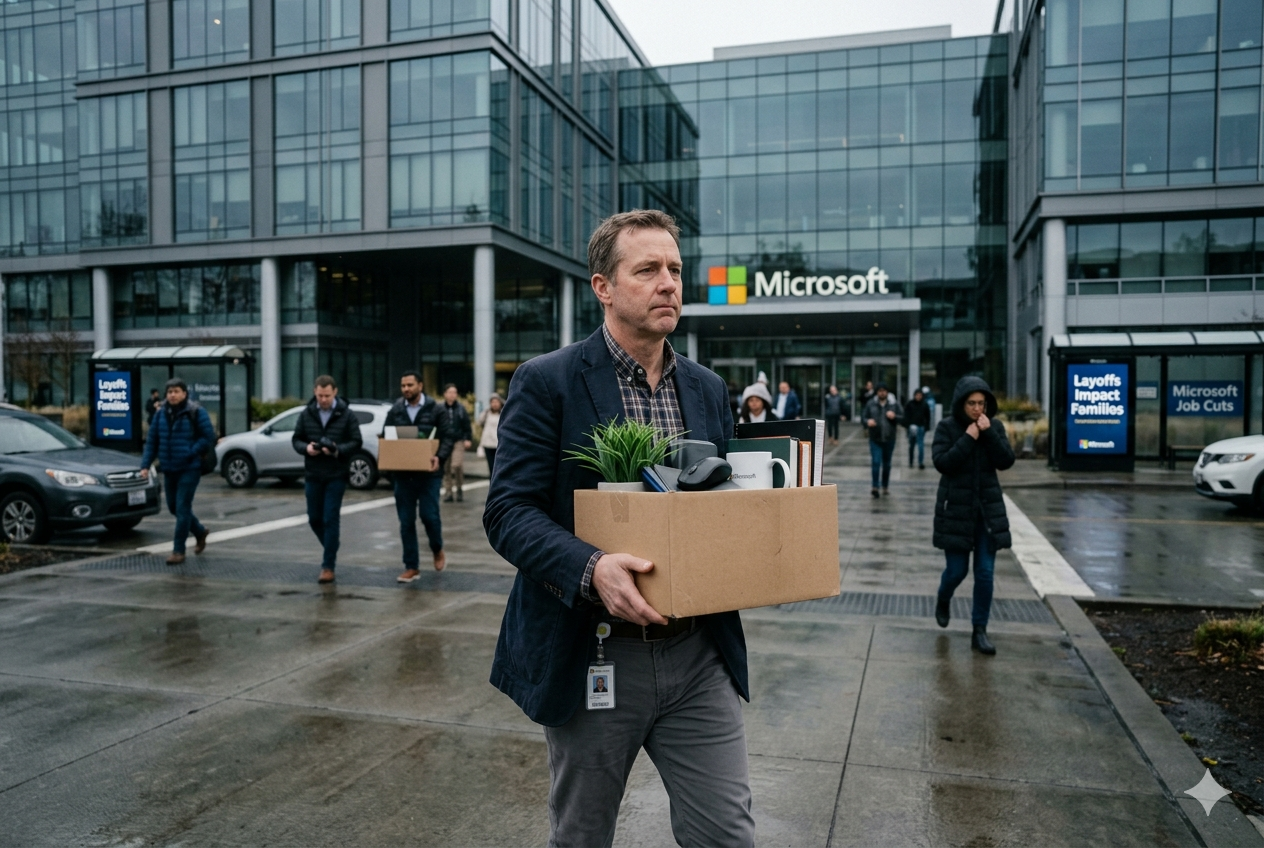
In recent years, the topic of microsoft layoffs has drawn significant attention from industry analysts, employees, and investors alike. As one of the world’s leading technology companies, Microsoft’s workforce decisions often signal broader trends within the global tech sector. Layoffs at such a prominent organization are rarely isolated events; instead, they reflect shifting priorities, economic pressures, and evolving technological landscapes. This article explores the underlying causes of Microsoft layoffs, their impact on employees and the market, and what they may indicate for the future of the technology industry.
The Context Behind Microsoft Layoffs
Economic Pressures and Market Adjustments
The global economy plays a critical role in shaping corporate decisions. Periods of inflation, reduced consumer spending, or economic uncertainty often lead companies to reassess their operational costs. Microsoft, despite its scale and profitability, is not immune to these pressures. Workforce reductions may occur as part of broader cost optimization strategies designed to maintain financial stability and investor confidence.
Post-Pandemic Workforce Realignment
During the COVID-19 pandemic, many technology companies expanded rapidly to meet increased demand for digital services. As the world gradually transitioned back to normalcy, growth rates stabilized. This shift prompted companies like Microsoft to reevaluate staffing levels. In many cases, layoffs became a mechanism to correct over-hiring that occurred during periods of heightened demand.
Strategic Shifts Toward Emerging Technologies
Another significant driver behind microsoft layoffs is the company’s strategic pivot toward emerging technologies such as artificial intelligence, cloud computing, and cybersecurity. As Microsoft invests heavily in these areas, it may simultaneously reduce roles that are less aligned with its long-term vision. This reallocation of resources ensures competitiveness but can result in workforce displacement.
Key Areas Affected by Layoffs
Engineering and Product Teams
While it may seem counterintuitive, even technical roles are sometimes affected during restructuring. Microsoft often reorganizes teams to better align with evolving product strategies. As a result, certain engineering roles may be consolidated or eliminated, particularly if projects are discontinued or merged.
Sales and Marketing Divisions
Sales and marketing teams are also subject to restructuring, especially when the company shifts its go-to-market strategies. Automation tools and digital sales channels have reduced the need for large traditional sales teams, contributing to workforce reductions in these areas.
Support and Administrative Functions
Operational efficiency initiatives frequently target support and administrative roles. Advances in automation and internal tools allow companies to streamline these functions, reducing the need for extensive staffing in non-core areas.
The Human Impact of Microsoft Layoffs
Employee Uncertainty and Career Disruption
Layoffs inevitably create uncertainty among employees, both those directly affected and those who remain. Job loss can disrupt career trajectories, financial stability, and personal well-being. Even employees who retain their positions may experience reduced morale and increased anxiety about future job security.
Severance and Support Programs
Microsoft has historically provided severance packages, career transition assistance, and other support measures to affected employees. These programs aim to ease the transition and reflect a level of corporate responsibility. However, the effectiveness of such support varies depending on individual circumstances and broader job market conditions.
Impact on Workplace Culture
Frequent layoffs can influence workplace culture by fostering caution and reducing risk-taking. Employees may become more focused on job security than innovation, potentially affecting productivity and creativity over time.
Market and Industry Implications
Signals to Investors
Microsoft layoffs often serve as signals to investors regarding the company’s strategic direction. Workforce reductions may be interpreted as a proactive step toward improving efficiency and profitability. In some cases, such announcements can positively influence stock performance, even as they raise concerns about long-term growth.
Influence on the Tech Industry
As a market leader, Microsoft’s actions frequently set precedents for other technology companies. Layoffs within the organization may trigger similar decisions across the industry, particularly among firms facing comparable challenges. This ripple effect underscores the interconnected nature of the tech ecosystem.
Talent Redistribution
One notable outcome of microsoft layoffs is the redistribution of talent across the industry. Skilled professionals often find opportunities in startups, smaller firms, or emerging sectors. This movement can foster innovation and contribute to the growth of new technologies and business models.
The Role of Artificial Intelligence and Automation
Driving Efficiency
Artificial intelligence and automation have become central to Microsoft’s operations. These technologies enhance efficiency by automating repetitive tasks, improving data analysis, and streamlining workflows. While they create new opportunities, they also reduce the need for certain roles, contributing to workforce reductions.
Creating New Job Categories
Despite concerns about job displacement, technological advancements also generate new roles. Positions related to AI development, data science, and cloud infrastructure are in high demand. Microsoft’s investment in these areas highlights the shifting nature of employment within the tech sector.
Strategies for Employees Navigating Layoffs
Upskilling and Continuous Learning
In a rapidly evolving industry, continuous learning is essential. Employees can improve their resilience by acquiring new skills, particularly in high-demand areas such as artificial intelligence, cybersecurity, and cloud computing. Online courses, certifications, and professional development programs offer valuable pathways for career growth.
Networking and Professional Connections
Building and maintaining professional networks can significantly enhance job prospects. Networking enables individuals to access new opportunities, gain industry insights, and receive support during career transitions. Platforms and industry events play a crucial role in fostering these connections.
Exploring Alternative Career Paths
Layoffs can also present opportunities to explore alternative career paths. Some professionals choose to join startups, pursue freelance work, or even launch their own ventures. While such transitions involve risk, they can also lead to rewarding and innovative career experiences.
Microsoft’s Long-Term Vision
Investment in Cloud Computing
Cloud computing remains a cornerstone of Microsoft’s strategy. The company continues to expand its cloud services, focusing on scalability, security, and integration. This emphasis drives demand for specialized talent while influencing workforce composition.
Leadership in Artificial Intelligence
Microsoft’s commitment to artificial intelligence is evident in its ongoing investments and partnerships. By integrating AI across its products and services, the company aims to maintain its competitive edge. This strategic focus shapes hiring priorities and contributes to workforce restructuring.
Sustainability and Social Responsibility
In addition to technological advancements, Microsoft emphasizes sustainability and social responsibility. The company’s initiatives in environmental sustainability and ethical AI development reflect a broader commitment to long-term impact. These priorities also influence organizational structure and resource allocation.
Future Outlook of Microsoft Layoffs
Cyclical Nature of Workforce Changes
Layoffs are not unique to Microsoft; they are a common feature of the technology industry. Workforce adjustments often occur in cycles, reflecting changes in economic conditions, technological advancements, and market demand. Understanding this cyclical nature can provide context for interpreting such events.
Potential for Stabilization
As the global economy stabilizes and technology adoption continues, the frequency of layoffs may decrease. However, ongoing innovation will likely necessitate periodic restructuring. Companies must balance growth with efficiency, leading to continued adjustments in workforce composition.
Emphasis on Adaptability
The future of work within Microsoft and the broader tech industry will depend heavily on adaptability. Both organizations and employees must remain flexible in the face of change. This adaptability will be critical for navigating uncertainties and capitalizing on emerging opportunities.
Conclusion
The issue of microsoft layoffs reflects a complex interplay of economic conditions, strategic priorities, and technological evolution. While layoffs can be challenging for employees and communities, they also highlight the dynamic nature of the technology sector. Microsoft’s decisions often serve as indicators of broader industry trends, influencing how companies allocate resources and pursue innovation.
Understanding the causes and implications of these workforce changes provides valuable insights into the future of work. As Microsoft continues to invest in emerging technologies and redefine its strategic direction, its approach to workforce management will remain a key area of interest. For employees and industry observers alike, adaptability, continuous learning, and strategic awareness will be essential in navigating this evolving landscape.
