

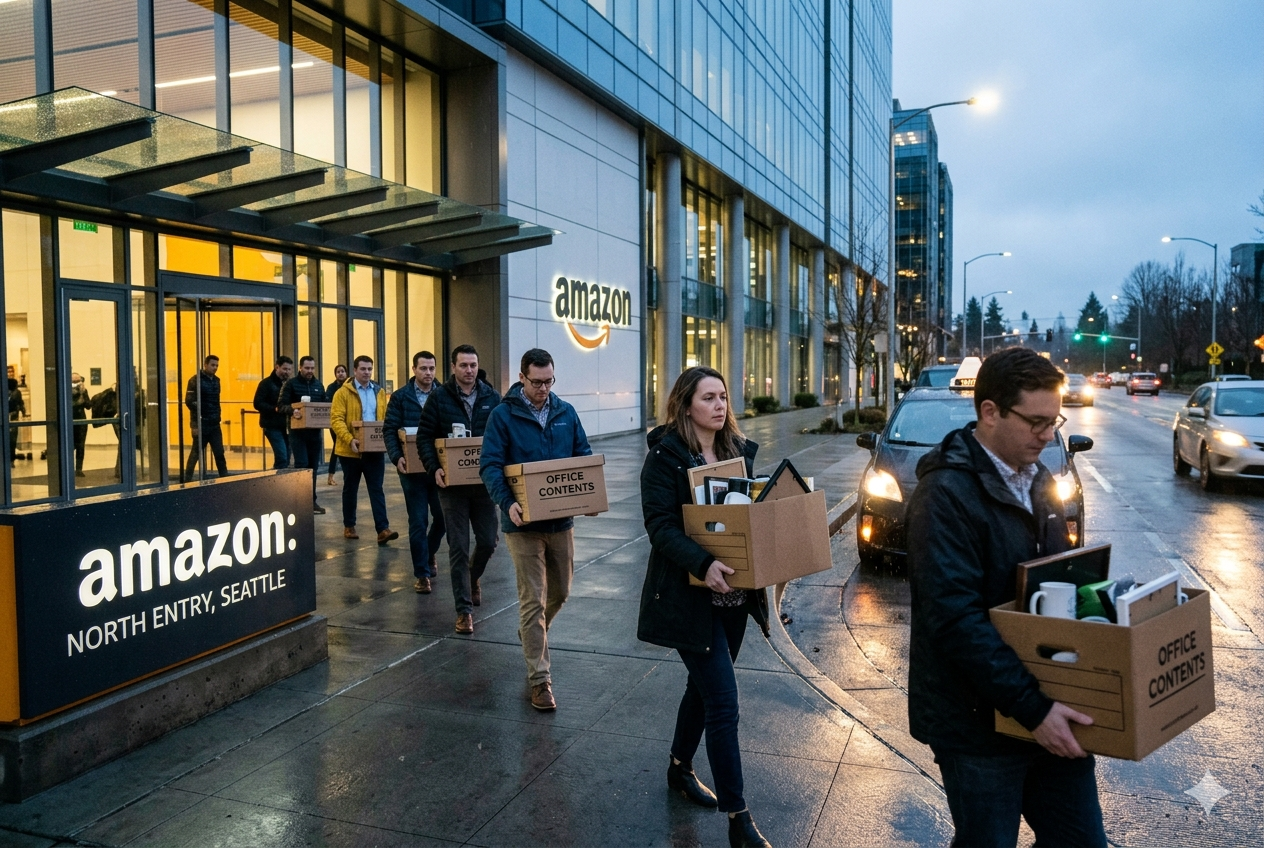
The term amazon layoff has become increasingly prominent in discussions about the global technology and e-commerce sectors. As one of the largest and most influential companies in the world, Amazon’s workforce decisions carry significant weight, not only for its employees but also for the broader economy. Layoffs at such a scale often signal deeper structural changes within the organization and the industry as a whole. Understanding the factors behind these decisions provides valuable insight into evolving business strategies, technological advancements, and shifting market conditions.
This article explores the underlying causes of Amazon layoffs, their impact on employees and communities, and what they reveal about the future of work in a rapidly changing digital landscape.
The Context Behind Amazon Layoffs
Rapid Expansion and Market Correction
Amazon experienced unprecedented growth during periods of increased online shopping demand, particularly during global disruptions that accelerated digital adoption. To meet this surge, the company expanded its workforce significantly, hiring across logistics, technology, and customer service roles.
However, as market conditions stabilized, the pace of growth slowed. This shift required a reassessment of operational needs, leading to workforce reductions. The phenomenon illustrates a common business cycle in which rapid expansion is followed by strategic correction.
Economic Pressures and Cost Management
Economic factors play a crucial role in shaping corporate decisions. Rising inflation, increased operational costs, and changing consumer spending patterns can impact profitability. For a company operating at Amazon’s scale, even minor fluctuations can have substantial financial implications.
In response, cost management becomes a priority. Workforce reductions, though challenging, are often part of broader efforts to maintain efficiency and financial stability.
Key Drivers of Amazon Layoff Decisions
Automation and Technological Advancements
Technology is at the core of Amazon’s operations. Automation in warehouses, advancements in artificial intelligence, and improvements in logistics systems have significantly enhanced efficiency. While these innovations drive productivity, they also reduce the need for certain roles.
Automation does not eliminate jobs entirely but shifts the demand toward more specialized skills. This transition contributes to the occurrence of layoffs in areas where tasks become increasingly automated.
Shifts in Consumer Behavior
Consumer preferences continue to evolve, influencing how companies allocate resources. While online shopping remains strong, growth rates have normalized compared to earlier peaks. Additionally, customers now expect faster delivery, competitive pricing, and seamless digital experiences.
Meeting these expectations requires continuous adaptation. Amazon’s restructuring efforts, including layoffs, reflect its attempt to align resources with current demand and future priorities.
Organizational Restructuring
Large organizations frequently undergo restructuring to improve efficiency and focus on strategic objectives. For Amazon, this may involve consolidating teams, discontinuing underperforming projects, or reallocating resources to high-growth areas.
Such changes often lead to workforce reductions, as certain roles become redundant or are merged with others. While restructuring can enhance long-term performance, it also presents immediate challenges for affected employees.
Impact on Employees and Workforce Dynamics
Job Displacement and Career Challenges
The most immediate effect of an amazon layoff is job loss for affected employees. This transition can disrupt careers, create financial uncertainty, and require individuals to seek new opportunities in a competitive job market.
While many employees possess valuable skills, adapting to new roles or industries may require additional training or education. The ability to navigate these changes is critical for long-term career resilience.
Emotional and Psychological Effects
Layoffs can have significant emotional and psychological impacts. Employees may experience stress, anxiety, and uncertainty about their future. Even those who remain employed may feel increased pressure and concern about job security.
Maintaining morale and fostering a supportive work environment becomes essential during such periods. Transparent communication and access to support resources can help mitigate these challenges.
Support and Transition Programs
Amazon has implemented various support measures for affected employees, including severance packages, job placement assistance, and access to training programs. These initiatives aim to ease the transition and help individuals move forward.
However, the effectiveness of these programs depends on individual circumstances and the broader economic environment. Continuous investment in employee support remains a key aspect of responsible workforce management.
Broader Economic and Industry Implications
Influence on the Technology Sector
As a leading company, Amazon’s decisions often influence trends across the technology sector. Layoffs within the organization may prompt similar actions by other companies facing comparable challenges.
This ripple effect highlights the interconnected nature of the industry, where changes in one major organization can impact the broader ecosystem.
Redistribution of Talent
Workforce reductions lead to the redistribution of talent across industries. Former Amazon employees often bring valuable experience and expertise to new roles, contributing to innovation in startups, smaller companies, and emerging sectors.
This movement of talent can drive growth and create new opportunities, benefiting the economy as a whole.
Impact on Local Communities
Amazon’s presence in various regions means that layoffs can have localized economic effects. Reduced employment can lead to decreased consumer spending, affecting businesses and services in surrounding areas.
At the same time, new opportunities may arise as displaced workers seek alternative employment or entrepreneurial ventures.
The Role of Technology in Shaping Workforce Changes
Artificial Intelligence and Machine Learning
Artificial intelligence and machine learning are transforming how businesses operate. These technologies enable more efficient decision-making, improve customer experiences, and streamline processes.
While they create new opportunities, they also reduce the need for certain roles, contributing to workforce changes. Understanding this dynamic is essential for anticipating future employment trends.
Evolving Skill Requirements
As technology advances, the demand for specific skills continues to evolve. Roles related to data analysis, software development, and cloud computing are increasingly important.
Employees must adapt by acquiring new skills and staying informed about industry trends. Continuous learning is essential for maintaining relevance in a rapidly changing job market.
Strategies for Navigating Layoffs
Upskilling and Professional Development
Investing in education and skill development is crucial for individuals affected by layoffs. Online courses, certifications, and training programs provide opportunities to enhance expertise and explore new career paths.
Focusing on high-demand areas can improve employability and open doors to emerging opportunities.
Networking and Career Opportunities
Building professional networks can significantly enhance job prospects. Connections within and outside the industry can provide valuable insights, recommendations, and access to new roles.
Networking remains a powerful tool for navigating career transitions and achieving long-term success.
Exploring Alternative Career Paths
Layoffs can also serve as a catalyst for exploring alternative career options. Some individuals choose to pursue entrepreneurship, freelance work, or roles in different industries.
While these paths may involve uncertainty, they can lead to innovative and fulfilling career experiences.
Future Outlook of Amazon Layoff Trends
Continued Emphasis on Efficiency
Efficiency will remain a central focus for Amazon as it navigates changing market conditions. Workforce adjustments may continue as the company seeks to optimize operations and maintain competitiveness.
Balancing Growth and Stability
Balancing growth with stability is a key challenge for large organizations. While expansion creates opportunities, it also requires careful management to avoid overextension.
Amazon’s approach to workforce management will likely reflect this balance, aiming to support long-term sustainability.
The Importance of Adaptability
Adaptability is essential for both organizations and employees. As the business environment continues to evolve, the ability to respond to change will determine success.
Companies must remain flexible in their strategies, while individuals must be prepared to adjust their skills and career paths.
Conclusion
The phenomenon of amazon layoff reflects the complex interplay of economic conditions, technological advancements, and strategic decision-making. While layoffs present challenges for employees and communities, they also highlight the dynamic nature of the modern workforce.
By understanding the factors driving these changes, individuals and organizations can better navigate the evolving landscape. The future of work will depend on adaptability, innovation, and a commitment to continuous learning.
As Amazon continues to shape the global economy, its workforce decisions will remain a key indicator of broader trends. Examining these developments provides valuable insight into the direction of the technology sector and the opportunities that lie ahead.
