

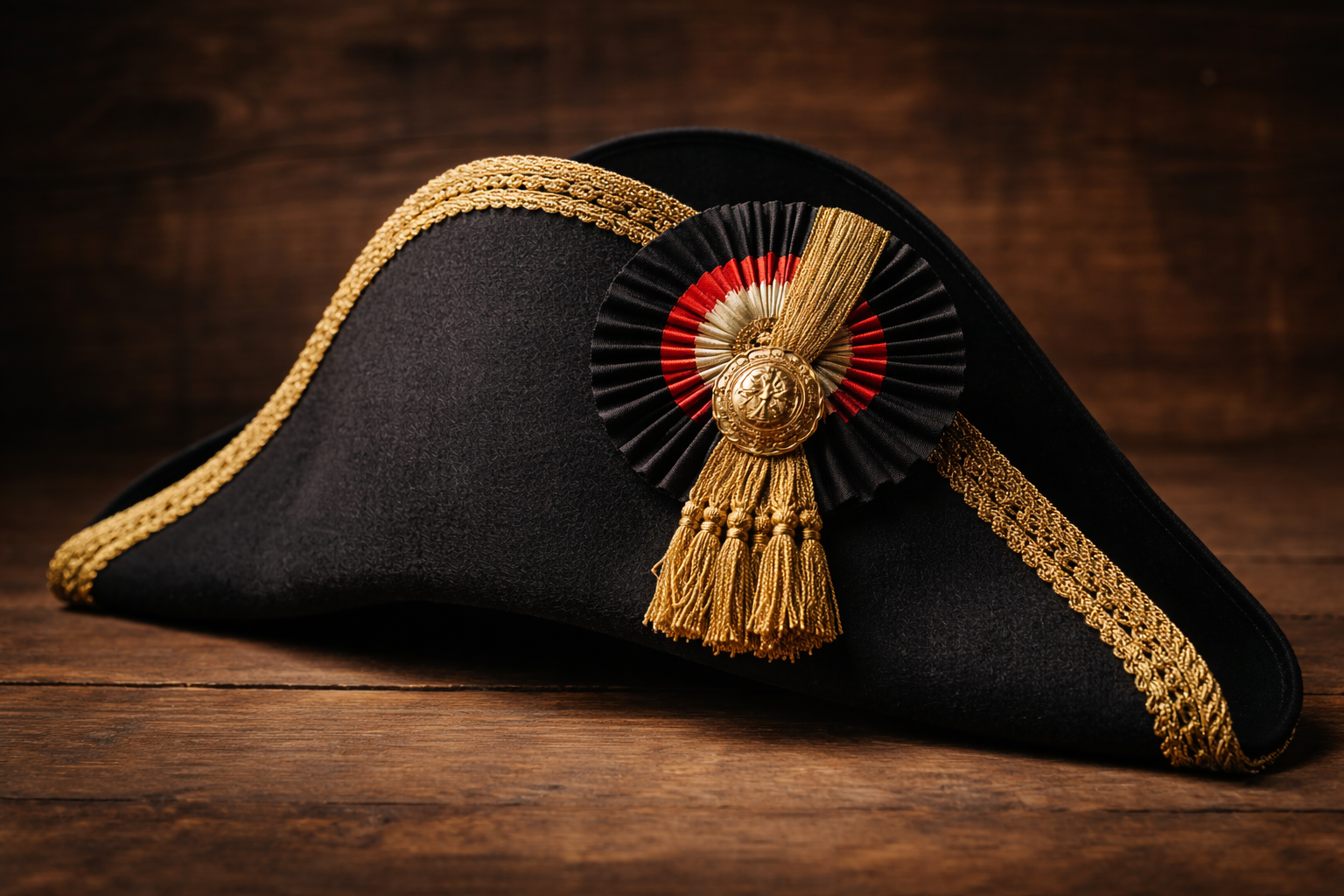
Fashion has always served as a powerful reflection of culture, identity, and social hierarchy. Among the many iconic accessories that emerged from the Middle Ages, the bycocket hat holds a distinctive place. Recognizable for its unique silhouette and historical associations, this medieval headpiece has fascinated historians, costume designers, and fashion enthusiasts alike. Its enduring appeal lies not only in its unusual design but also in the cultural symbolism it carried across centuries. Today, the bycocket hat continues to inspire modern interpretations while maintaining its historical significance.
Origins and Historical Background
It evolved from earlier soft caps that were commonly worn across medieval societies. As tailoring techniques advanced and fashion became more expressive, this hat developed a more structured and recognizable form.
Characterized by a low, rounded crown and a brim that often turned up at the back while dipping down at the front, the bycocket hat created a distinctive profile. In some variations, the brim was sharply pointed or featured decorative elements such as feathers or brooches. Its shape offered both style and practicality, shielding the face from sunlight while allowing ease of movement.
During the later medieval period, the hat gained prominence in regions such as England and France. It became associated with both nobility and the emerging merchant class, reflecting a broader shift in social mobility and personal expression. Over time, it also found symbolic representation in art and literature.
Design Features of the Bycocket Hat
Structure and Materials
The bycocket hat was typically crafted from felted wool, which was readily available and durable. Felt provided flexibility while allowing the brim to hold its shape. Artisans sometimes used higher-quality fabrics for affluent patrons, incorporating dyed materials in deep reds, greens, or blues.
The hallmark feature of this hat was its asymmetrical brim. While the front brim often sloped downward, the back portion curved upward, creating an almost horn-like silhouette. This design gave the bycocket hat a distinctive identity among medieval headwear.
Decorative additions enhanced its appeal. Feathers, pins, jewels, and embroidery were common embellishments, particularly among the upper classes. These adornments served as indicators of wealth and status, transforming the hat from a practical accessory into a statement of refinement.
Variations Across Regions
Although the core structure remained consistent, regional adaptations influenced its appearance. In England, the bycocket hat sometimes featured a more exaggerated rear curve, while continental versions displayed subtler shaping. Artistic depictions suggest that younger men favored more flamboyant designs, whereas older wearers preferred understated styles.
These regional differences reveal how fashion evolved through cultural exchange and local preferences. Despite variations, the essential characteristics of the bycocket hat remained recognizable throughout medieval Europe.
Cultural Significance and Symbolism
The bycocket hat gained cultural importance through its association with folklore and legendary figures. In England, it is often linked to the legendary outlaw depicted in the tales of Robin Hood. Illustrations of Robin Hood frequently portray him wearing a hat resembling the bycocket, complete with a feather tucked into the band.
While historians debate whether Robin Hood truly wore such headwear, the visual tradition remains influential. The association transformed the bycocket hat into a cultural icon, extending its relevance beyond its original era.
Beyond folklore, the hat also represented social standing. Members of the aristocracy used elaborate designs to demonstrate wealth, while simpler versions were accessible to commoners. The headpiece thus bridged social divides, reflecting both exclusivity and accessibility within medieval fashion.
The Bycocket Hat in Medieval Art
Paintings, illuminated manuscripts, and sculptures from the 14th and 15th centuries frequently depict figures wearing this distinctive hat. Artists used clothing to convey identity, occupation, and social rank, and the bycocket hat often signified youth, mobility, or chivalric character.
In courtly scenes, it appeared on pages and young nobles. In rural or hunting illustrations, it adorned archers and travelers. Its presence across diverse artistic contexts demonstrates its widespread popularity.
Art historians note that depictions sometimes exaggerate the brim’s curvature for dramatic effect. These stylized representations contributed to the enduring visual identity of the bycocket hat in historical imagination.
Transition and Decline
As fashion evolved during the late 15th century, new headwear styles began to replace the bycocket hat. Broader-brimmed hats and more structured caps gained popularity, reflecting changing aesthetic preferences and influences from Renaissance design.
However, the decline of daily use did not erase its cultural memory. The hat persisted in artistic depictions and later theatrical costumes, particularly in portrayals of medieval legends. Its recognizable form ensured that it would remain embedded in the visual vocabulary of historical storytelling.
Revival in Modern Costume and Media
In contemporary times, the bycocket hat has experienced periodic revivals. Historical reenactment communities often recreate authentic medieval garments, and this hat frequently appears in such settings. Its distinct silhouette makes it a favorite among costume designers seeking to evoke the Middle Ages.
Film and television productions set in medieval periods have also revived the style. Costume departments rely on historical research to ensure authenticity, and the bycocket hat provides a visually compelling accessory that instantly communicates era and character.
Additionally, fantasy genres sometimes adapt the design, blending historical accuracy with imaginative elements. This creative reinterpretation demonstrates how traditional forms can inspire modern aesthetics.
Craftsmanship and Reconstruction Today
Modern artisans who recreate medieval attire study historical sources to replicate the bycocket hat accurately. They analyze museum artifacts, paintings, and written descriptions to understand original construction methods. Felt remains the primary material, though some contemporary makers experiment with alternative fabrics for comfort and durability.
The process typically involves shaping felt over molds, trimming the brim carefully, and attaching decorative features by hand. This craftsmanship reflects a respect for historical authenticity while accommodating present-day preferences.
Enthusiasts value these reproductions not merely as accessories but as educational tools. Wearing a bycocket hat during reenactments fosters a tangible connection to medieval heritage, enhancing historical understanding.
Influence on Modern Fashion
Although rarely seen in everyday attire, the bycocket hat has influenced modern design elements. Asymmetrical brims and decorative feathers occasionally appear in avant-garde collections. Designers often draw inspiration from historical garments, reinterpreting them to suit contemporary tastes.
Fashion cycles frequently revisit past eras for creative ideas. The distinct shape of this medieval hat offers a striking contrast to conventional headwear, providing opportunities for experimentation. Even subtle nods to its silhouette demonstrate the lasting legacy of medieval design.
Preservation and Educational Value
Museums and historical institutions play a crucial role in preserving knowledge about medieval clothing. Exhibitions that feature replicas or illustrations of the bycocket hat help audiences understand the broader context of medieval life.
Educational programs often use such artifacts to explore themes of social hierarchy, craftsmanship, and cultural exchange. By examining clothing, students gain insight into daily life and artistic expression during the Middle Ages.
The continued study of medieval attire underscores the importance of preserving tangible and visual heritage. Through research and exhibition, historians ensure that items like the bycocket hat remain part of our collective memory.
Conclusion
The bycocket hat stands as more than a simple accessory from the medieval past. Its distinctive design, cultural symbolism, and artistic representation have secured its place in fashion history. From its origins in 13th-century Europe to its association with legendary figures and modern reenactments, this remarkable headpiece reflects the dynamic interplay between practicality and identity.
Although its everyday use faded centuries ago, the bycocket hat continues to capture imagination through art, literature, and costume. Its enduring appeal illustrates how historical fashion can transcend time, connecting contemporary audiences with the richness of medieval culture. By studying and appreciating such garments, we deepen our understanding of history and celebrate the creativity that shaped it.
