

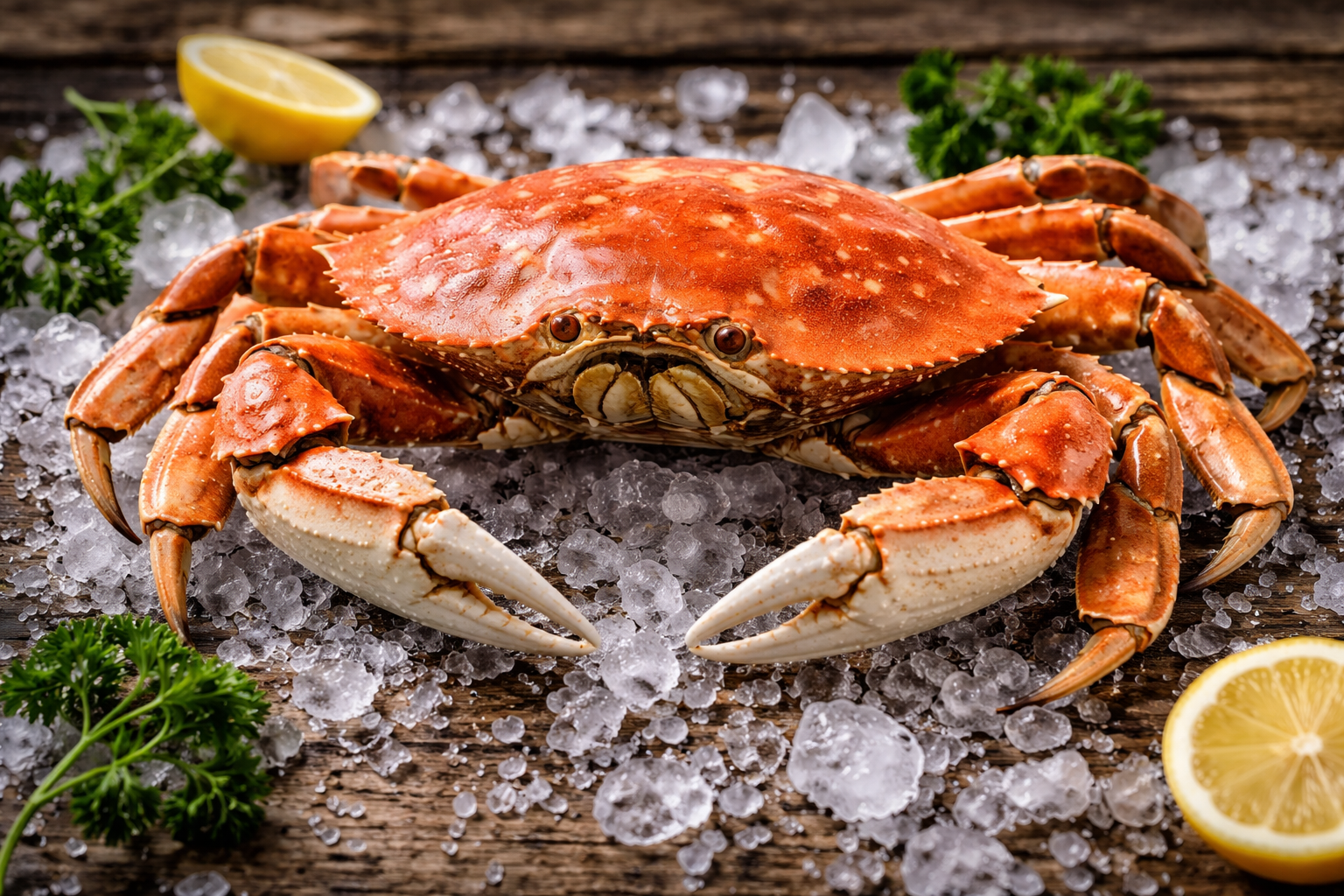
Seafood lovers around the world appreciate crab for its delicate flavor and tender texture. Among the many crab varieties found in oceans, dungeness crab holds a special place in culinary traditions along the Pacific coast of North America. Known for its sweet meat and impressive size, this crab has become a favorite ingredient in restaurants and home kitchens alike.
Harvested primarily from the cold waters of the Pacific Ocean, this species is widely valued not only for its flavor but also for its nutritional benefits and cultural importance in coastal communities. From traditional seafood feasts to modern gourmet recipes, dungeness crab continues to attract attention from chefs and food enthusiasts.
This article explores the origin, habitat, flavor profile, nutritional value, and culinary uses of dungeness crab. Understanding these aspects can help readers appreciate why this crab remains one of the most sought-after seafood options in the world.
What Is Dungeness Crab?
Dungeness crab is a species of crab that lives along the Pacific coastline of North America. It is scientifically known as Metacarcinus magister. The crab gets its name from the town of Dungeness in Washington State, where it was first commercially harvested.
This crab species typically features a broad shell that can grow up to 10 inches wide. Its color ranges from brown to purplish tones, and it has strong claws designed for breaking shells and catching food. Compared with many other crabs, it offers a high proportion of meat, which makes it particularly attractive for commercial fishing and culinary use.
The popularity of dungeness crab has grown over time because of its mild sweetness and tender texture. It is commonly sold fresh, cooked, or frozen in seafood markets across North America and in many international markets.
Natural Habitat and Distribution
Pacific Coast Environment
Dungeness crab mainly lives in the cold waters of the Pacific Ocean. Its habitat stretches from Alaska down to central California. The crab prefers sandy or muddy ocean floors where it can easily bury itself for protection.
These crabs usually inhabit depths ranging from shallow coastal areas to deeper waters. Young crabs often remain in protected bays and estuaries where they can grow safely. As they mature, they gradually move into deeper ocean environments.
Seasonal Movements
The movement patterns of dungeness crab depend on temperature, breeding cycles, and food availability. During certain seasons, they migrate closer to the shore, making them easier for fishermen to catch. These seasonal changes influence the timing of commercial fishing seasons along the Pacific coast.
Government agencies closely monitor crab populations to maintain sustainable harvesting. Fishing seasons are carefully regulated to protect young crabs and ensure long-term population stability.
Physical Characteristics
Size and Appearance
Dungeness crab is recognized for its wide shell and relatively short body compared with other crab species. Adult males typically grow larger than females and are the primary targets for commercial fishing.
The shell, also called the carapace, has small spines along the edges. The crab’s legs are long and strong, allowing it to move quickly across the ocean floor.
Molting and Growth
Like other crustaceans, dungeness crab grows by molting. During this process, the crab sheds its old shell and forms a new, larger one. After molting, the shell remains soft for a short time until it hardens.
This stage is important for growth but also makes the crab more vulnerable to predators. As the shell hardens, the crab regains its full strength and protection.
Flavor and Culinary Appeal
One of the main reasons people seek out dungeness crab is its exceptional flavor. The meat is known for being slightly sweet, tender, and delicate. Compared with some other crab species, it has a softer texture and a cleaner taste.
The body of the crab contains most of the meat, while the legs and claws provide firm and flavorful pieces. Because of this balance of textures, many chefs prefer this crab for both simple and complex seafood dishes.
In many coastal regions, freshly cooked dungeness crab is served with melted butter, lemon, and minimal seasoning. This preparation allows the natural taste of the crab to stand out.
Popular Ways to Cook Dungeness Crab
Steaming and Boiling
The most traditional way to prepare dungeness crab is by steaming or boiling it. These cooking methods preserve the natural flavor and keep the meat moist. After cooking, the shell is cracked open and the meat is served with simple dipping sauces.
Crab Cakes and Salads
Dungeness crab meat is also widely used in crab cakes. The sweet flavor blends well with herbs, breadcrumbs, and light seasoning. The mixture is shaped into patties and lightly fried to create a crisp outer layer.
In salads, the crab adds a delicate seafood taste. Chefs often combine it with fresh greens, citrus dressing, and avocado for a refreshing dish.
Pasta and Seafood Dishes
Many modern recipes incorporate dungeness crab into pasta, risotto, and seafood stews. Its mild taste pairs well with garlic, olive oil, and light cream sauces. Because the meat is naturally flavorful, heavy seasoning is usually unnecessary.
Nutritional Value
It provides a variety of essential nutrients that support overall health.
The meat is rich in high-quality protein, which helps build and repair body tissues. It also contains important minerals such as zinc, selenium, and copper. These nutrients support immune function and metabolic processes.
In addition, crab meat contains omega-3 fatty acids.
Another advantage is that dungeness crab is relatively low in fat and calories compared with many other protein sources. This makes it a good choice for people who want to maintain a balanced diet.
Commercial Fishing and Industry Importance
Economic Impact
The dungeness crab fishery is one of the most valuable seafood industries on the Pacific coast of the United States and Canada. Each year, thousands of fishermen participate in the harvesting season.
The industry supports coastal economies by providing jobs in fishing, seafood processing, transportation, and restaurants. Local communities often celebrate the start of the crab season with festivals and seafood events.
Sustainable Fishing Practices
Sustainability plays an important role in protecting crab populations. Fisheries follow strict regulations that limit the size and number of crabs that can be harvested.
Only male crabs above a certain size are typically allowed to be caught. Female crabs and smaller individuals must be returned to the ocean. These rules help maintain a healthy population for future generations.
Cultural Significance
For many coastal communities, dungeness crab represents more than just a seafood product. It is part of regional traditions and culinary heritage.
Family gatherings, holiday meals, and seafood festivals often feature fresh crab as the main dish. In places like Washington, Oregon, and Northern California, people look forward to the crab season every year.
Restaurants also celebrate the arrival of the new harvest by offering special menus that highlight this prized seafood. The popularity of these events shows how deeply connected the crab is to local culture.
Tips for Buying and Storing
When purchasing dungeness crab, freshness is very important. Whole cooked crabs should have a mild ocean smell and a firm shell. If buying live crab, it should appear active and responsive.
Once cooked, the crab meat should be stored in a refrigerator and consumed within a few days. For longer storage, the meat can be frozen in airtight containers.
When handling crab, proper cleaning and refrigeration help maintain its quality and safety.
Conclusion
Dungeness crab stands out as one of the most celebrated seafood choices along the Pacific coast. Its sweet flavor, tender texture, and impressive nutritional value make it a favorite among chefs and seafood lovers alike. From simple steamed preparations to creative gourmet dishes, this crab offers remarkable versatility in the kitchen.
Beyond its culinary appeal, the species also supports important fishing industries and cultural traditions in coastal communities. Careful management and sustainable harvesting ensure that future generations will continue to enjoy this prized seafood.
Whether served at a seaside restaurant or prepared at home for a special meal, dungeness crab remains a symbol of fresh ocean flavor and coastal heritage.
