

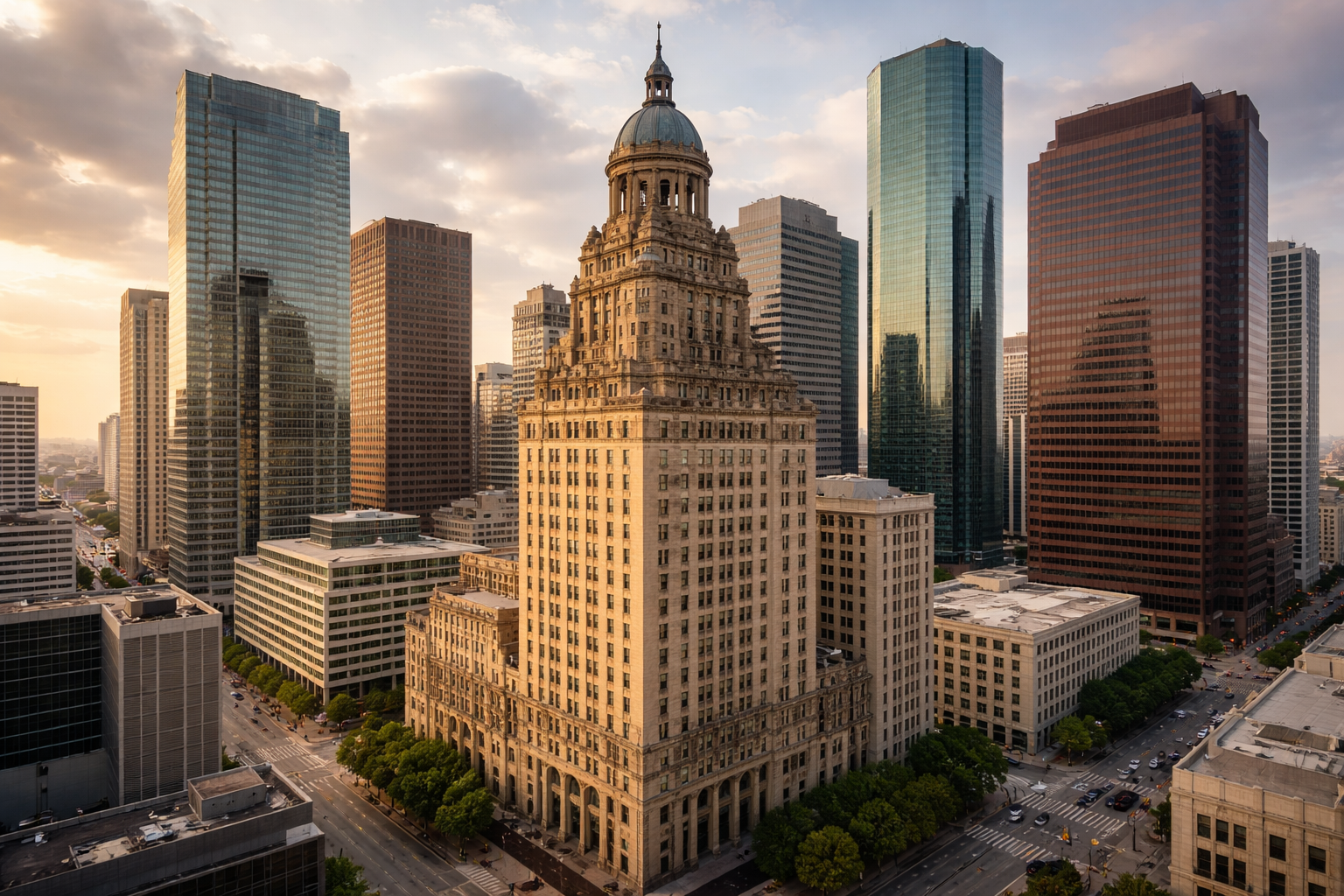
Houston’s skyline tells a story of ambition, resilience, and architectural evolution. Among the gleaming glass towers and modern high-rises stands a historic masterpiece that continues to capture attention decades after its completion. The Esperson Building Houston Texas remains one of the city’s most iconic and elegant structures. With its classical design, rich history, and enduring presence in downtown Houston, this architectural treasure represents both the city’s past and its ongoing growth.
From its origins in the early twentieth century to its current role as a preserved commercial landmark, the Esperson Building has earned a special place in Houston’s architectural heritage. Its story blends visionary entrepreneurship, European-inspired design, and the rapid development that shaped Houston into a global city.
The Historical Background of the Esperson Building
The Esperson Building Houston Texas was completed in 1927 during a period of economic expansion driven by the oil boom. It was commissioned by Mellie Esperson in memory of her husband, Niels Esperson, a prominent oil businessman and philanthropist. Following his passing, Mellie Esperson sought to honor his legacy with a building that would stand as a symbol of achievement and permanence.
Designed by renowned architect John Eberson, the structure reflects a striking Italian Renaissance style rarely seen in Texas commercial buildings of that era. At the time of its completion, it was one of the tallest buildings in Houston, representing the city’s growing economic power and ambition.
The building quickly became a centerpiece of downtown Houston. Its grandeur and attention to detail distinguished it from other commercial properties, setting a new standard for architectural sophistication in the region.
Architectural Design and Distinctive Features
Italian Renaissance Inspiration
The Esperson Building Houston Texas draws heavy inspiration from Italian Renaissance architecture. Its exterior features creamy limestone and brick, decorative columns, and ornate detailing that echo classical European palaces. The symmetrical façade, arched windows, and intricate cornices create a sense of refinement that contrasts with the modern glass towers surrounding it today.
The building’s crown is particularly noteworthy. With its elegant tower design, it contributes a timeless silhouette to Houston’s skyline. This European aesthetic makes the structure instantly recognizable and historically significant.
Interior Elegance
Inside, the building reflects the same commitment to detail. Marble floors, decorative ceilings, and brass fixtures contribute to an atmosphere of sophistication. These elements were designed not only to impress but also to communicate stability and prestige to tenants and visitors.
When the building first opened, it included state-of-the-art features for its time, such as advanced elevators and modern office amenities. This combination of classical beauty and contemporary convenience helped establish the Esperson Building Houston Texas as a premier commercial address.
A Twin Landmark: The Niels Esperson Building
While the Mellie Esperson Building often captures attention for its ornate appearance, it is part of a larger architectural story. Across the street stands the Niels Esperson Building, completed in 1924. Together, these two structures form a pair of historic landmarks that reflect the Esperson family’s influence on Houston’s development.
The Niels Esperson Building features a more restrained classical design but shares a similar sense of permanence and elegance. The underground tunnel system connecting the two buildings further enhances their historical significance and practical functionality.
These twin buildings remain central features of downtown Houston’s architectural identity, linking the city’s early oil-driven prosperity to its present-day status as an energy capital.
Role in Houston’s Urban Development
Contribution to Downtown Growth
During the 1920s, Houston was undergoing rapid transformation. The oil industry fueled economic expansion, and the demand for commercial office space increased dramatically. The Esperson Building Houston Texas played a crucial role in accommodating this growth.
By offering high-quality office space in a prestigious setting, the building attracted prominent businesses and professionals. It became a hub of commercial activity and helped establish downtown Houston as the city’s financial and corporate center.
Surviving Economic Shifts
Over the decades, the building has witnessed significant economic changes, including the Great Depression, oil industry fluctuations, and shifts in urban development trends. Despite these challenges, it has remained a functioning commercial property.
Preservation efforts have ensured that the building retains its historic character while adapting to modern business needs. This balance between conservation and practicality demonstrates the enduring value of the Esperson Building Houston Texas.
Preservation and Modern Relevance
Historic preservation plays a vital role in maintaining Houston’s cultural identity. While the city is often associated with modern skyscrapers and rapid expansion, landmarks like the Esperson Building provide continuity and historical depth.
Restoration projects have maintained the building’s façade and interior details, ensuring that its architectural integrity remains intact. Today, it continues to house offices and commercial spaces, blending historical charm with contemporary functionality.
Its location in downtown Houston also places it within the city’s pedestrian tunnel system and near major transportation routes, enhancing its accessibility and ongoing relevance in the business community.
Architectural Significance in Houston
A Contrast to Modern Skyscrapers
Houston’s skyline features numerous contemporary high-rises, but the Esperson Building Houston Texas offers a striking contrast. Its classical design stands apart from steel-and-glass towers, providing visual diversity and architectural balance.
This contrast highlights the city’s layered history. Rather than replacing older structures entirely, Houston has allowed some historic buildings to coexist with modern developments. The Esperson Building exemplifies this coexistence, enriching the skyline with character and heritage.
A Symbol of Legacy and Vision
The building represents more than architectural beauty; it symbolizes the vision of Mellie Esperson and the entrepreneurial spirit of early Houston oil pioneers. Its creation required ambition, financial investment, and a belief in Houston’s future growth.
As a result, the building serves as a physical reminder of the individuals who helped shape the city’s economic landscape.
Visiting and Experiencing the Esperson Building
Although primarily a commercial office building, the Esperson Building Houston Texas attracts architecture enthusiasts and history lovers alike. Visitors often admire its façade and historic detailing while exploring downtown Houston.
The surrounding area offers easy access to restaurants, cultural institutions, and public spaces, making it a convenient stop for those interested in Houston’s architectural heritage. Walking tours frequently highlight the building as a key example of early twentieth-century design.
While interior access may be limited depending on tenant policies, the exterior alone provides ample opportunity to appreciate its craftsmanship and scale.
Why the Esperson Building Remains Important Today
In a rapidly evolving city, historic landmarks provide a sense of continuity. The Esperson Building Houston Texas stands as a testament to resilience and thoughtful design. Its continued use demonstrates that historic structures can remain economically viable while preserving cultural value.
The building also reinforces the importance of architectural diversity. By maintaining classical structures alongside modern skyscrapers, Houston preserves a richer and more nuanced urban identity.
For residents and visitors alike, the Esperson Building offers more than visual appeal. It tells a story of ambition, remembrance, and the transformative power of architecture.
Conclusion
The Esperson Building Houston Texas remains one of the city’s most distinguished landmarks. From its origins as a tribute by Mellie Esperson to its present-day role in downtown commerce, the building embodies Houston’s history and architectural sophistication. Its Italian Renaissance design, historic significance, and continued functionality ensure that it remains a vital part of the city’s identity.
As Houston continues to grow and redefine its skyline, the Esperson Building stands firm as a reminder of the city’s roots. It connects past and present through enduring craftsmanship and visionary ambition. In doing so, it secures its place not only as an architectural gem but also as a lasting symbol of Houston’s progress and heritage.
