

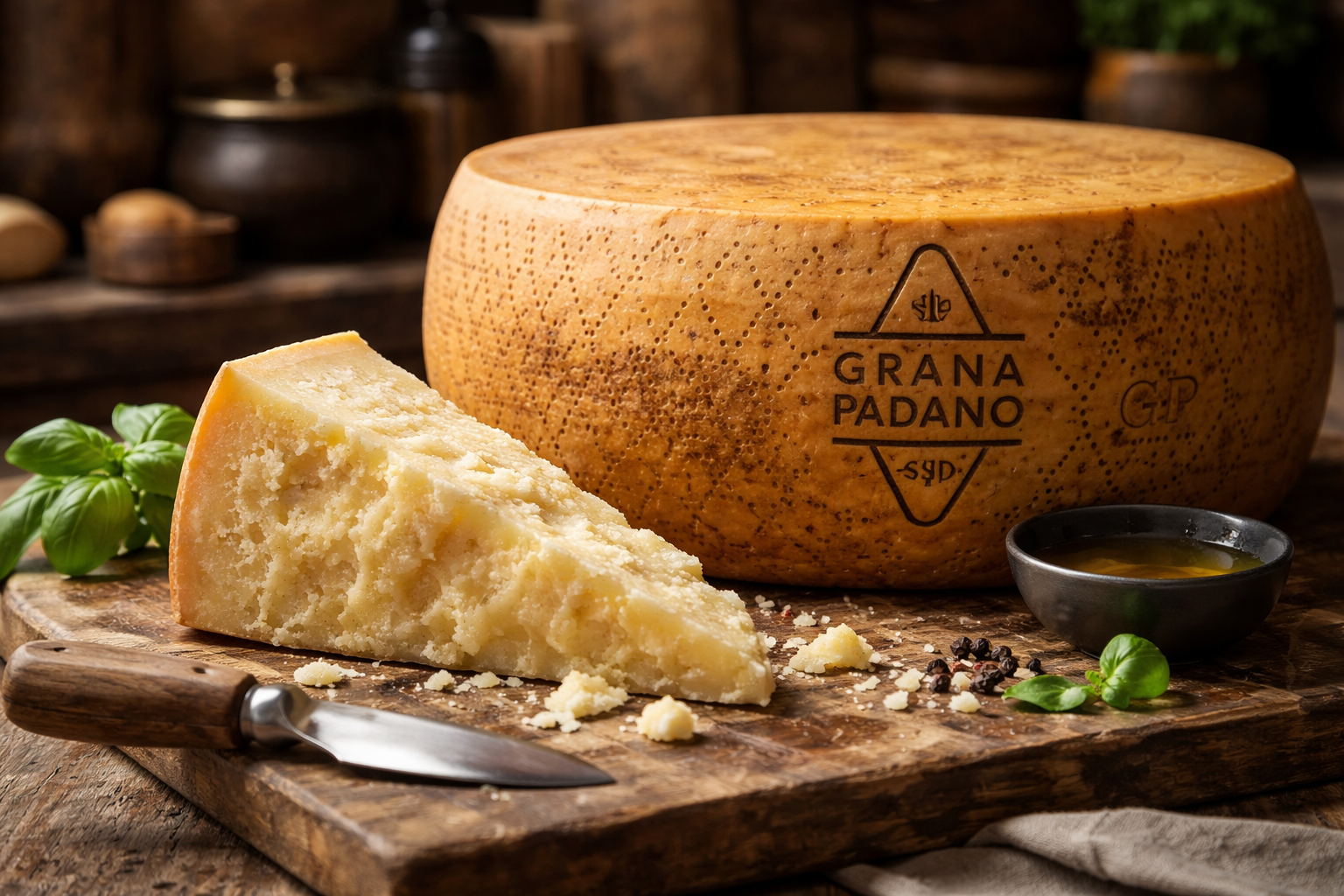
Italian cuisine is famous around the world for its rich flavors, simple ingredients, and long culinary traditions. Among the many foods that define this culture, cheese holds a special place. One of the most respected varieties is Grana Padano, a hard Italian cheese known for its grainy texture and balanced flavor. Produced for centuries in northern Italy, this cheese reflects both tradition and craftsmanship.
Many people recognize famous Italian cheeses like Parmigiano Reggiano, yet Grana Padano has its own identity and history. It offers a slightly milder taste, a more affordable price, and remarkable versatility in cooking. From pasta dishes to salads and soups, it enhances food without overpowering other ingredients.
Understanding the origins, production process, and uses of this cheese helps explain why it remains one of the most widely consumed cheeses in Italy today. This article explores its history, how it is made, what makes it unique, and how it fits into modern cuisine.
The History of Grana Padano
Origins in Northern Italy
The story of Grana Padano begins nearly a thousand years ago in the fertile lands of northern Italy. The cheese originated in the region around the Po Valley, one of Europe’s most productive agricultural areas. This region stretches across the northern part of Italy and has long been known for dairy farming.
Historical records suggest that monks first developed the cheese in the 12th century. At that time, farmers had large quantities of milk but limited ways to preserve it. To prevent waste, they created a hard cheese that could last for many months or even years. This solution turned into one of Italy’s most successful food traditions.
The name itself explains part of its identity. “Grana” refers to the cheese’s grainy texture, while “Padano” refers to the area around the Po River where it was originally produced.
Growth and Recognition
Over the centuries, production expanded across several regions in northern Italy. The cheese gained popularity not only among local communities but also across the country. Eventually, strict regulations were introduced to protect its authenticity.
Today, Grana Padano holds a protected designation of origin (PDO). This means it must be produced in specific areas using traditional methods. These protections ensure the quality and heritage of the cheese remain intact.
How Grana Padano Is Made
Traditional Ingredients
One reason this cheese remains so respected is its simple ingredient list. Authentic Grana Padano uses only a few elements:
- Cow’s milk
- Salt
- Rennet
- Lysozyme (a natural preservative)
The milk comes from cows raised in approved regions of northern Italy. Farmers follow strict feeding guidelines to maintain consistent quality.
The Production Process
The production process combines traditional techniques with careful monitoring. Fresh milk is partially skimmed and poured into large copper vats. Cheesemakers then heat the milk and add rennet to help it coagulate.
Once the curds form, they are broken into tiny grains. This step creates the characteristic grainy texture that defines the cheese. The curds are heated again, allowing them to settle at the bottom of the vat.
After this stage, the cheese mass is lifted out and divided into large wheels. Each wheel is placed into molds that give it its familiar round shape. The cheese then spends several weeks in a salt bath to develop flavor.
Aging and Maturation
Aging is essential to the final taste and texture. Most wheels mature for at least nine months, though some age much longer. During this time, experts regularly inspect and rotate the wheels.
As the cheese matures, it becomes firmer and more flavorful. The interior develops the crumbly, grainy structure that cheese lovers appreciate.
Flavor and Texture
Taste Profile
Grana Padano has a delicate yet rich flavor. Compared to Parmigiano Reggiano, it is generally milder and slightly creamier. This softer taste makes it appealing to a wide range of people.
Common flavor notes include:
- Light nuttiness
- Subtle sweetness
- Gentle savory depth
Because the taste is balanced rather than intense, the cheese works well in many types of dishes.
Texture Characteristics
The texture of this cheese is firm and granular. When cut, it often breaks into small crystals and flakes rather than smooth slices. This grainy structure is what gives the cheese its name.
Despite its firmness, it melts well when heated, making it useful in cooking. At the same time, it can also be enjoyed on its own as a table cheese.
Culinary Uses of Grana Padano
Everyday Cooking
One of the main reasons chefs and home cooks appreciate Grana Padano is its versatility. It can enhance many dishes without overwhelming the main ingredients.
Common culinary uses include:
- Grating over pasta
- Adding to risotto
- Mixing into sauces
- Topping soups
- Sprinkling on salads
Its balanced taste blends well with vegetables, grains, and meats.
In Italian Cuisine
Traditional Italian cooking often features this cheese in classic recipes. Many pasta dishes rely on it for a final layer of flavor. Risotto also benefits from its creamy melting quality.
In northern Italian kitchens, it is often served with bread, olives, or cured meats. These simple combinations highlight the cheese’s natural flavor.
As a Table Cheese
Beyond cooking, Grana Padano is also enjoyed on its own. Small chunks can be paired with fruit, nuts, or honey. This creates a simple yet elegant appetizer.
Wine lovers often match it with medium-bodied wines that complement its nutty notes.
Nutritional Value
A Source of Protein and Calcium
Like many aged cheeses, Grana Padano provides several nutrients. It contains a high level of protein, which supports muscle health and overall body function.
It is also rich in calcium, an essential mineral for strong bones and teeth. Because the cheese is aged for many months, it also becomes easier for some people to digest compared to fresh dairy products.
Moderate Consumption
Although nutritious, the cheese should be eaten in moderation. It contains salt and fat, which are common in aged cheeses. However, small portions can easily fit into a balanced diet.
In fact, its strong flavor means that only a small amount is needed to enhance a meal.
Differences Between Grana Padano and Parmigiano Reggiano
Production Regions
Both cheeses come from northern Italy, but they originate in different areas and follow separate regulations. Parmigiano Reggiano is produced in a smaller geographic region, while Grana Padano is made across a wider area.
Flavor and Aging
Parmigiano Reggiano often ages longer and develops a stronger, sharper taste. Grana Padano, on the other hand, typically has a softer and slightly sweeter flavor.
Price and Accessibility
Another difference lies in cost. Grana Padano is usually more affordable, making it a popular everyday cheese for many households. Despite the lower price, it still maintains high production standards and excellent quality.
Cultural Importance
A Symbol of Italian Tradition
For many Italians, Grana Padano represents more than just food. It reflects centuries of agricultural knowledge and regional pride. The cheese continues to connect modern producers with historical traditions.
Each wheel carries marks that identify its origin and confirm its authenticity. These markings help protect the reputation of the product worldwide.
Global Popularity
Although rooted in Italy, the cheese is now enjoyed in many countries. Restaurants, grocery stores, and chefs across the world use it in a wide variety of dishes.
Its popularity continues to grow because it offers both quality and versatility. People who discover it often add it to their regular cooking.
Conclusion
Grana Padano stands as one of Italy’s most respected cheeses, combining tradition, craftsmanship, and culinary flexibility. Born in the fertile lands of the Po Valley centuries ago, it has developed into a global favorite without losing its cultural roots.
Its mild yet complex flavor, grainy texture, and ability to enhance many dishes make it a valuable ingredient in kitchens everywhere. Whether grated over pasta, melted into risotto, or served in small chunks alongside fruit and wine, it delivers both taste and authenticity.
As food lovers continue exploring traditional ingredients, Grana Padano remains a timeless example of how simple methods and quality ingredients can create something truly special. Its long history and enduring popularity ensure that it will remain an important part of Italian cuisine for generations to come.
