

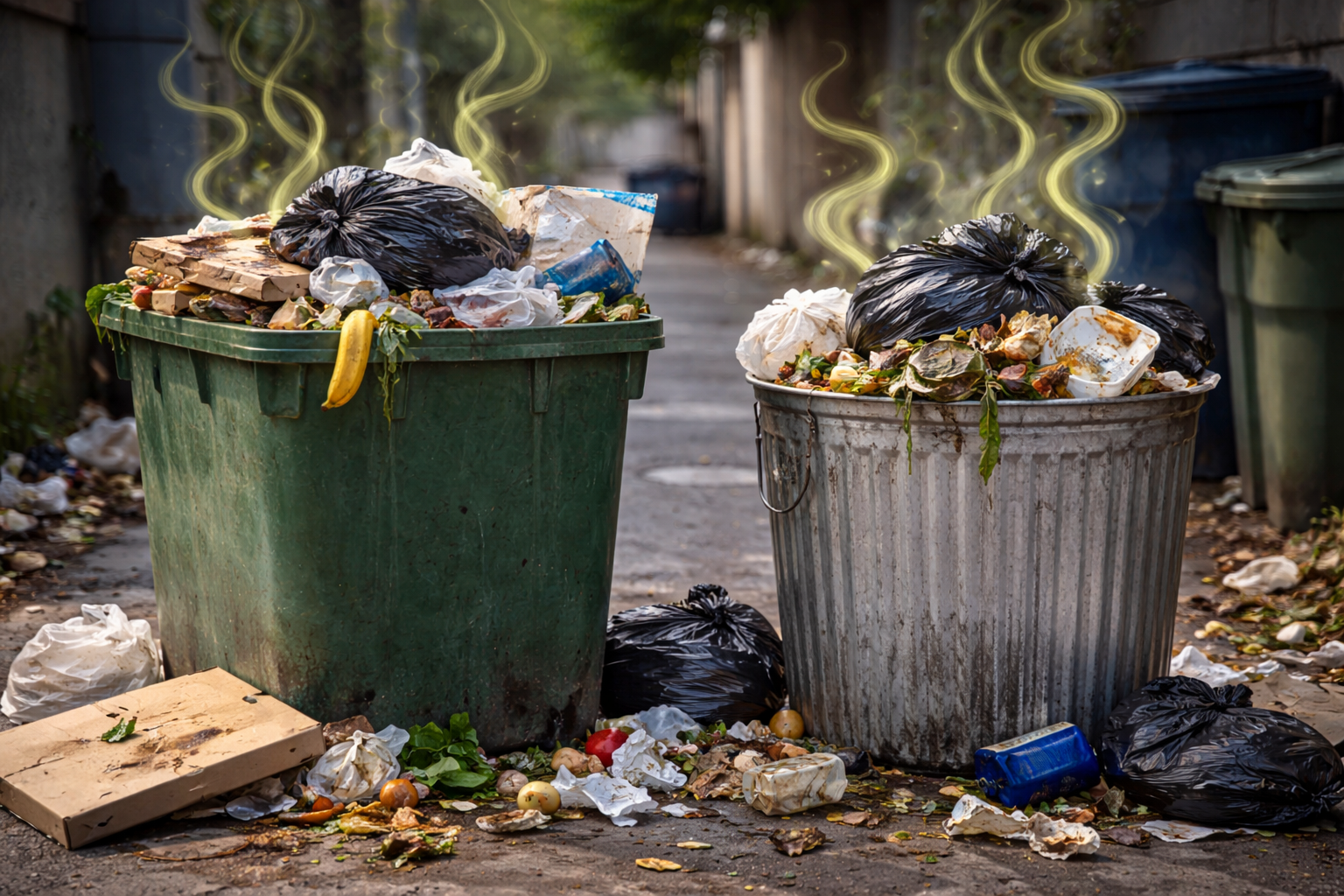
In everyday life, people encounter countless visual symbols designed to communicate messages quickly and efficiently. Among these, squiggly lines over garbage cans may appear simple or even insignificant at first glance, yet they carry layered meaning across design, hygiene, environmental awareness, and user behavior. From public signage to product packaging and digital icons, this visual element plays a subtle but powerful role in how people interpret waste, cleanliness, and odor management. Understanding why squiggly lines are placed above garbage cans helps clarify how visual language influences daily habits and broader environmental practices.
This article explores the origins, interpretations, and practical applications of squiggly lines over garbage cans, highlighting their relevance in modern design and public communication. By examining their symbolic value, functional purpose, and impact on behavior, it becomes clear that this small visual cue contributes meaningfully to how societies manage waste and cleanliness.
The Visual Language Behind Everyday Symbols
Why Simple Icons Matter
Visual symbols are designed to transcend language barriers and deliver information instantly. In public spaces such as parks, airports, and offices, icons must be immediately recognizable without explanation. Squiggly lines over garbage cans are part of this universal visual vocabulary. They rely on shared human perception rather than written language, allowing people from different backgrounds to interpret the message consistently.
The effectiveness of such symbols lies in their simplicity. A garbage can alone indicates waste disposal, while the addition of squiggly lines adds another layer of meaning. This combination creates a compact visual message that communicates more than a single object could on its own.
The Meaning of Squiggly Lines in Design
In graphic design and iconography, squiggly or wavy lines are often used to represent intangible elements. Common interpretations include smell, heat, steam, or fumes. When placed above an object, these lines suggest something rising or spreading into the air. Over a garbage can, squiggly lines most commonly symbolize odor, decomposition, or the presence of waste gases.
This association is not accidental. Designers intentionally choose squiggly lines because they mimic the visual metaphor of something unseen but sensed. As a result, viewers intuitively understand that the garbage can contains waste that may produce smells or require proper handling.
Squiggly Lines Over Garbage Cans and Odor Awareness
Representing Smell and Decomposition
One of the primary interpretations of squiggly lines over garbage cans is the presence of odor. Organic waste decomposes over time, releasing gases that can produce unpleasant smells. The visual cue of rising squiggly lines alerts users to this reality without requiring text.
In public signage, this representation can encourage timely waste disposal and proper lid usage. It subtly reminds people that unmanaged garbage can create discomfort and hygiene issues, reinforcing responsible behavior through visual suggestion rather than instruction.
Hygiene and Public Health Implications
Odor is closely linked to hygiene and public health. By signaling the potential for smell, squiggly lines over garbage cans also imply the importance of cleanliness and sanitation. This is particularly relevant in environments such as hospitals, food courts, and public transport stations, where waste management directly affects health standards.
The symbol serves as a quiet prompt for maintenance staff and users alike, emphasizing that waste should be handled regularly and correctly. In this way, a simple graphic element supports broader public health goals.
Environmental Messaging and Waste Management
Encouraging Responsible Disposal
Beyond odor, squiggly lines over garbage cans can also symbolize the environmental impact of waste. Decomposing garbage produces gases such as methane, which contribute to environmental concerns when not properly managed. While the icon does not explicitly state this, it can evoke awareness of what happens after waste is discarded.
In environmental campaigns, this symbol is sometimes used to encourage waste reduction, recycling, or composting. It visually reinforces the idea that garbage does not simply disappear but continues to affect the environment.
Use in Recycling and Sustainability Campaigns
In sustainability-focused design, squiggly lines over garbage cans may be used strategically to contrast with cleaner or more positive symbols. For example, a recycling bin icon may appear without squiggly lines, while a general waste bin includes them. This contrast subtly promotes better waste-sorting habits by associating general garbage with negative outcomes.
Such visual strategies help communicate sustainability messages without overwhelming audiences with technical details. The symbol becomes part of a broader narrative about responsible consumption and disposal.
Applications in Digital and Product Design
Icons in User Interfaces
In digital environments, icons featuring squiggly lines over garbage cans are sometimes used in applications related to cleaning, maintenance, or system management. For example, a “trash” icon with additional lines might indicate temporary files, clutter, or processes that need attention.
This visual variation builds on the familiar trash can symbol while adding nuance. Users quickly grasp that the icon represents something more than simple deletion, such as accumulated data or system inefficiency.
Product Packaging and Instructions
On product packaging, especially for cleaning supplies or waste-related products, squiggly lines over garbage cans can appear as instructional or warning symbols. They may indicate odor control, deodorizing functions, or the need for proper disposal.
Because consumers often skim packaging quickly, these symbols provide immediate context. They help communicate key product benefits or usage instructions without relying heavily on text.
Cultural Interpretation and Universal Understanding
Cross-Cultural Consistency
One of the strengths of squiggly lines over garbage cans is their relatively consistent interpretation across cultures. While specific meanings may vary slightly, the general association with smell or rising emissions is widely understood. This makes the symbol effective in international settings where written language may not be universally accessible.
Designers often favor such symbols when creating signage for global audiences. Their intuitive nature reduces confusion and enhances usability in diverse environments.
Avoiding Misinterpretation
Despite their effectiveness, designers must still use squiggly lines thoughtfully. Overuse or unclear context can dilute their meaning. When placed incorrectly, they may suggest heat or steam rather than odor, leading to potential confusion.
Successful design ensures that the garbage can remains the dominant element, with squiggly lines clearly positioned above it. This spatial relationship reinforces the intended message and minimizes ambiguity.
The Psychological Impact of Visual Cues
Influencing Behavior Subtly
Visual cues like squiggly lines over garbage cans influence behavior at a subconscious level. They do not command action directly, yet they shape perceptions and responses. By associating garbage with odor or pollution, the symbol can motivate people to dispose of waste promptly or choose cleaner alternatives.
This subtle influence is particularly valuable in public spaces, where direct instructions may be ignored. Visual symbolism works quietly but persistently, reinforcing desired behaviors over time.
Supporting Habit Formation
Repeated exposure to consistent symbols helps reinforce habits. When people regularly see squiggly lines over garbage cans in certain contexts, they begin to associate waste with responsibility and consequences. This association can support long-term behavioral change, especially when combined with other environmental messaging.
Conclusion
Squiggly lines over garbage cans may appear minor in design complexity, yet their communicative power is substantial. Through a simple visual metaphor, they convey messages about odor, hygiene, environmental impact, and responsibility. Their effectiveness lies in their ability to communicate quickly, cross language barriers, and influence behavior without explicit instruction.
In an increasingly visual world, such symbols play a critical role in shaping how people interact with their surroundings. By understanding the meaning and purpose behind squiggly lines over garbage cans, designers, policymakers, and everyday users can better appreciate how thoughtful visual language supports cleanliness, sustainability, and public well-being. This small but meaningful icon demonstrates that even the simplest design elements can have a lasting and positive impact when used with intention.
