

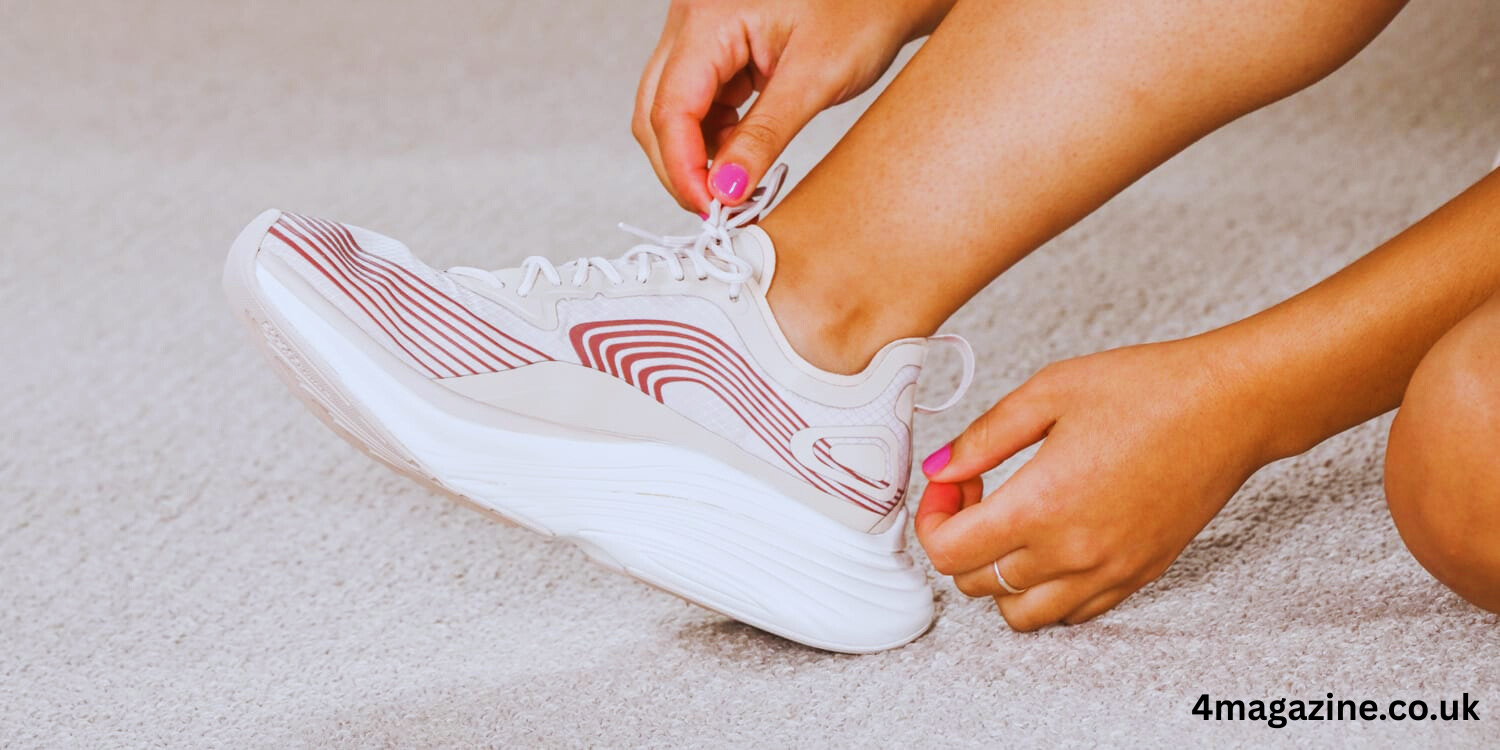
Living with diabetes often involves managing a range of complications, and neuropathy is among the most challenging. Diabetic neuropathy can cause numbness, tingling, burning sensations, or pain in the feet, making everyday walking uncomfortable and sometimes risky. Choosing the right footwear is not merely a matter of comfort; it is a crucial step in protecting foot health, preventing injuries, and maintaining mobility. This article provides an in-depth, evidence-based discussion on the best shoes for diabetics with neuropathy, focusing on features, benefits, and considerations that support long-term foot care and quality of life.
Understanding Diabetic Neuropathy and Foot Health
Diabetic neuropathy results from prolonged high blood sugar levels that damage nerves, particularly in the lower extremities. Reduced sensation in the feet can make it difficult to notice minor injuries, pressure points, or ill-fitting shoes. Over time, these unnoticed issues may develop into ulcers, infections, or more serious complications. Proper footwear acts as a protective barrier, minimizing friction, reducing pressure, and supporting natural foot alignment.
Why Footwear Matters for Neuropathy
Footwear plays a central role in distributing body weight evenly across the foot. For individuals with neuropathy, shoes that lack support or cushioning can worsen pain or contribute to skin breakdown. By contrast, well-designed diabetic shoes help absorb shock, accommodate foot deformities, and reduce the risk of pressure-related injuries. Selecting the best shoes for diabetics with neuropathy is therefore a preventive healthcare decision rather than a simple lifestyle choice.
Key Features to Look for in Diabetic Shoes
Not all shoes marketed for comfort meet the medical needs of people with neuropathy. Understanding essential features helps ensure that footwear genuinely supports foot health.
Proper Fit and Extra Depth
A precise fit is critical. Shoes should provide enough room in the toe box to prevent crowding, which can cause blisters or calluses. Extra-depth shoes are particularly beneficial, as they allow space for custom orthotics or insoles without increasing pressure on the top of the foot. A secure but non-restrictive fit helps stabilize the foot while avoiding friction.
Cushioned and Supportive Insoles
High-quality insoles are a defining element of the best shoes for diabetics with neuropathy. Cushioned insoles reduce impact during walking, while supportive designs help maintain proper foot alignment. Many diabetic shoes include removable insoles, allowing users to replace them with medically prescribed orthotics if needed.
Seamless Interior Construction
Internal seams can rub against sensitive skin, especially when sensation is reduced. Seamless or smooth-lined interiors lower the risk of irritation and skin damage. This feature is particularly important for individuals who may not feel discomfort until an injury has already developed.
Breathable and Flexible Materials
Breathable materials, such as soft leather or advanced mesh fabrics, help regulate moisture and temperature inside the shoe. Excess moisture can increase the risk of fungal infections and skin breakdown. Flexible uppers also adapt to foot movement, reducing pressure points while still providing structure.
Stable Outsoles and Shock Absorption
A stable outsole enhances balance and reduces the risk of falls, which is especially important for individuals with reduced sensation. Shock-absorbing soles help minimize stress on the feet, ankles, and joints, contributing to overall comfort and mobility.
Types of Shoes Suitable for Diabetic Neuropathy
Different lifestyles and activities call for different types of footwear. Understanding available options helps individuals make informed choices without compromising foot health.
Walking and Everyday Shoes
Walking shoes designed for diabetics combine cushioning, stability, and support. They are suitable for daily activities and extended periods of standing or walking. When evaluating everyday footwear, prioritize comfort, fit, and protective features over purely aesthetic considerations.
Athletic and Sports Shoes
For individuals who engage in regular exercise, athletic shoes with diabetic-friendly designs are essential. These shoes typically offer enhanced cushioning, breathable materials, and reinforced support. Proper athletic footwear helps maintain an active lifestyle while reducing the risk of foot injuries.
Dress Shoes and Formal Options
Diabetic-friendly dress shoes are available and designed to balance professional appearance with medical needs. These shoes often include hidden depth, soft linings, and supportive soles. Choosing formal footwear that meets these criteria ensures that foot health is not sacrificed for style.
Slippers and Indoor Footwear
Indoor footwear is often overlooked, yet it is just as important as outdoor shoes. Supportive slippers with non-slip soles protect the feet at home and reduce the risk of accidental injuries. They should offer structure and cushioning rather than being loose or unsupportive.
The Role of Orthotics and Customization
Custom orthotics can significantly enhance the effectiveness of diabetic shoes. They are designed to address specific foot conditions, redistribute pressure, and improve alignment. Many of the best shoes for diabetics with neuropathy are compatible with orthotic inserts, allowing for personalized support. Consulting a podiatrist can help determine whether custom orthotics are appropriate and how they should be integrated into daily footwear.
Common Mistakes to Avoid When Choosing Diabetic Shoes
Despite good intentions, some individuals make choices that inadvertently increase foot risk. Buying shoes that are too tight, prioritizing style over function, or wearing worn-out footwear can undermine foot health. It is also a mistake to assume that one type of shoe suits all activities. Rotating footwear and inspecting shoes regularly for wear helps maintain consistent support and protection.
Maintenance and Daily Foot Care Practices
Even the best shoes for diabetics with neuropathy are most effective when combined with proper foot care. Daily foot inspections help identify early signs of redness, swelling, or injury. Keeping feet clean and moisturized, trimming nails carefully, and wearing clean socks made of moisture-wicking materials all contribute to healthier feet. Shoes should be kept clean and dry, and insoles should be replaced as they lose cushioning.
When to Seek Professional Guidance
Professional guidance is invaluable for individuals managing neuropathy. A podiatrist can assess foot structure, gait, and pressure points, providing recommendations tailored to individual needs. Regular check-ups ensure that footwear continues to meet medical requirements as foot conditions change over time.
Conclusion
Selecting the best shoes for diabetics with neuropathy is a vital component of comprehensive diabetes management. The right footwear protects sensitive feet, reduces pain, and helps prevent serious complications that can affect mobility and overall well-being. By focusing on proper fit, supportive features, quality materials, and professional guidance, individuals with neuropathy can make informed choices that support both comfort and long-term health. Thoughtful investment in appropriate shoes is not only a practical decision but also a proactive step toward preserving independence and quality of life.
