

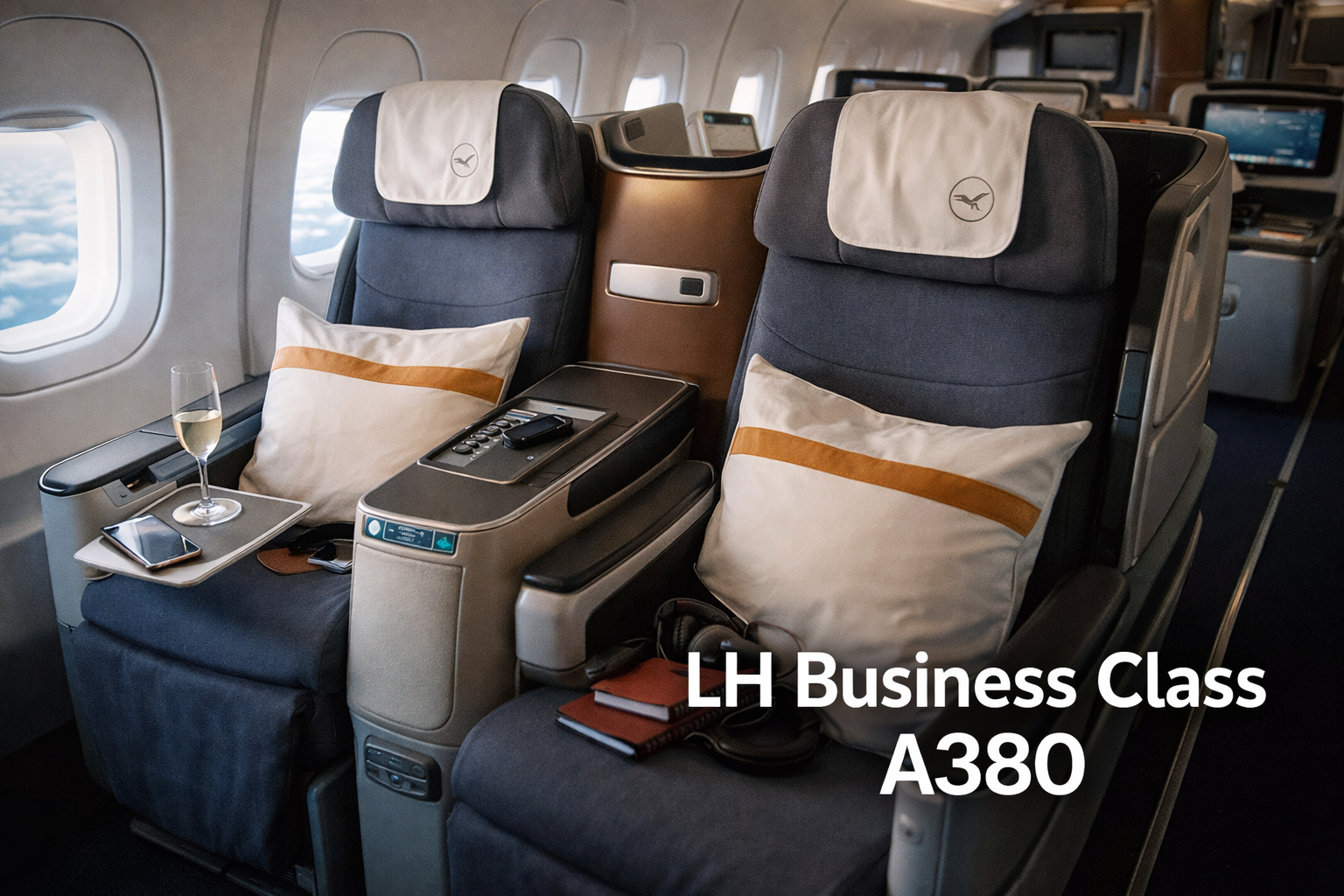
Flying long haul is no longer just about getting from one continent to another. For many travelers, especially frequent flyers and premium leisure passengers, the aircraft and cabin matter almost as much as the destination. One product that continues to spark interest and debate is lh business class a380, Lufthansa’s business class offering aboard the world’s largest passenger aircraft.
With airline cabins evolving rapidly and passenger expectations rising, many travelers are asking a simple but important question: does Lufthansa’s A380 business class still deliver a premium experience, or has it fallen behind newer competitors?
The A380’s Unique Appeal in a Changing Aviation Landscape
The Airbus A380 is increasingly rare. Several airlines have retired it, while others operate only limited routes. Lufthansa, however, continues to deploy the aircraft on select high-demand intercontinental routes, particularly between Europe and North America.
For travelers, the A380 offers inherent advantages. The aircraft is noticeably quieter, smoother in turbulence, and more spacious than most twin-engine widebodies. Even before considering seat design or service, the physical comfort of the plane itself plays a role in shaping the experience.
That said, an aircraft alone does not define comfort. Cabin layout, privacy, and functionality matter far more on flights that last ten hours or longer.
Understanding Lufthansa’s Business Class Configuration on the A380
Lufthansa’s business class on the A380 is arranged in a staggered 2-2-2 configuration across two sections on the main deck. While this layout allows direct aisle access for many passengers, not every seat offers it without stepping over a neighbor.
This is one of the most frequently mentioned concerns among travelers. In an era where many airlines have moved to all-aisle-access designs, the lack of universal access can feel dated, particularly for solo travelers who value privacy.
At the same time, the seats themselves are wide, well-padded, and convert into fully flat beds. For couples traveling together, the paired middle seats are often considered a positive rather than a drawback.
Seat Comfort vs. Seat Privacy: A Real Trade-Off
When evaluating lh business class a380, comfort and privacy emerge as competing themes.
The seat offers generous legroom, ample shoulder space, and solid lumbar support. Sleeping comfort is generally rated highly, especially compared to narrower, more enclosed designs found on some newer aircraft.
Privacy, however, is less consistent. Window seats provide better isolation, while aisle seats feel more exposed. Lufthansa has added privacy screens between some seats, but the overall design reflects an earlier generation of business class philosophy, focused more on space than on personal cocooning.
For travelers who prioritize rest over seclusion, this balance may still work well.
Inflight Service: Where Lufthansa Continues to Shine
One area where Lufthansa consistently performs strongly is service reliability. Cabin crews are known for being professional, efficient, and well-trained, with a service style that leans toward calm competence rather than theatrical flair.
Meal service on long-haul A380 routes typically includes multi-course dining, with a mix of European and international options. While not experimental, the food quality is dependable, and presentation remains polished.
Importantly for business travelers, service pacing is generally predictable, allowing passengers to eat, work, and rest without feeling rushed or interrupted.
Entertainment and Connectivity in a Digital Age
In-flight entertainment on the A380 is robust, with large screens and a broad selection of films, series, and music. Lufthansa’s interface is intuitive, though not visually groundbreaking.
Wi-Fi availability has improved significantly in recent years. While speeds may not support heavy video streaming, messaging, email, and light browsing are usually reliable. For professionals who need to stay connected mid-flight, this functionality matters more than flashy features.
Storage and Workspace: Practicality Over Innovation
Another practical aspect of lh business class a380 is storage. Seats include multiple compartments for personal items, laptops, and headphones. The workspace, while not expansive, is stable and suitable for working during cruise.
This design reflects Lufthansa’s traditional focus on function. The cabin may not feel cutting-edge, but it is built to support long periods of seated productivity.
For travelers who work during flights rather than treating them as a purely leisure experience, this reliability remains appealing.
How It Compares to Newer Business Class Products
The aviation industry has changed rapidly. Airlines in Asia and the Middle East have introduced highly private suites, sliding doors, and customized lighting zones. Against that backdrop, Lufthansa’s A380 business class can feel conservative.
However, not all passengers want extreme enclosure. Some find ultra-private seats claustrophobic, especially on ultra-long-haul routes. The open feel of the A380 cabin, combined with its quiet ride, creates a different kind of comfort.
The real question is not whether Lufthansa leads the market, but whether its product still meets the needs of today’s travelers. For many, the answer remains yes, especially on routes where the A380 replaces smaller, more crowded aircraft.
Route Choice Matters More Than Ever
Lufthansa operates the A380 primarily on high-demand routes where premium cabin load factors remain strong. Choosing a flight operated by this aircraft often means better overall cabin stability, fewer vibration-related disturbances, and a calmer boarding experience.
Travelers who actively seek out lh business class a380 often do so for these aircraft-level benefits rather than the seat alone. This highlights an important shift in passenger behavior: comfort is increasingly holistic, not just seat-based.
Sustainability Concerns and Passenger Perception
One growing consideration is environmental impact. The A380 is less fuel-efficient per seat than modern twin-engine aircraft. Lufthansa has addressed this by deploying the plane on routes where high passenger density offsets its environmental footprint.
For environmentally conscious travelers, this can be a point of hesitation. Transparency around fleet strategy and sustainability initiatives now plays a role in how premium products are perceived, even in business class.
Who This Product Is Best For
Lufthansa’s A380 business class is particularly well-suited for certain traveler profiles. Couples appreciate the paired seating. Tall passengers benefit from bed length and foot space. Business travelers value service consistency and a calm cabin atmosphere.
Solo travelers seeking maximum privacy or a boutique experience may prefer newer aircraft types or different airlines. Understanding your own priorities is essential when selecting a long-haul premium product.
Practical Takeaways for Travelers
Before booking, check the aircraft type carefully, as Lufthansa operates multiple long-haul configurations. If you value a quieter ride and spacious cabin feel, the A380 remains a strong option.
Choose window seats if privacy matters, and consider middle seats if traveling with a companion. Manage expectations around cutting-edge design, and focus instead on comfort, reliability, and service quality.
In 2026, lh business class a380 is not about being the most modern product in the sky. It is about delivering a stable, comfortable, and predictable long-haul experience aboard an aircraft that still feels special. For many travelers, that combination continues to be worth choosing.
