

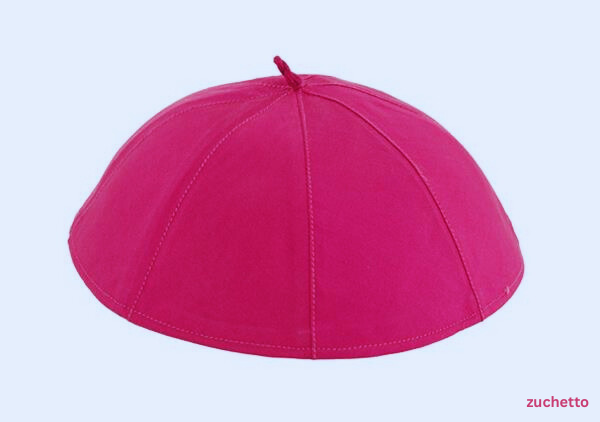
The zuchetto is a small yet deeply symbolic garment that has become one of the most recognizable elements of clerical attire within the Roman Catholic Church. Though modest in size, this skullcap carries centuries of tradition, theological symbolism, and institutional identity. Observers often notice it perched gently atop the heads of bishops, cardinals, and even the pope, yet few understand its origins or the subtle meanings it conveys. Exploring the history and significance of the zuchetto reveals how a simple piece of fabric evolved into a powerful emblem of faith, hierarchy, and continuity within one of the world’s oldest religious institutions.
The Historical Origins of the zuchetto
The origins of the zuchetto can be traced back to early Christian clerical dress, though its precise beginnings remain subject to scholarly debate. Some historians suggest that the skullcap developed from practical head coverings worn in medieval Europe to protect clergy from cold church interiors. Others argue that it evolved from earlier liturgical headgear, gradually simplified over time into the form recognized today.
During the Middle Ages, clerical attire began to formalize as the Church established clearer distinctions between clergy and laity. The zuchetto became a standardized accessory, serving both practical and symbolic functions. Its compact, rounded design allowed it to sit securely beneath larger ceremonial headpieces, such as the mitre, without interfering with elaborate liturgical vestments. Over time, what began as a practical garment acquired profound religious meaning.
Symbolism and Spiritual Meaning
The zuchetto symbolizes humility, devotion, and submission to divine authority. Covering the crown of the head, it represents the clergy’s dedication to God and their acceptance of ecclesiastical responsibility. In many interpretations, the act of wearing the skullcap reflects spiritual obedience and reverence.
The color of the zuchetto holds particular importance within the Church’s hierarchy. Each shade signals rank and role, allowing immediate visual identification during liturgical celebrations. This system of color coding underscores the structured nature of ecclesiastical governance and highlights the garment’s role as a marker of institutional order.
Color and Hierarchy in the Catholic Church
Within the Roman Catholic tradition, the zuchetto varies in color according to clerical rank. Priests typically do not wear it, but bishops don a violet skullcap, symbolizing penance and preparation. Cardinals wear a vivid red version, representing their willingness to shed blood in defense of the faith. The pope’s zuchetto is white, reflecting purity and his unique pastoral authority as Bishop of Rome.
This clear visual differentiation reinforces the hierarchical framework of the Church. During major ceremonies in Vatican City or diocesan cathedrals, the array of colors creates a striking visual tapestry that communicates structure without a single spoken word. The zuchetto thus functions as both garment and language.
The zuchetto in Papal Tradition
The papal zuchetto holds particular cultural fascination. When worn by the pope, it becomes a highly visible symbol of global Catholic leadership. Throughout modern history, popes such as Pope John Paul II and Pope Francis have been frequently photographed wearing the white skullcap during public appearances and international visits.
A well-known custom involves visitors requesting the pope’s zuchetto as a souvenir, offering a new one in exchange. While not an official practice, this lighthearted tradition has contributed to the garment’s cultural visibility. Despite such informal exchanges, the zuchetto remains deeply embedded in the solemn rituals of the Church, especially during liturgical celebrations in Vatican City.
Liturgical Use and Etiquette
The zuchetto is not worn continuously during all parts of a liturgical service. Clergy remove it at specific moments, particularly during the Eucharistic Prayer, as a gesture of reverence. This act underscores the sacredness of the moment and reflects centuries-old ceremonial etiquette.
In formal settings, the skullcap is worn beneath larger headgear. Bishops, for example, place the mitre over the zuchetto during certain rites. This layering demonstrates the garment’s integration into broader liturgical tradition rather than its isolation as a standalone symbol.
Proper etiquette governs its handling as well. The zuchetto is typically placed on a small stand or held respectfully when removed. These gestures, though subtle, reinforce the reverence associated with clerical attire.
Materials and Craftsmanship
Traditionally crafted from silk or fine wool, the zuchetto is carefully tailored to fit the individual wearer. Its design consists of eight triangular panels sewn together, converging at a central point where a small stem or button is attached. This construction ensures both comfort and durability.
Artisans who specialize in ecclesiastical garments often produce zuchettos by hand, maintaining centuries-old techniques. While modern manufacturing methods have introduced efficiency, many clergy still prefer custom-made versions for their superior fit and quality. The garment’s understated elegance reflects the broader aesthetic principles of Catholic vestments, which balance beauty with symbolic depth.
Cultural and Global Influence
Although most closely associated with the Roman Catholic Church, variations of skullcaps appear in other Christian traditions and religious communities. The broader concept of a skullcap as a sign of devotion is not unique to Catholicism, but the specific form and color symbolism of the zuchetto distinguish it within ecclesiastical culture.
Global media coverage of papal events has amplified awareness of the garment. Images broadcast from Saint Peter’s Square during major liturgical celebrations often feature rows of bishops and cardinals, each identifiable by the color of his skullcap. Through these images, the zuchetto has become part of the visual language of global Catholicism.
In academic discussions of religious symbolism, scholars frequently reference the garment as an example of how attire communicates theological and institutional meaning. It demonstrates how clothing can function as both practical attire and encoded symbol.
The zuchetto in Contemporary Context
In modern times, discussions about clerical attire occasionally intersect with broader debates about tradition and reform within the Church. Some observers question whether such garments remain relevant in a rapidly changing world. However, many clergy argue that the zuchetto and similar vestments preserve continuity with centuries of Christian heritage.
For believers, tradition serves as a stabilizing force, connecting present-day worship to historical practice. The skullcap embodies this continuity, reminding both clergy and laity of the Church’s enduring identity. Even as liturgical practices adapt to cultural shifts, certain symbols retain their significance precisely because they link generations of faithful across time.
Moreover, the garment’s simplicity may explain its resilience. Unlike elaborate vestments that appear only during major ceremonies, the zuchetto integrates seamlessly into everyday clerical life. Its understated design allows it to remain relevant without appearing ostentatious.
Frequently Asked Questions About the zuchetto
Why Is It Called a zuchetto?
The term derives from the Italian word “zucca,” meaning gourd or pumpkin, referencing the rounded shape of the skullcap. Over time, the diminutive form “zuchetto” became the standard name for the clerical garment.
Do All Catholic Clergy Wear It?
Not all clergy wear a zuchetto. It is primarily associated with bishops, cardinals, and the pope. Ordinary priests typically do not use it as part of standard attire.
Is It Only Used in the Catholic Church?
While similar skullcaps exist in other traditions, the specific design, color system, and liturgical function of the zuchetto are distinctively Catholic.
Conclusion
The zuchetto may appear modest, yet it encapsulates centuries of religious tradition, hierarchical structure, and spiritual symbolism. From its medieval origins to its modern presence in global media, this small skullcap continues to communicate identity and devotion within the Roman Catholic Church. Its color signifies rank, its placement reflects reverence, and its continued use affirms the Church’s commitment to continuity amid change.
In an era marked by rapid transformation, enduring symbols carry particular weight. The zuchetto stands as a testament to how tradition, when thoughtfully preserved, can maintain relevance across generations. By understanding its history and meaning, observers gain insight into the broader fabric of Catholic life, where even the smallest garment can embody profound significance.
