

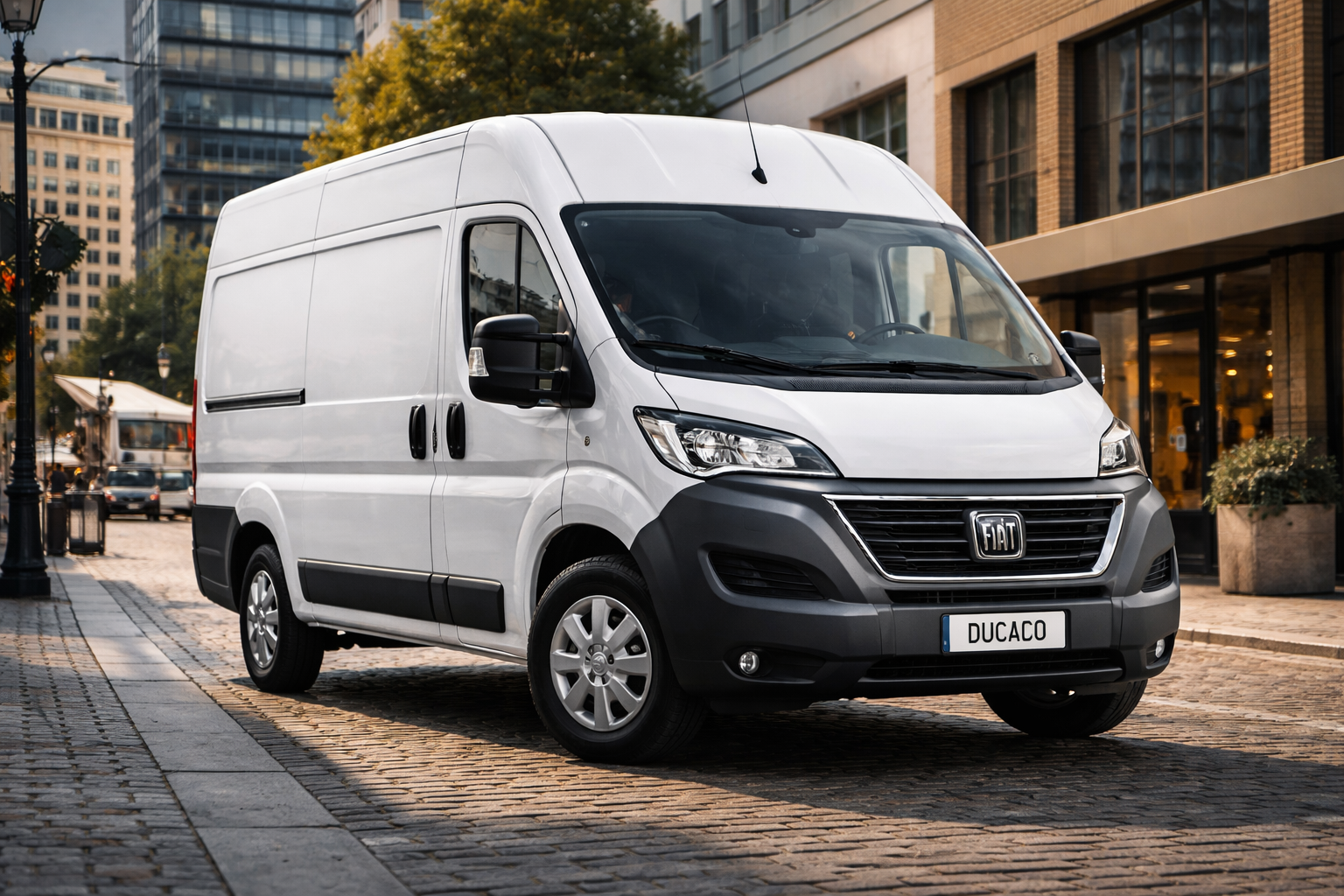
The commercial vehicle market demands reliability, adaptability, and long-term value. Businesses and independent operators seek vans that combine efficiency with durability while offering modern technology and driving comfort. In this competitive landscape, the Fiat Ducató stands as a benchmark in the large van segment. Known for its practical engineering and versatile configurations, it has served as a trusted workhorse for decades across Europe and beyond. This article explores its history, design philosophy, performance capabilities, interior comfort, safety systems, and the reasons behind its enduring popularity.
The Evolution of the Fiat Ducató
The story of the Fiat Ducató began in the early 1980s, when it was introduced by Fiat as a forward-thinking solution for commercial transport. Over successive generations, the model evolved to meet changing regulatory standards, technological advancements, and shifting market expectations. Each redesign introduced improvements in aerodynamics, load capacity, and fuel efficiency while preserving the core principle of functionality.
The model gained particular recognition for its adaptability. It became a preferred platform for cargo transport, passenger shuttles, and recreational vehicle conversions. Many camper manufacturers chose it as a base due to its wide chassis and stable handling characteristics. Through continuous refinement, the van maintained its relevance in a rapidly transforming automotive environment.
Exterior Design and Structural Engineering
Practical Aesthetics with Purpose
The exterior design of the Fiat Ducató reflects a careful balance between visual presence and aerodynamic efficiency. Its front fascia typically features a bold grille, sculpted headlamps, and a sturdy bumper structure designed to withstand daily operational wear. The high roof options and extended wheelbase versions enhance cargo flexibility while maintaining a professional appearance.
Engineers prioritized usability in the structural layout. Wide-opening rear doors and sliding side doors facilitate easy loading and unloading. The square-shaped cargo compartment maximizes usable space, allowing businesses to transport goods efficiently without wasted interior volume. These structural features demonstrate a design philosophy centered on practical performance rather than decorative elements.
Durability for Demanding Conditions
Commercial vehicles often operate in challenging environments, including construction sites and dense urban areas. The Fiat Ducató incorporates reinforced chassis components and corrosion-resistant materials to extend its service life. This durability reduces maintenance costs and increases operational uptime, factors that are critical for fleet managers and independent operators alike.
Engine Performance and Efficiency
Advanced Powertrain Options
One of the defining strengths of the Fiat Ducató lies in its range of engine options. Modern variants commonly feature advanced diesel engines engineered for strong torque output and efficient fuel consumption. High torque at low revolutions allows drivers to carry heavy loads without sacrificing acceleration or control.
The integration of turbocharging technology enhances power delivery while maintaining environmental compliance. These engines are paired with manual or automatic transmissions, providing flexibility depending on driving preferences and route demands. The result is a vehicle capable of handling both city traffic and long-distance highway journeys with confidence.
Fuel Economy and Environmental Considerations
Fuel efficiency plays a central role in commercial vehicle selection. The Fiat Ducató incorporates optimized combustion systems and aerodynamic enhancements to minimize fuel consumption. Additionally, emission control technologies help meet modern environmental regulations, contributing to lower operational costs and reduced ecological impact.
In recent years, the model line expanded to include electric versions, reflecting the global shift toward sustainable mobility. These zero-emission variants offer businesses an opportunity to operate in low-emission urban zones while reducing fuel expenses over time.
Interior Comfort and Technological Integration
Driver-Focused Cabin Design
While commercial vans traditionally prioritized cargo over comfort, the Fiat Ducató integrates ergonomic principles into its cabin design. Adjustable seating positions, intuitive dashboard layouts, and ample storage compartments improve the daily driving experience. Long hours behind the wheel demand supportive seating and clear visibility, both of which are carefully addressed in its design.
The elevated driving position enhances road awareness, while large windshields and well-positioned mirrors provide comprehensive visibility. This configuration improves safety and reduces driver fatigue during extended operations.
Modern Connectivity Features
Technology has become essential even in commercial vehicles. The Fiat Ducató includes infotainment systems with touchscreen displays, smartphone integration, and navigation capabilities. Connectivity features enable drivers to access real-time traffic information and optimize routes for efficiency.
Advanced telematics solutions also support fleet management. Businesses can monitor vehicle location, fuel usage, and maintenance schedules through digital platforms, improving operational oversight and cost control.
Cargo Capacity and Versatility
Configurable Load Space
The versatility of the Fiat Ducató is evident in its numerous body configurations. From compact panel vans to high-roof extended versions, it accommodates diverse logistical needs. The cargo area is designed with straight walls and reinforced flooring to simplify installation of shelving or storage systems.
Payload capacity varies depending on the selected configuration, but the overall design philosophy emphasizes maximizing usable space. Businesses ranging from courier services to construction firms benefit from this adaptability.
Recreational and Specialized Conversions
Beyond commercial logistics, the Fiat Ducató gained a strong presence in the recreational vehicle industry. Its wide rear track and stable handling make it a popular foundation for motorhome conversions. Camper manufacturers value its spacious layout, which allows comfortable living areas without compromising driving stability.
Specialized adaptations include ambulances, mobile workshops, and passenger transport variants. This wide application spectrum demonstrates the model’s flexibility across industries.
Safety and Driver Assistance Systems
Comprehensive Safety Framework
Modern commercial vehicles must integrate advanced safety technologies to protect drivers and cargo. The Fiat Ducató incorporates multiple airbags, anti-lock braking systems, and electronic stability control to maintain safe handling under various conditions.
Reinforced structural elements enhance occupant protection in the event of collisions. These features contribute to improved safety ratings and greater peace of mind for operators.
Intelligent Driver Assistance
Recent iterations include driver assistance systems such as lane departure warning, adaptive cruise control, and blind-spot monitoring. These technologies support safer driving practices and reduce the likelihood of accidents during long-distance travel or heavy urban traffic.
By integrating electronic safety features with mechanical reliability, the Fiat Ducató aligns with contemporary safety expectations while preserving its utilitarian identity.
Market Presence and Global Impact
The Fiat Ducató has established a strong global footprint, particularly in European markets. Its reputation for reliability and affordability has attracted both small businesses and large fleet operators. In many regions, it competes directly with other leading large vans, yet it retains a distinctive identity rooted in Italian engineering expertise.
Its long production history underscores consistent demand and adaptability. The model’s ability to evolve alongside technological progress ensures its continued relevance in a competitive marketplace.
Ownership Experience and Maintenance
Routine maintenance plays a vital role in sustaining commercial vehicle performance. The Fiat Ducató benefits from widespread service networks and accessible spare parts. This availability reduces downtime and supports long-term ownership satisfaction.
Many operators report favorable total cost of ownership due to balanced fuel efficiency, durable components, and manageable maintenance expenses. These practical advantages reinforce its appeal as a dependable investment rather than merely a transportation tool.
Conclusion
The Fiat Ducató represents more than a commercial van; it embodies decades of refinement in practical automotive engineering. From its adaptable cargo configurations to its efficient powertrains and evolving safety technologies, it continues to meet the demands of modern transportation. Its enduring popularity reflects a careful balance between innovation and reliability.
As businesses increasingly prioritize efficiency, sustainability, and operational flexibility, this vehicle remains a compelling option. By combining structural durability, advanced connectivity, and driver-focused design, the Fiat Ducató sustains its reputation as a cornerstone in the large van segment. For companies and individuals seeking a capable and versatile transport solution, it stands as a model that consistently delivers performance, practicality, and long-term value.
