

Finding something meaningful to do in your local area can be surprisingly difficult. Events are often announced across different websites, social media pages, newsletters, posters, and community groups. As a result, people may miss useful activities simply because they do not know where or when they are happening.
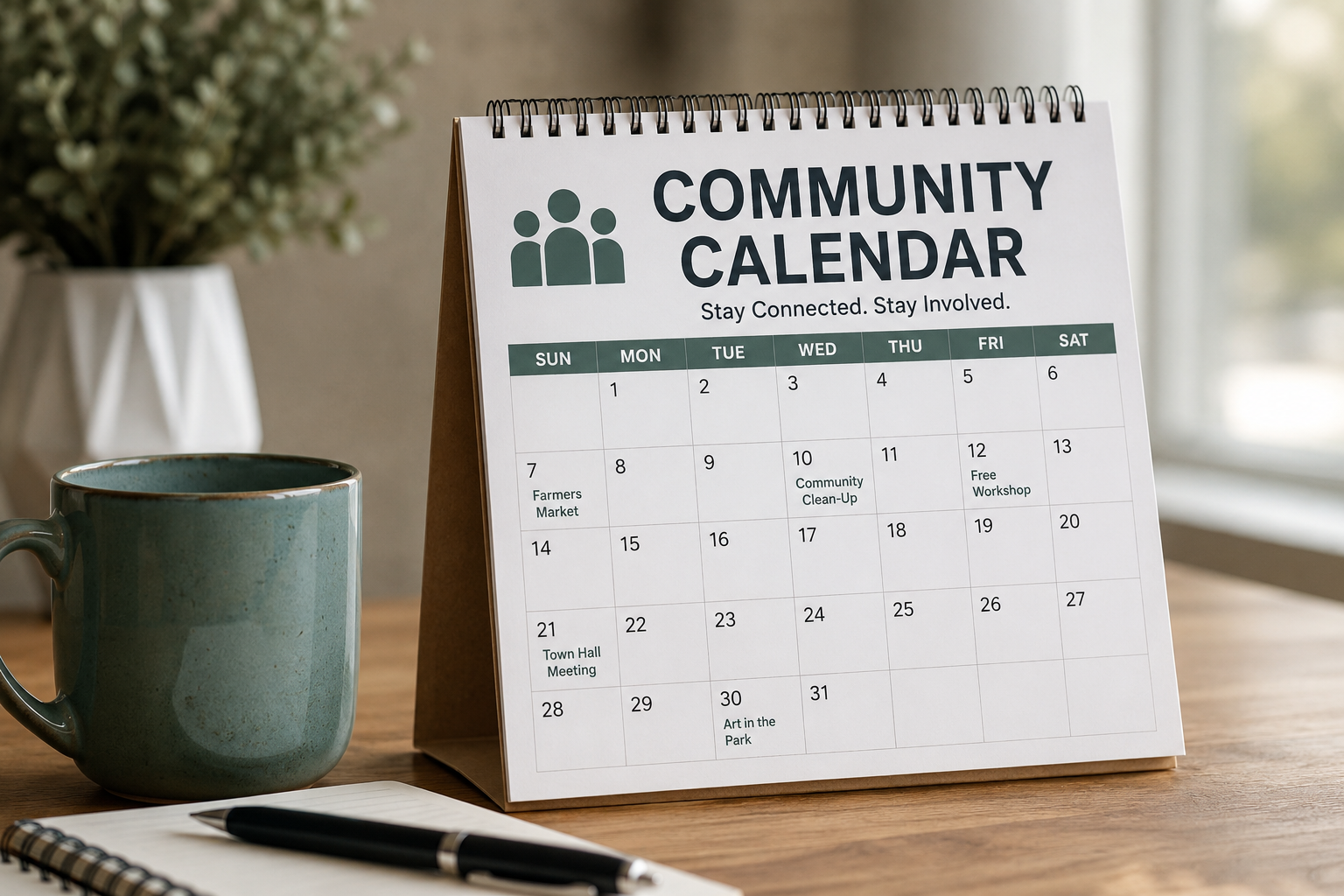
A community calendar brings these scattered opportunities together in one convenient place. It can help residents discover local festivals, public meetings, educational programs, sports activities, workshops, volunteer opportunities, cultural events, and many other gatherings. For organizations, it provides a practical way to inform the public and encourage participation.
Whether you are a resident looking for something interesting to attend or an organization trying to reach a wider audience, understanding how a local events calendar works can make community participation easier and more effective.
What Is a Community Calendar?
A community calendar is a centralized schedule that lists events taking place within a particular community, city, organization, school, neighborhood, or region. It typically provides important details such as the event name, date, time, location, organizer, and a short description.
Some calendars are maintained by local governments or nonprofit organizations, while others belong to newspapers, schools, libraries, community centers, or private websites. Digital calendars may also allow visitors to search by date, category, location, or event type.
The main purpose is simple: connect people with activities and information that matter to their local area.
Why Community Calendars Are Useful
A well-maintained calendar can benefit both individuals and organizations.
Easier Event Discovery
People do not always know which websites or social media accounts to follow for local information. A centralized schedule reduces that problem by putting different types of events in one location.
Instead of searching separately for concerts, workshops, meetings, markets, or recreational activities, visitors can browse one source and compare available options.
Better Community Participation
Events are more likely to attract attendees when people can easily find accurate information about them. A visible calendar can increase awareness of activities that might otherwise receive limited attention.
This is particularly useful for smaller organizations that may not have large advertising budgets.
Support for Local Organizations
Community groups, charities, schools, clubs, and nonprofit organizations can use event listings to reach residents who may be interested in their activities. A calendar can provide additional visibility without requiring extensive promotional campaigns.
Improved Local Awareness
A shared schedule can help residents understand what is happening around them. Public meetings, cultural celebrations, educational sessions, and volunteer activities can all contribute to a stronger connection between people and their communities.
Common Types of Events Listed
The exact content varies from one calendar to another, but many local schedules include a broad range of activities.
Cultural and Entertainment Events
Concerts, theater performances, art exhibitions, film screenings, festivals, and cultural celebrations are common listings. These events can provide opportunities for entertainment while highlighting local artists and traditions.
Educational Programs
Libraries, schools, colleges, museums, and community organizations frequently organize lectures, classes, seminars, reading groups, and workshops. Listing these activities makes educational opportunities easier to discover.
Sports and Recreation
Local sports leagues, fitness sessions, races, hiking groups, recreational programs, and youth activities may also appear. These listings can help residents find activities that support an active lifestyle.
Public Meetings
Town meetings, neighborhood association gatherings, planning discussions, and public forums are another important category. Providing clear dates and locations can make it easier for residents to participate in civic affairs.
Volunteer and Charity Activities
Community service projects, donation drives, fundraising events, and volunteer opportunities can connect people with organizations that need support.
How to Find a Reliable Calendar
Not every online event listing is equally accurate. Dates can change, events can be canceled, and older listings may remain online after an activity has ended.
Start by looking for calendars maintained by established local institutions, such as municipal organizations, libraries, schools, community centers, or recognized nonprofit groups. These sources are generally more useful when they clearly identify organizers and provide current event information.
You can also compare an event listing with the organizer’s official website or social media account. If the details differ, verify the information before making plans.
Pay particular attention to the date, starting time, location, registration requirements, admission cost, and cancellation information.
What Makes a Good Community Calendar?
A useful calendar is not simply a long list of events. Its value depends heavily on the quality and organization of the information.
Accurate Information
Accuracy should be the highest priority. Each listing should contain the correct date, time, location, and organizer information. Changes should be updated as soon as possible.
Clear Categories
Visitors should be able to distinguish between different event types. Categories such as education, entertainment, sports, family activities, public meetings, and volunteering can make browsing much easier.
Search and Filtering
Large calendars can become difficult to navigate without search tools. Date filters, categories, locations, and keywords help visitors quickly identify relevant activities.
Mobile-Friendly Design
Many people check event information from their phones while traveling or making last-minute plans. A calendar should therefore work properly on mobile devices, with important information easy to read without excessive scrolling.
Useful Event Details
A listing should answer the basic questions a visitor is likely to have. What is happening? When is it happening? Where is it taking place? Who is organizing it? Does someone need to register?
Providing answers to these questions improves the overall user experience.
How Organizations Can Submit Events
Organizations usually need to provide basic information before an event can be published. Requirements differ between calendar providers, but submissions often include the event title, date, start and end times, location, description, contact information, and registration details.
Some platforms review submissions manually before publishing them. Others allow approved organizations to add events directly.
When submitting an event, organizers should use a clear title and concise description. Avoid unnecessary promotional language and focus on information that helps people decide whether the event is relevant to them.
It is also important to submit events early enough to give potential attendees time to make plans.
How to Use a Calendar Effectively
Finding an event is only the first step. Visitors can make better use of local schedules by planning ahead.
Begin by checking upcoming dates rather than waiting until the same day. If the platform offers categories or filters, use them to reduce irrelevant results.
Save events that interest you and verify important details shortly before attending, especially for outdoor activities or events that require registration. Weather, venue availability, or other circumstances can sometimes lead to changes.
For recurring activities, check whether each occurrence has its own listing. A weekly event may occasionally change its schedule or location.
Benefits for Families and Individuals
A local schedule can be especially helpful for families trying to find affordable activities. Libraries, parks, schools, museums, and community groups often provide programs for children, teenagers, adults, and older residents.
Instead of relying entirely on commercial entertainment, residents can discover free or low-cost activities close to home. This can make it easier to spend time with family while becoming more familiar with local organizations.
Individuals can also use calendars to explore new interests. Someone interested in photography, gardening, technology, music, fitness, or crafts may discover workshops and groups that would otherwise be difficult to find.
Benefits for Businesses and Community Groups
Local businesses can also benefit indirectly from active community events. When people attend festivals, markets, workshops, and other gatherings, nearby businesses may experience increased foot traffic.
Community groups can use event listings to build awareness and attract new participants. However, organizations should prioritize useful information rather than excessive advertising. A clear and trustworthy listing is more valuable to readers than a heavily promotional message.
Partnerships between libraries, schools, nonprofits, local organizations, and businesses can also help create a more complete source of local information.
Keeping Event Information Up to Date
Outdated information can quickly reduce trust in a calendar. Administrators should regularly review upcoming listings and remove or archive events that have already occurred.
Organizers should report cancellations, venue changes, schedule adjustments, and registration updates promptly. When possible, the calendar should display a visible update date or link to the official event source.
Users should also be cautious when relying on older listings. If an event is particularly important, confirming the details through the organizer is a sensible final step.
The Role of Digital Calendars Today
Digital platforms have made local information easier to distribute than traditional printed schedules. A single online listing can be accessed from computers, smartphones, and tablets and can potentially reach a much larger audience.
Some platforms also allow users to add events to personal calendars, receive reminders, or share listings with friends. These features can turn a basic event directory into a practical planning tool.
However, technology does not eliminate the need for reliable information. A sophisticated interface cannot compensate for incorrect dates or missing details. Accuracy, organization, and timely updates remain the foundation of a useful calendar.
Conclusion
A community calendar is a simple but valuable resource for connecting people with the activities, organizations, and opportunities around them. From cultural celebrations and educational workshops to public meetings, sports programs, and volunteer projects, a well-organized schedule can make local life easier to explore.
For residents, the biggest advantage is convenience. Instead of searching through numerous sources, they can find relevant events in one place. For organizations, a calendar provides another practical channel for reaching people and encouraging participation.
The best approach is to use trusted sources, check event details carefully, and confirm important information when necessary. When communities keep their calendars accurate, accessible, and up to date, they create a stronger connection between local organizations and the people they serve.
