

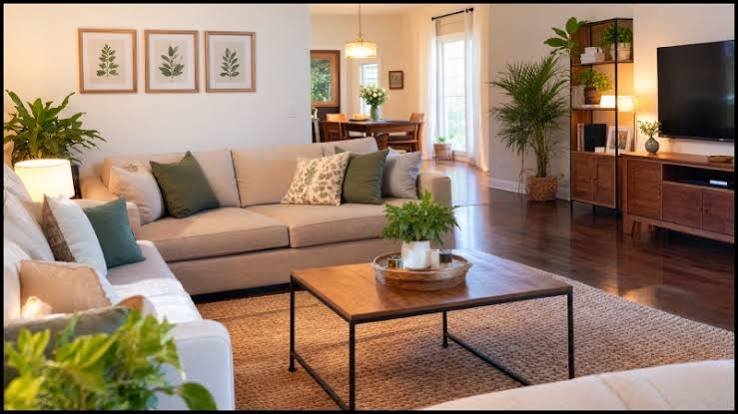
Creating a beautiful home does not always require expensive furniture or professional designers. With thoughtful planning, creative details, and a few practical changes, you can make any space feel more welcoming and stylish. Decoration tips and tricks decoradyard focuses on simple ways to improve your home’s appearance while maintaining comfort, functionality, and your personal style. Whether you are refreshing one room or updating your entire home, small improvements can make a noticeable difference.
1. Choose a Consistent Color Scheme
Color is one of the most important elements of interior decoration. A coordinated palette helps different parts of your home feel connected and organized.
Start with two or three main colors. Neutral shades such as white, beige, and gray provide a flexible foundation, while green, blue, or warmer accent colors can add personality. You can introduce accent colors through cushions, rugs, curtains, artwork, or decorative accessories.
Use Colors According to the Room
Bedrooms often benefit from soft, relaxing shades, while living rooms can accommodate warmer or more expressive colors. In smaller rooms, lighter walls may help the space feel brighter. Always consider natural light before selecting paint colors.
2. Arrange Furniture for Comfort and Space
Furniture placement affects both the appearance and usability of a room. Avoid pushing too many pieces into one area, as overcrowding can make even a large room feel uncomfortable.
Begin with the room’s main purpose. Arrange seating to encourage conversation, keep walkways clear, and leave enough space to open doors and drawers. In a living room, position the sofa and chairs around a natural focal point, such as a window, fireplace, or television.
For smaller homes, choose multifunctional furniture. Storage benches, folding tables, and beds with drawers can help reduce clutter without sacrificing useful space.
3. Improve Your Lighting
Good lighting can transform the atmosphere of a home. Instead of depending on a single ceiling light, combine different lighting sources to create a more balanced environment.
Use general lighting to illuminate the room, task lighting for reading or working, and accent lighting to highlight artwork or decorative features. Table lamps and floor lamps can add warmth to corners that otherwise feel dark.
Whenever possible, make use of natural daylight by keeping windows clean and avoiding heavy curtains that block sunlight. Choose bulbs with a color temperature suited to the room’s purpose and desired atmosphere.
4. Add Plants and Natural Materials
Indoor plants can bring color, texture, and a natural feeling to your home. Choose varieties that suit your available light and maintenance routine. Place smaller plants on shelves or tables and larger ones in empty corners where they will not obstruct movement.
Natural materials such as wood, cotton, linen, and woven baskets can also make a room feel inviting. Combine different textures carefully to create visual interest without making the space look busy.
If you prefer low-maintenance decoration, quality artificial plants and natural-looking decorative pieces can offer an alternative.
5. Decorate Walls With Personality
Empty walls provide an opportunity to express your style. Artwork, framed photographs, mirrors, and decorative shelves can add character without requiring major renovations.
Create a gallery wall by grouping frames of different sizes around a consistent theme or color palette. Before hanging anything, arrange the frames on the floor to test the layout.
Mirrors can help reflect light and create a greater sense of openness. Position them thoughtfully so they reflect attractive features rather than cluttered areas.
6. Keep Your Home Organized
One of the most practical decoration tips and tricks decoradyard recommends is keeping everyday clutter under control. Even attractive furniture and accessories can lose their appeal when surfaces become crowded.
Use baskets, storage boxes, drawer organizers, and shelves to give frequently used items a designated place. Display a few meaningful decorative objects instead of filling every available surface.
Make tidying part of your regular routine. A clean, organized room allows your chosen colors, furniture, and accessories to stand out.
Frequently Asked Questions
How can I decorate my home on a small budget?
Rearrange existing furniture, refresh cushions, add plants, improve lighting, and create simple wall displays before purchasing expensive items.
How do I make a small room look bigger?
Use light colors, mirrors, multifunctional furniture, and clear walkways. Avoid excessive accessories that make the room feel crowded.
How often should I update my decoration?
There is no fixed schedule. Refresh your space whenever your needs change or when simple seasonal updates can make it feel more comfortable.
Conclusion
Decoration tips and tricks decoradyard shows that creating a beautiful home is about making thoughtful choices rather than spending more money. By coordinating colors, arranging furniture carefully, improving lighting, adding natural details, and maintaining organization, you can create a space that feels comfortable and reflects your personality. Start with one room, make gradual improvements, and enjoy building a home that works for your everyday life.
