

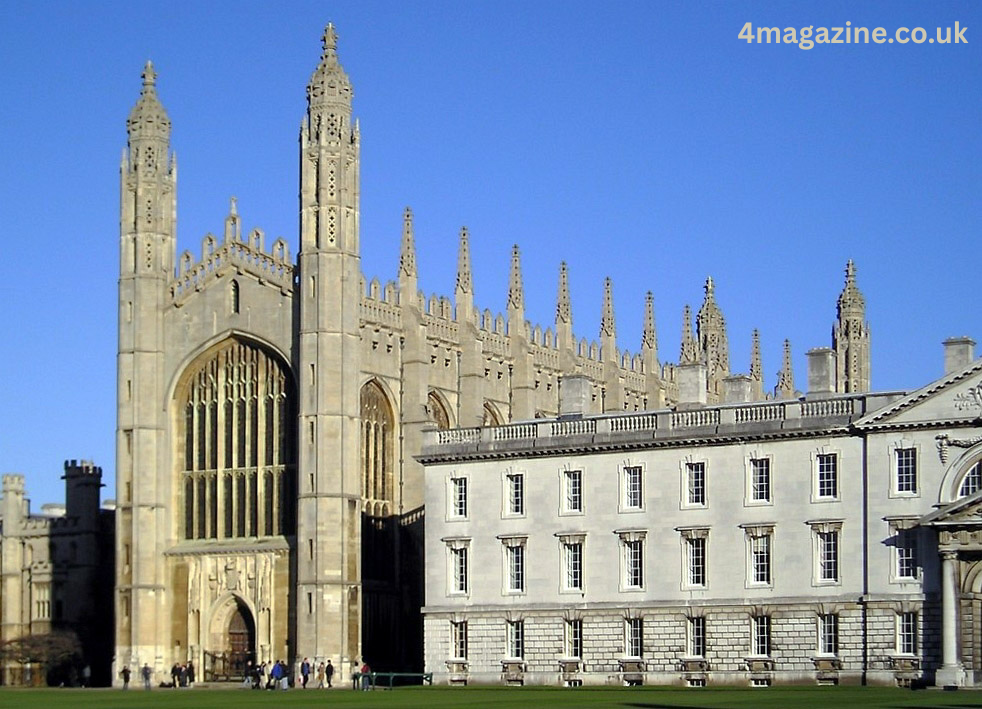
The story of kynges college of our ladye is deeply interwoven with the academic, cultural, and architectural heritage of England. Known today as King’s College, Cambridge, this distinguished institution stands as one of the most recognizable and historically significant colleges within University of Cambridge. Founded in the fifteenth century, it has evolved from a royal vision into a global center of scholarship and research. Its enduring legacy reflects centuries of academic excellence, artistic patronage, and societal contribution.
From its remarkable Gothic chapel to its rigorous academic environment, the institution continues to inspire generations of scholars. Understanding its origins and development provides valuable insight into the broader evolution of higher education in Britain.
Historical Foundations of Kynges College of Our Ladye
The foundation of kynges college of our ladye dates back to 1441, when Henry VI established the college as part of his ambitious educational vision. The monarch aimed to create a seamless academic pathway between Eton College and Cambridge. This connection ensured that students from Eton would continue their studies at the newly founded college, reinforcing a tradition of scholarly continuity.
The original name, reflecting medieval spelling conventions, underscored its religious dedication to the Virgin Mary. During this period, education was closely linked with ecclesiastical authority, and the college’s early curriculum focused heavily on theology, philosophy, and classical studies.
Despite political upheavals during the Wars of the Roses, the institution survived and gradually strengthened its academic reputation. Over the centuries, it adapted to the changing intellectual climate, expanding beyond its original religious framework into a broader academic institution.
Architectural Grandeur and Cultural Identity
King’s College Chapel
No discussion of kynges college of our ladye would be complete without acknowledging its iconic chapel. King’s College Chapel is widely regarded as one of the finest examples of Perpendicular Gothic architecture in the world. Construction began under Henry VI and continued under successive monarchs, including Henry VIII.
The chapel’s soaring fan vault ceiling and expansive stained-glass windows exemplify medieval craftsmanship at its peak. Beyond its architectural beauty, the chapel remains an active place of worship and a prominent cultural venue. Its world-famous Christmas Eve service, broadcast annually, has become an enduring tradition that resonates far beyond Cambridge.
Architectural Evolution
While the chapel dominates the skyline, the broader college grounds showcase architectural developments spanning several centuries. From medieval courtyards to more modern additions, the site reflects evolving design philosophies. The riverside setting along the Cam further enhances its picturesque character, attracting visitors from around the globe.
Academic Excellence and Intellectual Contribution
Kynges college of our ladye has long maintained a reputation for academic rigor. Over time, it expanded its focus beyond theology to encompass sciences, humanities, social sciences, and the arts. Today, as part of the University of Cambridge, it participates in a collegiate system that fosters both independence and collaboration.
Notable Alumni and Scholars
Throughout its history, the college has been associated with influential thinkers, scientists, and public figures. Among its distinguished alumni is John Maynard Keynes, whose ideas reshaped modern economic theory. Another prominent figure is Alan Turing, whose pioneering work laid the foundations for computer science and artificial intelligence.
These individuals exemplify the intellectual vitality nurtured within the college’s walls. Their achievements demonstrate how an institution rooted in medieval tradition can profoundly influence modern thought.
The Collegiate System and Student Life
The collegiate model distinguishes Cambridge from many other universities worldwide. Students at kynges college of our ladye belong both to the college and to the broader university community. This structure creates a close-knit academic environment while providing access to extensive university resources.
Tutorial-style teaching, known locally as “supervisions,” encourages rigorous intellectual engagement. Small group discussions allow students to explore complex topics in depth, guided by leading scholars in their fields. This personalized approach fosters critical thinking and academic independence.
Beyond academics, student life encompasses cultural societies, musical ensembles, and athletic activities. The college choir, in particular, enjoys international acclaim and continues a centuries-old musical tradition rooted in the chapel’s liturgical life.
Adaptation Through the Centuries
The resilience of kynges college of our ladye lies in its capacity to adapt. The Reformation, the Enlightenment, industrialization, and two world wars each brought transformative change. Yet the institution consistently balanced tradition with innovation.
In the twentieth century, the college expanded opportunities for a more diverse student body. Social reforms reshaped admissions policies and broadened access to higher education. Today, it welcomes students from across the world, reflecting the increasingly global character of academic scholarship.
Research initiatives now address contemporary challenges, from climate science to public policy. This forward-looking perspective ensures that the college remains relevant in a rapidly evolving world.
Cultural Influence and Global Reputation
The global standing of kynges college of our ladye extends beyond academia. Its chapel has appeared in films, documentaries, and artistic works, reinforcing its symbolic status. Visitors often associate the image of Cambridge with the chapel’s majestic silhouette.
Moreover, the institution contributes to international academic networks and research collaborations. Faculty members participate in global conferences, publish influential research, and engage in interdisciplinary partnerships. Such activities strengthen the college’s worldwide recognition.
The combination of historical prestige and ongoing innovation enhances its reputation. Prospective students view it not only as a center of learning but also as a gateway to influential professional networks.
Preserving Heritage While Embracing Innovation
Maintaining centuries-old buildings requires careful stewardship. Preservation efforts ensure that architectural treasures remain intact for future generations. At the same time, modern facilities support cutting-edge research and digital learning.
Balancing these priorities demands strategic planning and substantial resources. The college’s leadership continuously evaluates how best to integrate technological advancements while honoring historical identity. This dynamic equilibrium between past and present characterizes the enduring spirit of kynges college of our ladye.
Conclusion
Kynges college of our ladye stands as a testament to the enduring power of educational vision. Founded by a medieval monarch with ambitious aspirations, it has grown into a globally respected institution within the University of Cambridge. Its architectural splendor, exemplified by King’s College Chapel, complements a legacy of intellectual achievement shaped by figures such as John Maynard Keynes and Alan Turing.
Across nearly six centuries, the college has demonstrated remarkable adaptability. It has navigated political upheaval, religious transformation, and societal change while preserving its core commitment to scholarship. Today, it continues to cultivate critical inquiry, creative expression, and academic excellence.
In exploring the history and significance of kynges college of our ladye, one encounters more than a historic college. One discovers a living institution that bridges tradition and innovation, embodying the transformative potential of higher education.
