

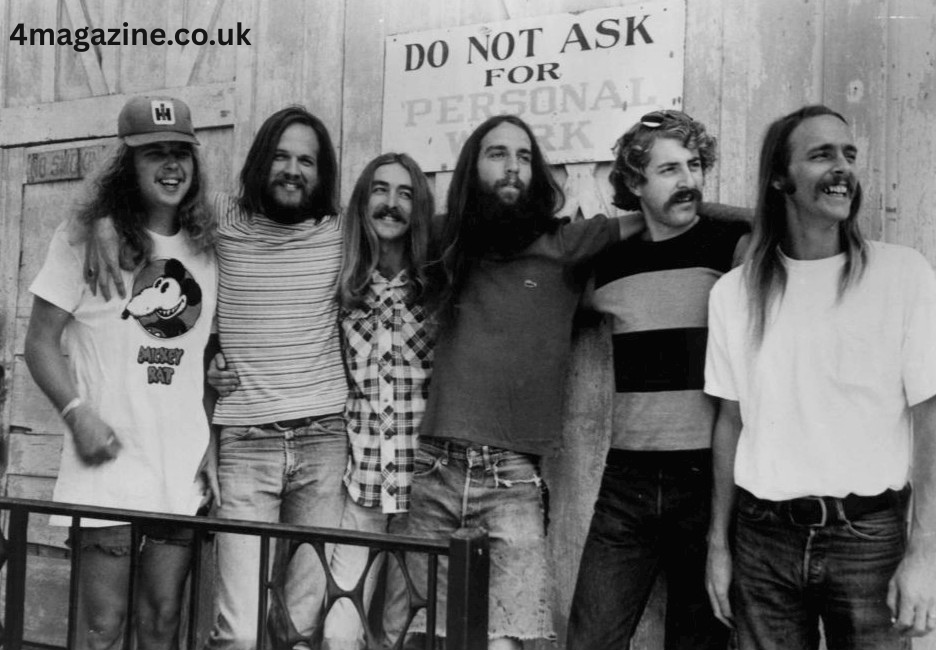
The story of the Ozark Mountain Daredevils is one of regional pride, musical innovation, and enduring influence. Emerging from the heartland of America in the early 1970s, the band carved out a distinctive place in the evolving landscape of country rock and Southern rock. While their harmonies, storytelling lyrics, and eclectic instrumentation won them national recognition, it is the Ozark Mountain Daredevils members themselves who shaped the group’s unique sound and lasting appeal. Their backgrounds, creative chemistry, and commitment to authenticity transformed a local Missouri act into a respected name in American music history.
The Origins of the Ozark Mountain Daredevils
The Ozark Mountain Daredevils formed in Springfield, Missouri, in 1972. At a time when Southern rock was gaining momentum through bands like the Allman Brothers Band and the Lynyrd Skynyrd, this new ensemble brought a Midwestern sensibility to the genre. Instead of relying solely on blues-driven guitar solos and hard-edged rhythms, they incorporated elements of folk, country, bluegrass, and pop.
The original Ozark Mountain Daredevils members came together from different musical backgrounds, united by a shared love for harmony-rich songwriting and adventurous arrangements. Their regional identity was central to their image, drawing inspiration from the natural beauty and cultural traditions of the Ozarks.
Founding Ozark Mountain Daredevils Members
The foundation of the band rested on a group of talented and versatile musicians. The early lineup included:
Steve Cash
Steve Cash was one of the driving creative forces behind the band. As a singer, songwriter, and harmonica player, he contributed significantly to their signature sound. His songwriting often reflected rural themes and personal introspection, which resonated with audiences seeking authenticity in popular music. Cash’s vocals added warmth and emotional depth to many of the group’s best-known tracks.
John Dillon
John Dillon played guitar and contributed as a vocalist and songwriter. His melodic sensibilities helped shape the band’s softer, more reflective songs. Dillon’s ability to blend rock structures with folk-influenced harmonies made him an essential part of the early Ozark Mountain Daredevils members lineup.
Larry Lee
Larry Lee served as a guitarist, multi-instrumentalist, and songwriter. His versatility allowed the band to experiment with different textures and instrumental arrangements. Lee’s creative instincts supported the group’s commitment to musical exploration while maintaining accessibility.
Buddy Brayfield
Keyboardist Buddy Brayfield enriched the band’s sound with layered textures and dynamic arrangements. His work on piano and synthesizers expanded their sonic palette, adding depth to both studio recordings and live performances.
Randle Chowning
Randle Chowning, another guitarist and songwriter, played a crucial role in defining the group’s early direction. His composition “If You Wanna Get to Heaven” became one of their most recognizable hits. Chowning’s writing combined humor, philosophy, and catchy hooks, capturing the essence of the Ozark Mountain Daredevils members’ collaborative spirit.
Michael “Supe” Granda
Michael “Supe” Granda contributed bass, guitar, and vocals. His steady musicianship anchored the band’s complex arrangements. Granda later documented the band’s history in written works, preserving the legacy of the Ozark Mountain Daredevils members for future generations.
Breakthrough Success and National Recognition
The band’s self-titled debut album, released in 1973, introduced them to a wider audience. The single “If You Wanna Get to Heaven” climbed the charts and established their presence in the competitive rock landscape of the 1970s. Their follow-up success with “Jackie Blue” further solidified their reputation.
“Jackie Blue” became a Top 10 hit in 1975, showcasing the band’s ability to blend smooth harmonies with polished production. At a time when mainstream audiences were embracing acts like Eagles, the Ozark Mountain Daredevils members proved that a regional band could compete on a national stage without sacrificing identity.
Musical Style and Artistic Identity
The Ozark Mountain Daredevils members distinguished themselves by refusing to conform strictly to one genre. Their music often combined acoustic instrumentation with electric rock elements. They embraced storytelling traditions rooted in the Ozarks while incorporating contemporary influences.
This hybrid approach allowed them to maintain creative freedom. Their songs often featured intricate vocal harmonies, reflective lyrics, and layered instrumentation. The band’s collaborative songwriting process ensured that multiple voices shaped their creative output.
Evolution of the Lineup
Like many long-running bands, the Ozark Mountain Daredevils members experienced changes over the years. Some founding members departed, while new musicians joined to continue the legacy. Despite these transitions, the group maintained its core identity.
Randle Chowning eventually left the band, though his contributions remained central to their early success. Other members stepped in to fill gaps, ensuring continuity in live performances and recordings. The ability to adapt while honoring their roots became one of the defining characteristics of the Ozark Mountain Daredevils members’ journey.
Live Performances and Touring
The band built a loyal fan base through consistent touring. Their live shows highlighted the musicianship and camaraderie of the Ozark Mountain Daredevils members. Audiences appreciated not only their radio hits but also deeper album cuts that showcased instrumental skill and vocal interplay.
Unlike some contemporaries who relied heavily on spectacle, the band emphasized musical integrity. Their performances fostered a sense of connection between artists and listeners, reinforcing their reputation as authentic performers.
Cultural Impact and Legacy
The Ozark Mountain Daredevils contributed to the broader narrative of American rock music by demonstrating that innovation could flourish outside major coastal cities. Their success inspired other regional artists to pursue national audiences while staying true to local influences.
Although they did not achieve the commercial dominance of some larger acts, the Ozark Mountain Daredevils members earned respect for their artistry and perseverance. Their music continues to resonate with fans who appreciate thoughtful songwriting and organic instrumentation.
In recent years, renewed interest in classic rock has introduced their catalog to younger listeners. Digital streaming platforms have made their recordings accessible to a global audience, ensuring that the work of the Ozark Mountain Daredevils members remains relevant.
Enduring Influence
The band’s willingness to blend genres paved the way for later artists who sought to merge country, rock, and folk traditions. By balancing commercial appeal with artistic exploration, they modeled a sustainable approach to a music career.
Many contemporary musicians cite 1970s country rock as a formative influence, and the Ozark Mountain Daredevils stand firmly within that tradition. Their layered harmonies and narrative songwriting continue to serve as a blueprint for bands seeking authenticity in an era often defined by digital production.
Conclusion
The enduring appeal of the Ozark Mountain Daredevils lies not only in their memorable hits but also in the collective talent and vision of the Ozark Mountain Daredevils members. From the founding lineup in Springfield, Missouri, to the evolving ensemble that carried their music forward, each member contributed to a rich and distinctive sound.
Through thoughtful songwriting, genre-blending experimentation, and unwavering dedication to their roots, the Ozark Mountain Daredevils members secured their place in American music history. Their journey reflects the power of collaboration and regional identity in shaping a lasting artistic legacy. As listeners continue to rediscover their catalog, the band’s influence endures, proving that authentic music grounded in community and creativity can transcend generations.
