

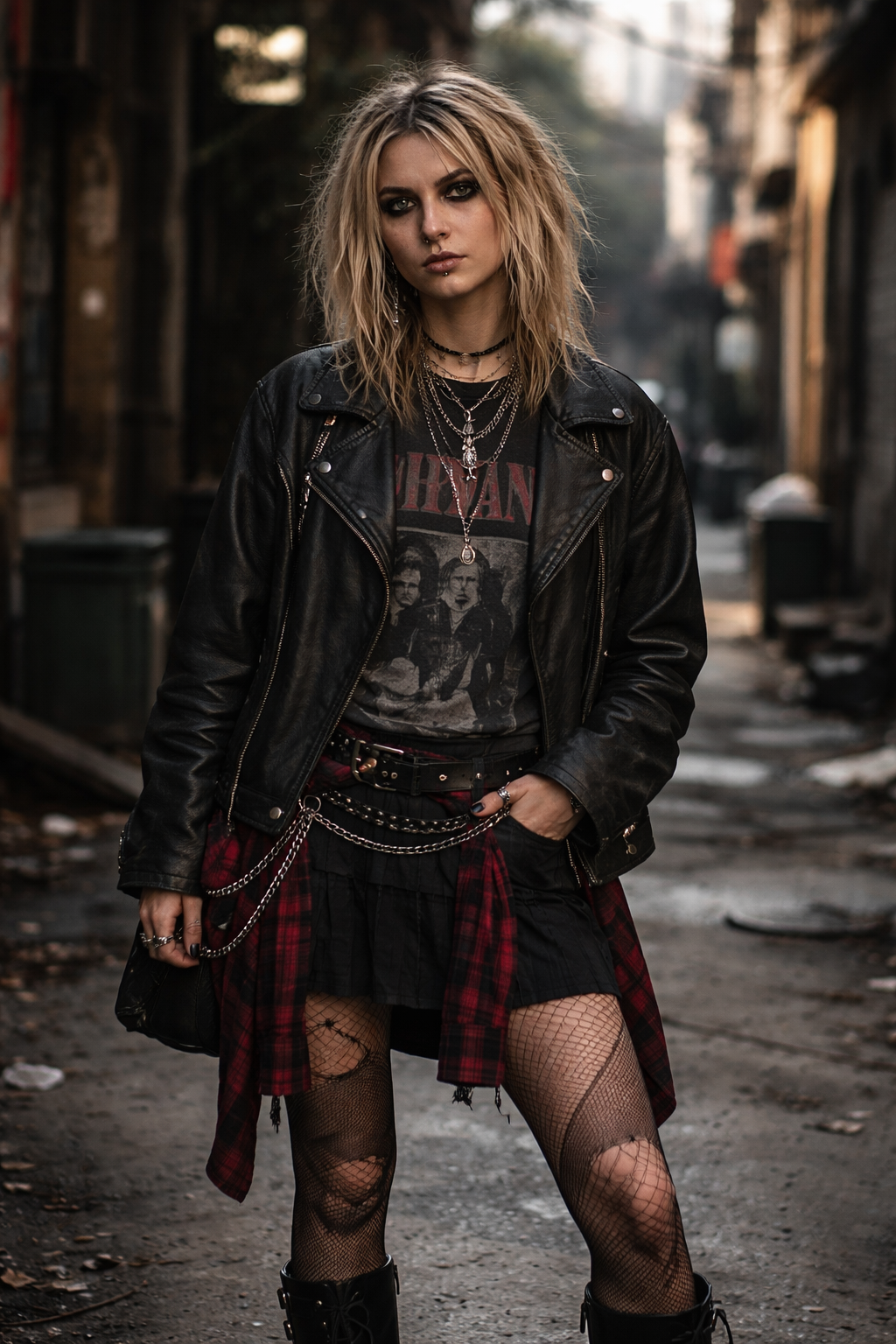
Fashion often reflects the cultural and social dynamics of its time, serving as a visual language that communicates identity, resistance, and creativity. Among the many styles that have shaped modern wardrobes, grunge fashion stands out as a powerful symbol of nonconformity and authenticity. Emerging from the underground music scene of the late twentieth century, this aesthetic challenged conventional norms and redefined what it meant to be fashionable.
Unlike polished and meticulously curated styles, grunge fashion embraces imperfection, individuality, and a deliberately unrefined appearance. Its influence continues to resonate today, inspiring designers, artists, and everyday individuals who seek a more expressive and unconventional approach to clothing. This article explores the origins, defining characteristics, cultural significance, and lasting appeal of this iconic style.
The Origins of Grunge Fashion
Roots in Music and Subculture
Grunge fashion originated in the late 1980s and early 1990s, closely tied to the grunge music movement that emerged in Seattle. Bands associated with this genre rejected the glamor and excess of mainstream rock, favoring raw sound and introspective lyrics. Their aesthetic naturally extended into their clothing choices.
Musicians often wore thrifted or secondhand items, prioritizing comfort and practicality over appearance. Flannel shirts, worn-out jeans, and layered outfits became defining elements. These choices were not initially intended as a fashion statement but rather as a reflection of lifestyle and economic realities.
Anti-Fashion Philosophy
At its core, grunge fashion embodies an anti-fashion philosophy. It resists traditional standards of beauty and rejects the idea that clothing must be polished or expensive to be meaningful. This perspective resonated with a generation disillusioned by consumerism and societal expectations.
The unstructured and effortless nature of the style allowed individuals to express themselves without adhering to rigid norms. This authenticity became a defining feature, setting grunge apart from other trends of the era.
Key Elements of Grunge Fashion
Layering and Texture
Layering is one of the most recognizable aspects of grunge fashion. Outfits often combine multiple pieces, such as oversized sweaters, flannel shirts, and vintage T-shirts. This approach creates a sense of depth and visual interest while maintaining a casual appearance.
Textures also play a significant role. Materials like denim, wool, and cotton contribute to the rugged and worn-in aesthetic. The combination of different fabrics enhances the overall look, emphasizing individuality and comfort.
Neutral and Muted Color Palette
Grunge fashion typically features a subdued color palette. Shades such as black, gray, brown, and deep green dominate the style, often complemented by muted plaids and faded prints.
This restrained use of color reinforces the understated nature of the aesthetic. It allows the focus to remain on the overall composition rather than bold or flashy elements.
Distressed and Vintage Pieces
Worn and distressed clothing is central to the grunge look. Ripped jeans, faded shirts, and scuffed boots contribute to the sense of authenticity. These items often appear as though they have been used for years, adding character and history to the outfit.
Vintage and thrifted pieces are particularly valued, as they align with the style’s rejection of mass-produced fashion. Each item carries a unique story, enhancing the personal nature of the wardrobe.
Footwear and Accessories
Footwear in grunge fashion is typically practical and durable. Combat boots, sneakers, and worn leather shoes are common choices. These options complement the overall aesthetic while providing comfort and functionality.
Accessories are minimal but meaningful. Beanies, simple jewelry, and backpacks often complete the look without overwhelming it. The emphasis remains on subtlety and coherence.
Cultural Significance of Grunge Fashion
A Voice for a Generation
Grunge fashion served as a visual representation of a generation’s mindset. It reflected feelings of disillusionment, introspection, and resistance to societal pressures. By rejecting traditional fashion norms, individuals expressed their desire for authenticity and self-definition.
This cultural impact extended beyond clothing, influencing music, art, and attitudes. The style became a symbol of rebellion, resonating with those who sought to challenge established conventions.
Influence on Mainstream Fashion
Despite its anti-establishment origins, grunge fashion eventually gained recognition within the mainstream fashion industry. Designers began incorporating elements of the style into their collections, bringing it to a wider audience.
This transition highlighted the adaptability of the aesthetic. While it retained its core principles, it also evolved to fit different contexts and interpretations. The fusion of grunge elements with high fashion created new possibilities for creative expression.
Modern Interpretations of Grunge Fashion
Revival and Reinvention
Grunge fashion has experienced multiple revivals over the years, each bringing a fresh perspective. Contemporary interpretations often blend traditional elements with modern influences, resulting in a more refined yet still edgy aesthetic.
Designers and brands reinterpret classic pieces, such as flannel shirts and distressed denim, adding updated cuts and materials. This evolution ensures that the style remains relevant in today’s fashion landscape.
Influence of Social Media
Social media platforms have played a significant role in the resurgence of grunge fashion. Influencers and content creators showcase their interpretations, inspiring a new generation to explore the style.
These platforms also facilitate the exchange of ideas, allowing individuals to experiment with different looks and share their creativity. This digital environment has contributed to the continued popularity and diversification of the aesthetic.
How to Incorporate Grunge Fashion Today
Building a Versatile Wardrobe
Incorporating grunge fashion into a modern wardrobe does not require a complete transformation. Instead, individuals can start with key pieces and gradually build their collection.
Items such as oversized flannel shirts, distressed jeans, and neutral-toned sweaters provide a strong foundation. These pieces can be mixed and matched to create various outfits that reflect personal style.
Balancing Comfort and Style
One of the defining features of grunge fashion is its emphasis on comfort. Loose-fitting clothing and soft fabrics allow for ease of movement while maintaining a distinctive look.
Balancing comfort with style involves selecting pieces that feel natural and authentic. Avoiding overly polished or restrictive items helps preserve the essence of the aesthetic.
Personalizing the Look
Grunge fashion encourages individuality, making it important to adapt the style to personal preferences. This can involve experimenting with different combinations, textures, and accessories.
Adding unique elements, such as vintage finds or handmade items, enhances the originality of the outfit. This personalization ensures that the style remains true to its roots while reflecting individual identity.
Sustainability and Ethical Considerations
Embracing Secondhand Fashion
The emphasis on thrifted and vintage clothing aligns with sustainable practices. By reusing existing garments, individuals reduce waste and minimize their environmental impact.
Grunge fashion naturally supports this approach, encouraging mindful consumption and appreciation for quality over quantity.
Moving Toward Responsible Choices
As awareness of environmental issues grows, many individuals are seeking more responsible fashion options. Incorporating grunge elements into a sustainable wardrobe allows for both style and ethical consideration.
Choosing durable materials, supporting ethical brands, and maintaining clothing properly contribute to a more sustainable approach.
The Enduring Appeal of Grunge Fashion
Authenticity in an Image-Driven World
In a world increasingly influenced by curated images and trends, grunge fashion offers a refreshing alternative. Its emphasis on authenticity and imperfection resonates with those seeking a more genuine form of self-expression.
This enduring appeal lies in its ability to adapt while maintaining its core values. It continues to inspire individuals to embrace their uniqueness and challenge conventional standards.
A Timeless Expression of Rebellion
Grunge fashion remains a powerful symbol of rebellion and creativity. Its influence extends beyond clothing, shaping attitudes and perspectives across generations.
The style’s timeless nature ensures that it will continue to evolve, reflecting the changing dynamics of culture and society.
Conclusion
Grunge fashion represents more than just a style; it embodies a philosophy rooted in authenticity, individuality, and resistance to conformity. From its origins in the underground music scene to its influence on modern fashion, it has maintained a strong and enduring presence.
By embracing simplicity, comfort, and personal expression, grunge fashion offers a meaningful alternative to conventional trends. Its emphasis on sustainability and individuality further enhances its relevance in today’s world.
As fashion continues to evolve, the principles of grunge fashion remain a source of inspiration. They remind us that true style is not defined by perfection or luxury but by the courage to express oneself honestly and unapologetically.
