

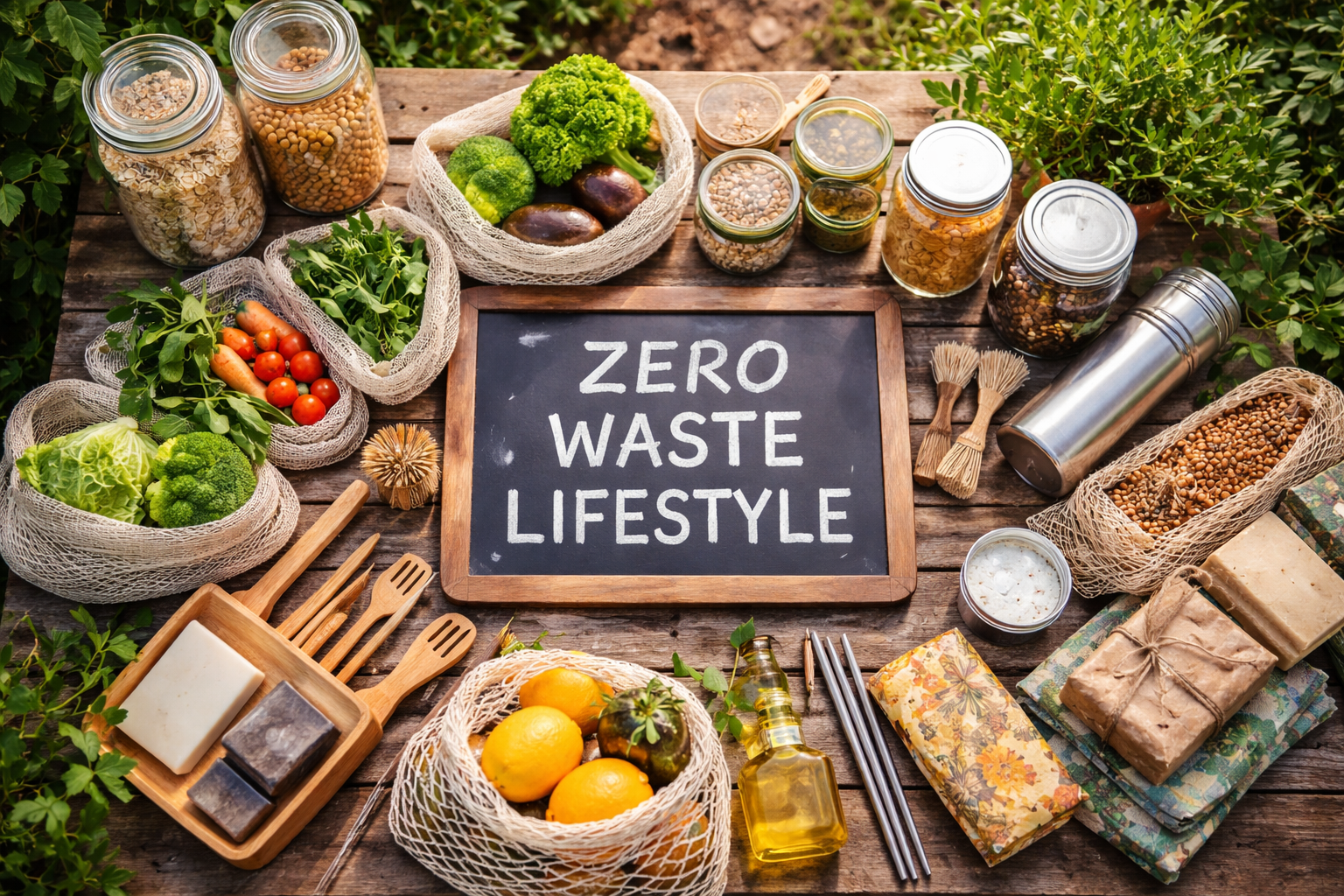
The idea of a zero waste lifestyle has gained attention in recent years as people become more aware of environmental challenges. Waste generation continues to rise across the world, placing pressure on landfills, oceans, and natural ecosystems. Many individuals now seek simple ways to reduce their impact and live more responsibly. A zero waste lifestyle is not about perfection. Instead, it focuses on making conscious choices that limit waste and promote sustainability in daily life.
This approach encourages people to rethink consumption habits and adopt practices that reduce, reuse, and recycle materials effectively. By making small but meaningful changes, anyone can move closer to a lifestyle that produces minimal waste. This article explains the concept, benefits, and practical steps to help you begin your journey toward a zero waste lifestyle.
What is a Zero Waste Lifestyle?
A zero waste lifestyle is a way of living that aims to minimize the amount of waste sent to landfills or incinerators. It involves reducing the use of single-use products, choosing reusable alternatives, and managing resources carefully. The main goal is to keep materials in use for as long as possible and avoid unnecessary waste.
At its core, this lifestyle follows five simple principles: refuse what you do not need, reduce what you use, reuse items as much as possible, recycle what cannot be reused, and rot organic waste through composting. These principles guide individuals toward more sustainable decisions without requiring drastic changes all at once.
Why a Zero Waste Lifestyle Matters
The importance of adopting a zero waste lifestyle lies in its positive impact on the environment. Plastic waste, in particular, poses serious risks to wildlife and ecosystems. By reducing waste, individuals can help decrease pollution and conserve natural resources.
Another benefit is the reduction of carbon emissions. Producing and transporting goods requires energy, which often comes from fossil fuels. When people consume less and reuse more, they indirectly lower the demand for new products, which helps reduce emissions.
A zero waste lifestyle also supports financial savings. Buying fewer disposable items and choosing durable products can reduce long-term expenses. In addition, it promotes mindful consumption, encouraging people to focus on quality rather than quantity.
Getting Started with a Zero Waste Lifestyle
Start with Small Changes
Beginning a zero waste lifestyle does not require a complete overhaul of your daily routine. For example, carrying a reusable water bottle or shopping bag can reduce the need for single-use plastics. These small habits are easy to adopt and can lead to bigger changes over time.
Assess Your Current Waste
Understanding your current waste habits is an important first step. Take time to observe what you throw away each day. This awareness helps identify areas where waste can be reduced. For instance, if you notice a large amount of food waste, you can focus on better meal planning and storage.
Choose Reusable Alternatives
Replacing disposable items with reusable ones is a key part of a zero waste lifestyle. Items such as cloth bags, stainless steel bottles, and glass containers can significantly reduce waste. These alternatives are often more durable and cost-effective in the long run.
Reducing Waste in Daily Life
In the Kitchen
The kitchen is one of the main sources of household waste. Reducing waste here can have a major impact. Buying food in bulk, using reusable containers, and avoiding excessive packaging are effective strategies. Composting food scraps is another useful practice that turns waste into valuable soil.
Planning meals carefully can also prevent food waste. By buying only what you need and using leftovers creatively, you can reduce the amount of food that goes to waste.
In Shopping Habits
Making mindful shopping decisions is essential for a zero waste lifestyle. Before purchasing an item, consider whether it is truly necessary. Choosing products with minimal packaging or eco-friendly materials can help reduce waste.
Supporting local and sustainable brands is another way to make a positive impact. These businesses often prioritize environmentally responsible practices, which align with the goals of a zero waste lifestyle.
In Personal Care
Personal care products often come in plastic packaging, which contributes to waste. Switching to alternatives such as bar soaps, refillable containers, and natural products can reduce environmental impact. Many eco-friendly options are now available, making it easier to adopt sustainable habits.
Challenges of a Zero Waste Lifestyle
While the benefits are clear, adopting a zero waste lifestyle can present challenges. Access to sustainable products may be limited in some areas, and eco-friendly alternatives can sometimes be more expensive. Additionally, changing long-standing habits requires effort and consistency.
It is important to approach this lifestyle with flexibility. Perfection is not the goal. Over time, as awareness grows and demand increases, sustainable options are becoming more accessible and affordable.
Tips for Staying Consistent
Consistency is key when adopting a zero waste lifestyle. Setting realistic goals can help maintain progress. For example, you might start by eliminating single-use plastic bags and gradually expand your efforts.
Another useful strategy is to stay informed and inspired. Learning about environmental issues and solutions can reinforce your commitment. Joining communities or following sustainable living resources can provide motivation and practical ideas.
Tracking your progress can also be encouraging. Keeping a record of reduced waste or saved resources can highlight the positive impact of your actions.
The Role of Community and Awareness
A zero waste lifestyle becomes more effective when supported by a community. Sharing knowledge and encouraging others can create a larger impact. When more people adopt sustainable practices, the demand for eco-friendly products increases, leading to broader change.
Raising awareness about waste reduction is equally important. Education plays a key role in helping people understand the consequences of waste and the benefits of sustainable living. By spreading awareness, individuals can inspire others to take action.
Future of the Zero Waste Movement
The future of the zero waste lifestyle looks promising as more people recognize the importance of sustainability. Governments and organizations are also taking steps to reduce waste through policies and initiatives. Innovations in packaging, recycling, and product design are making it easier to adopt sustainable practices.
However, long-term success requires collective effort. Individuals, businesses, and governments must work together to create a more sustainable world. The zero waste lifestyle is not just a trend but a necessary shift toward responsible living.
Conclusion
A zero waste lifestyle offers a practical and effective way to reduce environmental impact and promote sustainability. By making conscious choices and adopting simple habits, individuals can significantly decrease the amount of waste they produce. This lifestyle encourages mindful consumption, supports environmental protection, and can even lead to financial savings.
While challenges exist, they should not discourage progress. Every small step contributes to a larger goal. The journey toward a zero waste lifestyle is about improvement, not perfection. With commitment and awareness, anyone can make a positive difference and help create a cleaner, healthier future for generations to come.
