

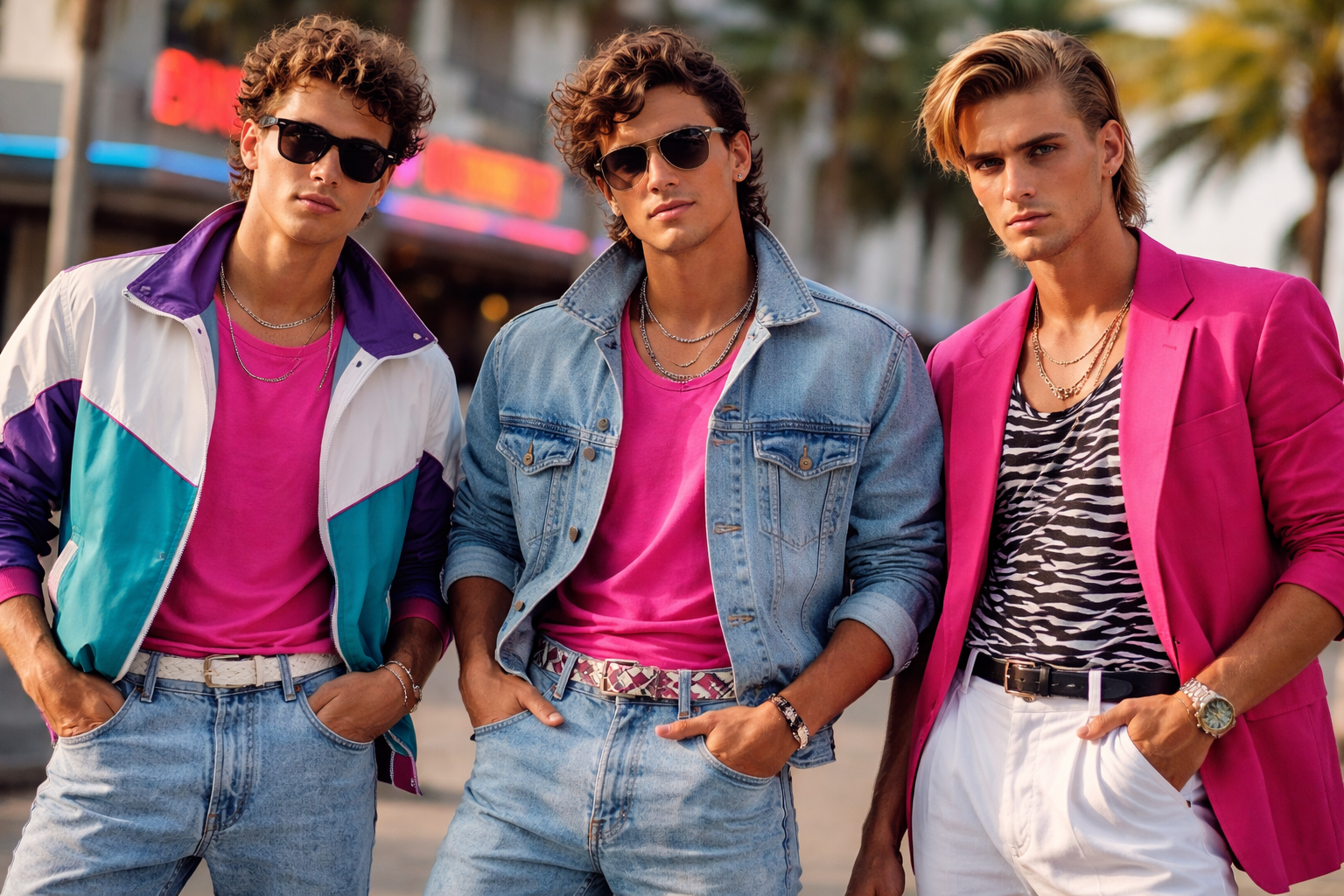
The 1980s represent one of the most dynamic and visually distinctive decades in fashion history. Defined by bold experimentation, vibrant colors, and strong cultural influences, the era introduced a new level of self-expression in men’s style. 80s fashion men became synonymous with confidence, individuality, and a willingness to push boundaries. Unlike previous decades that emphasized subtle elegance, the 1980s celebrated excess, innovation, and personality.
From power dressing in corporate environments to the rebellious aesthetics of street culture, the decade offered a wide spectrum of styles. Music, film, and emerging media platforms played a crucial role in shaping trends, making fashion more accessible and influential than ever before. This article explores the defining elements, cultural impact, and enduring relevance of 80s fashion men, providing a comprehensive look at a decade that continues to inspire modern style.
The Cultural Context of 80s Fashion
Economic Growth and Consumerism
The 1980s were marked by economic expansion in many parts of the world, leading to increased consumer spending. This prosperity encouraged experimentation in fashion, as individuals had more resources to invest in clothing and accessories. Men began to view fashion as a reflection of success and ambition.
80s fashion men emerged as a response to this environment, emphasizing bold choices and high-impact designs. Clothing became a statement of identity, signaling confidence and social status.
Influence of Music and Entertainment
Music and entertainment had a profound impact on fashion during the 1980s. Pop, rock, and hip-hop artists became style icons, influencing how men dressed both on and off the stage. Music videos, which gained popularity during this time, served as a visual platform for showcasing trends.
Television and film also contributed to the spread of fashion ideas. Characters with distinctive styles inspired audiences, reinforcing the connection between media and personal expression.
Key Elements of 80s Fashion Men
Power Dressing and Tailored Suits
One of the most recognizable aspects of 80s fashion men was power dressing. This style emphasized authority and professionalism, particularly in corporate settings. Suits featured broad shoulders, achieved through shoulder pads, and were often paired with wide ties.
The silhouette was strong and structured, conveying confidence and dominance. Dark colors such as navy, black, and charcoal were common, although some men experimented with lighter shades and bold patterns.
Casual Wear and Street Style
While formal attire remained important, casual wear gained significant popularity. Denim jackets, graphic T-shirts, and leather jackets became staples of everyday fashion. These items reflected a more relaxed and rebellious attitude.
Street style played a crucial role in shaping 80s fashion men. Influenced by urban culture, it incorporated elements such as oversized clothing, sneakers, and athletic wear. This blend of comfort and style appealed to younger generations.
Bold Colors and Patterns
The 1980s were known for their vibrant color palette. Bright hues such as neon green, electric blue, and hot pink were widely embraced. Patterns, including geometric designs and abstract prints, added visual interest to outfits.
This bold approach to color and design set 80s fashion men apart from more subdued styles of previous decades. It encouraged individuality and creativity.
Denim and Leather
Denim and leather were essential components of the era’s fashion. Acid-washed jeans, denim jackets, and distressed finishes became लोकप्रिय choices. Leather jackets, often associated with rock culture, added an edgy and rebellious element.
These materials were versatile and durable, making them suitable for both casual and semi-formal settings. Their widespread use contributed to the distinctive look of 80s fashion men.
Accessories and Footwear
Accessories played a significant role in completing the look. Items such as sunglasses, watches, and belts added personality and flair. Footwear ranged from classic loafers to athletic sneakers, reflecting the diversity of styles.
High-top sneakers, in particular, became iconic, especially within hip-hop culture. These shoes combined functionality with bold design, reinforcing the era’s emphasis on individuality.
Subcultures and Style Variations
Preppy Style
The preppy look was characterized by clean, polished clothing inspired by collegiate fashion. Polo shirts, sweaters, and chinos defined this style, offering a more refined alternative to bold trends.
80s fashion men who embraced this aesthetic prioritized neatness and simplicity while maintaining a sense of sophistication.
Punk and New Wave Influence
Punk and new wave subcultures introduced a more rebellious approach to fashion. Ripped clothing, safety pins, and unconventional hairstyles became symbols of defiance.
These styles challenged traditional norms and encouraged experimentation, contributing to the diversity of 80s fashion men.
Hip-Hop Culture
Hip-hop culture had a significant impact on fashion during the 1980s. Oversized clothing, tracksuits, and statement accessories became defining elements of this style.
This influence extended beyond music, shaping mainstream fashion and introducing new trends that continue to resonate اليوم.
Grooming and Personal Expression
Hairstyles and Trends
Hairstyles were an important aspect of 80s fashion men. Popular styles included voluminous hair, mullets, and slicked-back looks. Hair products such as gel and mousse were widely used to achieve these effects.
These hairstyles complemented the bold clothing choices, creating a cohesive and striking appearance.
Emphasis on Individuality
The 1980s encouraged men to embrace individuality in their grooming and fashion choices. Experimentation with colors, textures, and styles was common, reflecting a broader cultural shift نحو self-expression.
This emphasis on personal identity remains a key influence on modern fashion.
Lasting Impact on Modern Fashion
Revival of 80s Trends
Many elements of 80s fashion men have experienced a resurgence in recent years. Designers and brands frequently revisit this era for inspiration, incorporating its bold aesthetics into contemporary collections.
Items such as oversized jackets, vintage sneakers, and graphic prints continue to appear in modern wardrobes, demonstrating the enduring appeal of the decade.
Influence on Streetwear
The streetwear movement owes much to the styles of the 1980s. The emphasis on comfort, individuality, and cultural influence has shaped the development of modern street fashion.
80s fashion men laid the foundation for this movement, blending casual and high-fashion elements in innovative ways.
Incorporating 80s Style Today
Adapting to Modern Preferences
Incorporating elements of 80s fashion men into a contemporary wardrobe requires a balanced approach. Selecting key pieces, such as a statement jacket or bold accessory, allows individuals to capture the essence of the era without overwhelming their look.
Modern interpretations often tone down the intensity of colors and patterns, creating a more refined version of the original style.
Mixing Vintage and Contemporary
Combining vintage items with modern clothing creates a unique and personalized style. This approach allows individuals to experiment with 80s fashion men while maintaining relevance in today’s fashion landscape.
By blending past and present influences, individuals can create outfits that are both nostalgic and innovative.
Conclusion
80s fashion men represent a vibrant and transformative period in the history of style. Defined by bold experimentation, cultural influence, and a celebration of individuality, the decade introduced a new level of creativity in men’s fashion.
From power dressing to streetwear, the diverse styles of the 1980s continue to inspire modern trends. Their lasting impact highlights the importance of self-expression and the willingness to challenge conventional norms.
As fashion continues to evolve, the legacy of 80s fashion men remains a powerful source of inspiration. It serves as a reminder that style is not just about clothing but about confidence, creativity, and the courage to stand out.
