

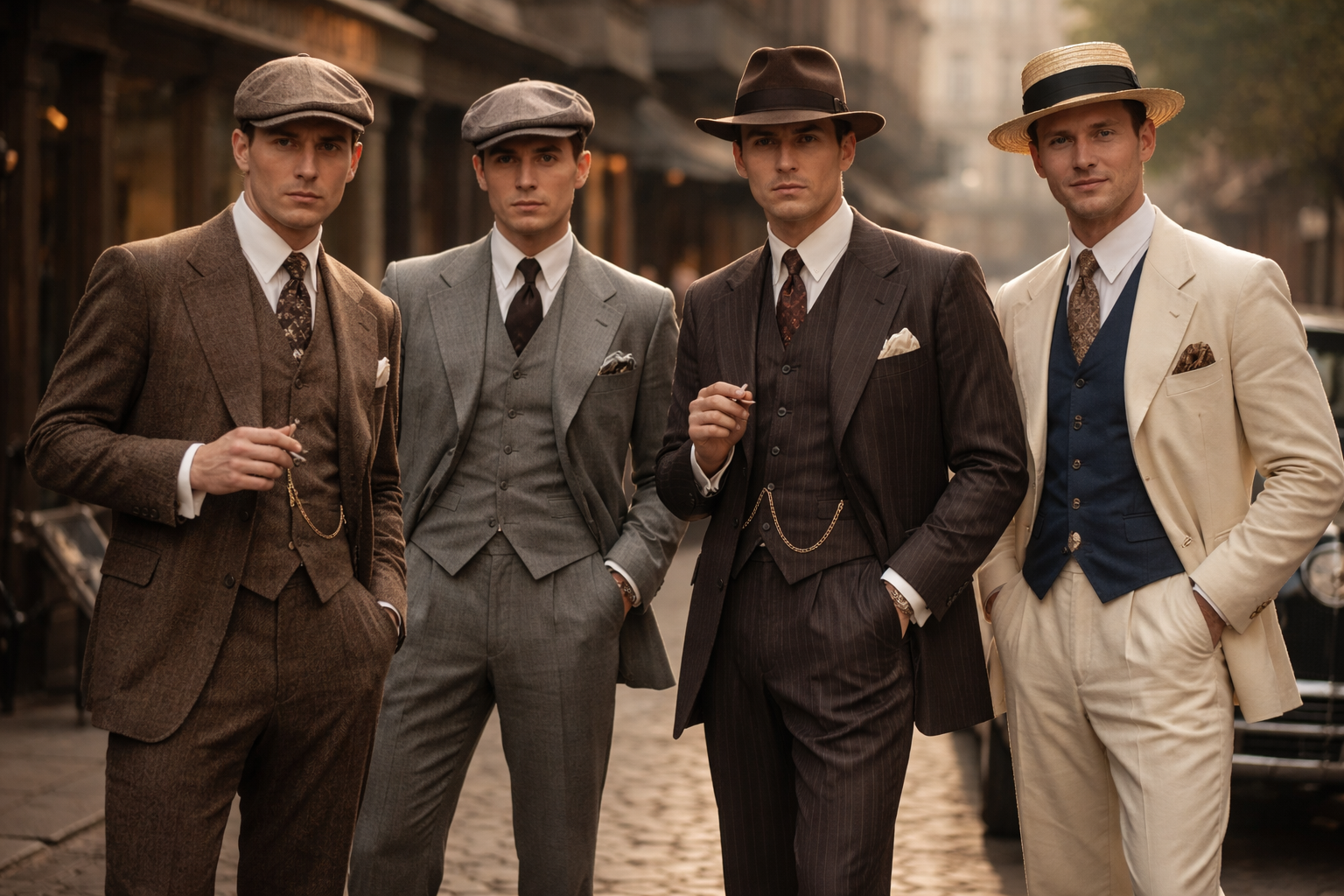
The 1920s marked a transformative period in global history, characterized by cultural dynamism, economic growth, and shifting social norms. Often referred to as the Roaring Twenties, this decade witnessed a redefinition of identity, including how men presented themselves through clothing. 1920s mens fashion emerged as a sophisticated blend of tradition and modernity, reflecting both refinement and a newfound sense of freedom.
As societies moved away from the rigid structures of the past, men embraced styles that were more relaxed yet still polished. Tailoring became more accessible, and fashion began to reflect individuality rather than strict conformity. This article explores the evolution, key elements, and lasting influence of 1920s mens fashion, offering a comprehensive look at how this iconic era continues to shape contemporary style.
The Historical Context Behind the Style
Post-War Transformation
The aftermath of World War I played a crucial role in shaping 1920s mens fashion. The war had disrupted traditional lifestyles, and its conclusion brought a desire for renewal and optimism. Men sought clothing that symbolized progress and modernity while maintaining a sense of dignity.
This shift resulted in garments that were less restrictive than those of previous decades. Comfort became increasingly important, leading to innovations in fabric and design that allowed greater ease of movement.
Economic Growth and Consumer Culture
The economic prosperity of the 1920s contributed to the rise of consumer culture. More men could afford ready-to-wear clothing, reducing reliance on bespoke tailoring. Department stores and catalogs made fashionable attire widely accessible.
As a result, style became an important aspect of social identity. Men paid closer attention to their appearance, using fashion as a means of expressing success and sophistication.
Key Characteristics of 1920s Mens Fashion
Tailored Suits and Silhouettes
Suits were the cornerstone of 1920s mens fashion. Unlike the heavily structured designs of earlier periods, suits in this era featured a more relaxed fit. Jackets were typically single-breasted with narrow lapels, while trousers were straight-legged and often worn high on the waist.
The emphasis on clean lines and balanced proportions created a refined yet approachable look. These suits were suitable for both professional and social settings, making them highly versatile.
Fabrics and Patterns
A wide range of fabrics defined the era, including wool, tweed, and flannel. These materials provided both durability and comfort, aligning with the practical needs of everyday wear.
Patterns played a significant role in adding visual interest. Pinstripes, checks, and herringbone designs were particularly popular, allowing men to experiment with subtle variations in style without compromising elegance.
Shirts and Collars
Shirts in the 1920s were typically made from cotton and featured detachable collars. This design allowed for easy cleaning and customization. Collars were often stiff and came in various styles, including the classic point collar and the rounded club collar.
These details contributed to the overall polished appearance, emphasizing neatness and attention to detail.
Accessories and Finishing Touches
Accessories were essential in completing the look. Items such as ties, pocket squares, and cufflinks added personality and sophistication. Hats were particularly significant, with styles like fedoras and flat caps being widely worn.
Footwear also reflected the era’s emphasis on elegance. Leather shoes, often in oxford or brogue styles, complemented the tailored outfits and reinforced the overall aesthetic.
Casual Wear and Leisure Style
Rise of Sportswear
The 1920s saw the emergence of sportswear as an important aspect of men’s fashion. Activities such as golf, tennis, and driving influenced clothing choices, leading to more relaxed and functional designs.
Knitted sweaters, plus-fours, and casual jackets became popular for leisure activities. These garments allowed men to maintain a sense of style while enjoying greater comfort.
Influence of Outdoor Activities
Outdoor pursuits contributed to the development of practical clothing. Materials and designs were adapted to suit different environments, resulting in versatile pieces that could transition between casual and semi-formal settings.
This blending of functionality and style became a defining feature of 1920s mens fashion, setting the stage for future innovations.
Cultural Influences on 1920s Mens Fashion
The Impact of Hollywood
The film industry played a significant role in popularizing fashion trends. Actors became style icons, influencing how men dressed both on and off the screen.
Their portrayal of elegance and sophistication inspired audiences to adopt similar styles, further spreading the influence of 1920s mens fashion across different regions.
Jazz Age and Urban Culture
The Jazz Age brought a sense of energy and creativity that was reflected in clothing choices. Urban environments became hubs of cultural exchange, where new ideas and styles emerged.
Men embraced fashion as a way to participate in this vibrant culture, experimenting with colors, patterns, and accessories that expressed their individuality.
Grooming and Personal Presentation
Importance of Grooming
Grooming was an integral part of 1920s mens fashion. Hairstyles were typically neat and well-maintained, often achieved with the use of pomade or hair cream. Facial hair was less common, with a preference for clean-shaven looks.
This emphasis on grooming complemented the tailored clothing, creating a cohesive and polished appearance.
Attention to Detail
Attention to detail extended beyond clothing to include overall presentation. Proper fit, coordinated accessories, and well-maintained garments were essential for achieving the desired look.
This meticulous approach reflected the values of the era, where appearance was closely linked to social status and personal discipline.
Lasting Influence on Modern Fashion
Revival of Classic Styles
Many elements of 1920s mens fashion continue to influence contemporary style. Tailored suits, patterned fabrics, and classic accessories remain staples in modern wardrobes.
Designers often revisit this era for inspiration, reinterpreting its aesthetics to suit current trends while preserving its timeless appeal.
Emphasis on Versatility
The versatility introduced in the 1920s has become a defining feature of modern fashion. The ability to transition between formal and casual settings is now a standard expectation, reflecting the lasting impact of this era.
This adaptability ensures that the principles of 1920s mens fashion remain relevant in today’s dynamic lifestyle.
Incorporating 1920s Mens Fashion Today
Building a Modern Wardrobe
Incorporating elements of 1920s mens fashion into a contemporary wardrobe can be both practical and stylish. Key pieces such as tailored suits, patterned ties, and classic footwear provide a strong foundation.
These items can be combined with modern elements to create a balanced and updated look.
Adapting to Contemporary Preferences
While maintaining the essence of the 1920s, it is important to adapt styles to suit current preferences. This may involve choosing lighter fabrics, slimmer fits, or more subdued patterns.
By blending tradition with modern sensibilities, individuals can achieve a look that is both timeless and relevant.
Conclusion
1920s mens fashion represents a pivotal moment in the evolution of style, characterized by elegance, versatility, and a shift toward modernity. Emerging from a period of significant social and economic change, it redefined how men approached clothing and personal presentation.
The era’s emphasis on tailored silhouettes, quality fabrics, and thoughtful accessories continues to influence contemporary fashion. Its legacy lies in its ability to balance tradition with innovation, offering a blueprint for timeless style.
As fashion continues to evolve, the principles of 1920s mens fashion remain a source of inspiration. They remind us that true style is rooted in attention to detail, adaptability, and the confidence to embrace individuality within a framework of enduring elegance.
